 Penyewaan bank daya,Produsen bank daya bersama
Kenya is an important economic hub in East Africa, with widespread mobile payment adoption and a growing tourism industry and urban commercial sector. In 2025, Kenya’s tourism revenue reached approximately KES 500 billion, with around 2.7 million international visitors. These factors create valuable potential market opportunities for Kenya phone charging station businesses.
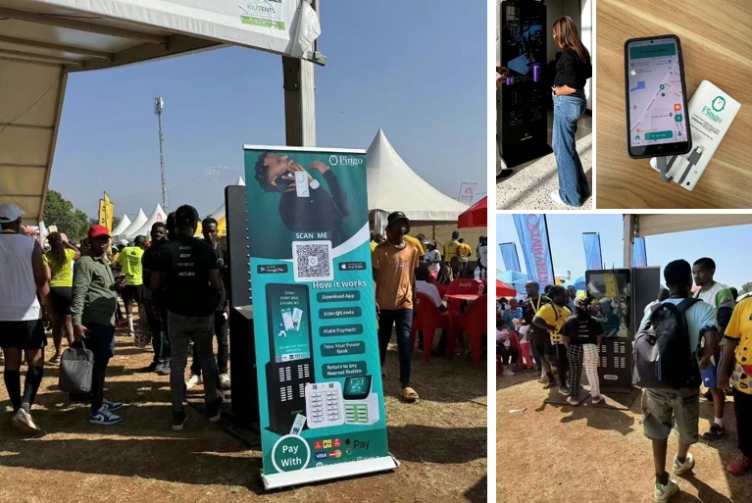
I. Kenya Phone Charging Station Market Analysis
Kenya phone charging station projects can prioritize commercial and tourism locations in cities such as Nairobi and Mombasa. The local mobile payment ecosystem is relatively well developed, with services such as M-Pesa offering a suitable payment option for rental services. The Kenya phone charging station market remains relatively underdeveloped, potentially offering opportunities for early entrants. Local residents and tourists may also benefit from convenient shared charging services.
How to Start a Phone Charging Station Business in Kenya?
Finding a reliable partner is essential for successful project deployment. Businesses should evaluate a phone charging station manufacturer’s qualifications, hardware and software capabilities, production and delivery capacity, market access certifications, and overseas project experience to ensure that the equipment and system meet local operational requirements.
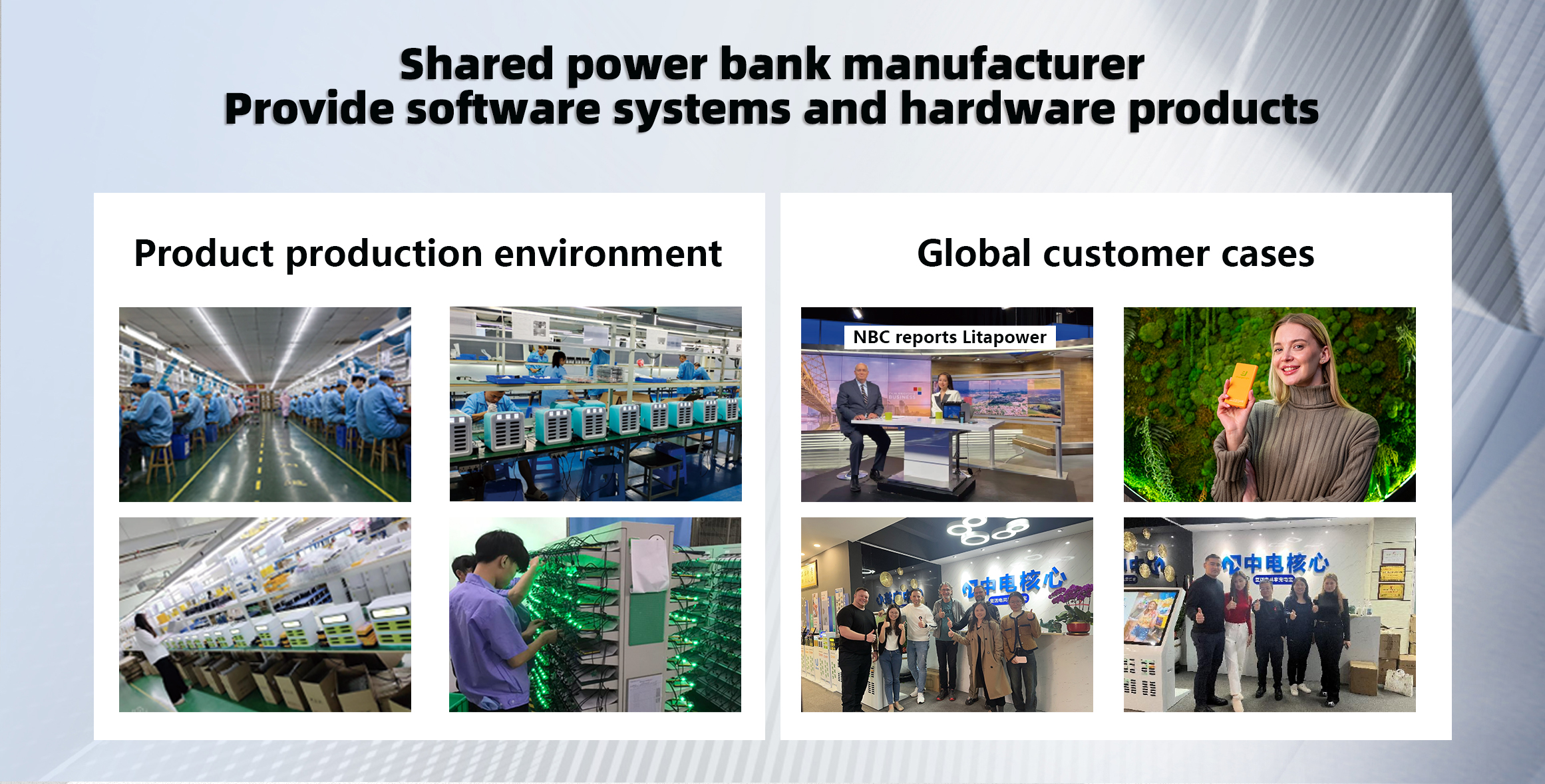
Recommended Phone Charging Station Manufacturer: Zhongdian Hexin offers full-process manufacturing capabilities and independently developed software systems, supporting independent deployment and source code delivery. Its products have reached more than 100 countries and regions, serving over 600 partner brands worldwide. The company provides OEM and private-label customization, as well as integrated phone charging station hardware and software solutions, helping partners build their own brands in Kenya.
Phone Charging Station Deployment: Prioritize locations with high foot traffic and longer customer dwell times. Work with local distributors, venue owners, and operating partners to establish revenue-sharing arrangements and secure quality locations. Suitable locations for Kenya phone charging station deployment include shopping malls, Restoran, hotels, bars, areas around airports, and tourist attractions.
II. Kenya Phone Charging Station Revenue Models

After launching a phone charging station business in Kenya, operators should increase brand awareness through social media videos, influencer collaborations, advertising posters, and joint promotions with local businesses. Rental pricing should reflect local purchasing power and operating costs. Membership promotions, advertising partnerships, and backend data analysis can also help optimize station placement, improve operational efficiency, and stabilize revenue.
Revenue Models
(1) Rental Revenue
Users pay according to the rental duration when borrowing and returning portable chargers. A preliminary pricing range of USD 1–5 per rental can serve as a reference for initial calculations. Actual pricing should be determined according to local purchasing power, operating costs, and competition. Rental fees are an important source of cash flow for Kenya phone charging station projects.
(2) Advertising Revenue
A phone charging station can serve as an offline advertising touchpoint. Operators can generate additional income through advertising on screen-equipped cabinets, station decals, brand sponsorships, and promotional campaigns, creating revenue streams beyond charging rentals.
(3) Business Expansion
A phone charging station network can do more than provide rental services. It can connect users, merchants, payment services, and offline venues. Through merchant discounts, joint marketing campaigns, customer engagement activities, and event partnerships, operators can expand commercial opportunities, increase equipment utilization, and improve overall project profitability.