 租赁移动电源,共享移动电源制造商
Introduction: Why Is Yemen a Unique Market for Shared Power Bank Expansion?
Yemen is a Middle Eastern market with distinctive charging needs but relatively underdeveloped commercial infrastructure. Persistent electricity shortages have made mobile phone charging a practical daily necessity for residents. 然而, its cash-dominated economy, divided payment systems between northern and southern regions, and complex equipment import requirements create operating conditions that differ from those in other Middle Eastern countries.
Yemen is a market worth examining. During the summer of 2025, some areas of Aden experienced power outages lasting up to 20 hours per day, while public grid output fell to just 53 MW, less than 8% of summer electricity demand (Xinhua News Agency, English Edition, 2025). Meanwhile, Yemen’s mobile wallet ONE Cash recorded US$3.3 billion in transaction value in 2025, representing 32% year-on-year growth (Forbes Middle East, 2025), reflecting the continued development of digital payments.
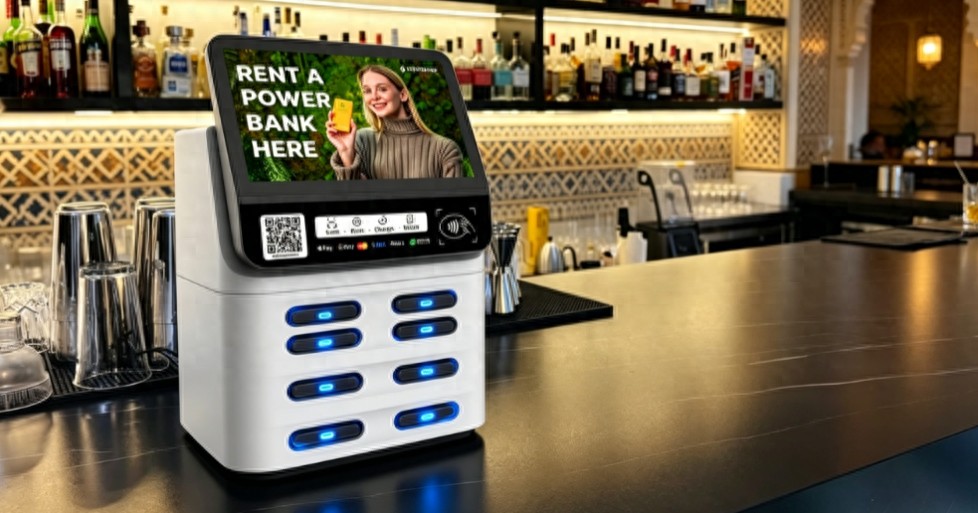
1. Yemen’s Shared Power Bank Market: Two Key Advantages
Yemen has two notable market characteristics that could support shared power bank development.
Advantage 1 | Mobile Charging Demand Driven by Severe Power Outages
During the summer of 2025, some areas of Aden experienced power outages lasting up to 20 hours per day, with public grid output reaching only 53 MW, less than 8% of summer electricity demand (Xinhua News Agency, English Edition, 2025). Residents rely on solar equipment and private generators to access electricity, making everyday phone battery life a practical concern. For shared power bank operators, 机场, 商场, 餐馆, and commercial public spaces offer clear opportunities to meet emergency charging needs.
Advantage 2 | Mobile Wallets Are Building a Foundation for Digital Payments
Yemen’s ONE Cash mobile wallet has 850,000 active users. In 2025, its transaction value reached US$3.3 billion, representing 32% year-on-year growth (Forbes Middle East, 2025). Although cash remains the dominant payment method, mobile wallets have established a growing user and merchant base, providing a potential digital payment gateway for future shared power bank rental services.
2. Market Compliance: YSMO COC and Telecommunications Type Approval Are Essential Requirements
Exporting shared power bank equipment to Yemen requires particular attention to the import conformity requirements of the Yemen Standardization, Metrology and Quality Control Organization (YSMO), as well as type approval for wireless communication equipment.
The YSMO Certificate of Conformity (COC) involves pre-shipment inspection and document verification and is an important requirement for customs clearance of electronic products. Shared power bank stations equipped with wireless communication modules may also require type approval from the relevant telecommunications authority. Without the necessary customs clearance documentation, shipments may face delays or be unable to clear customs.
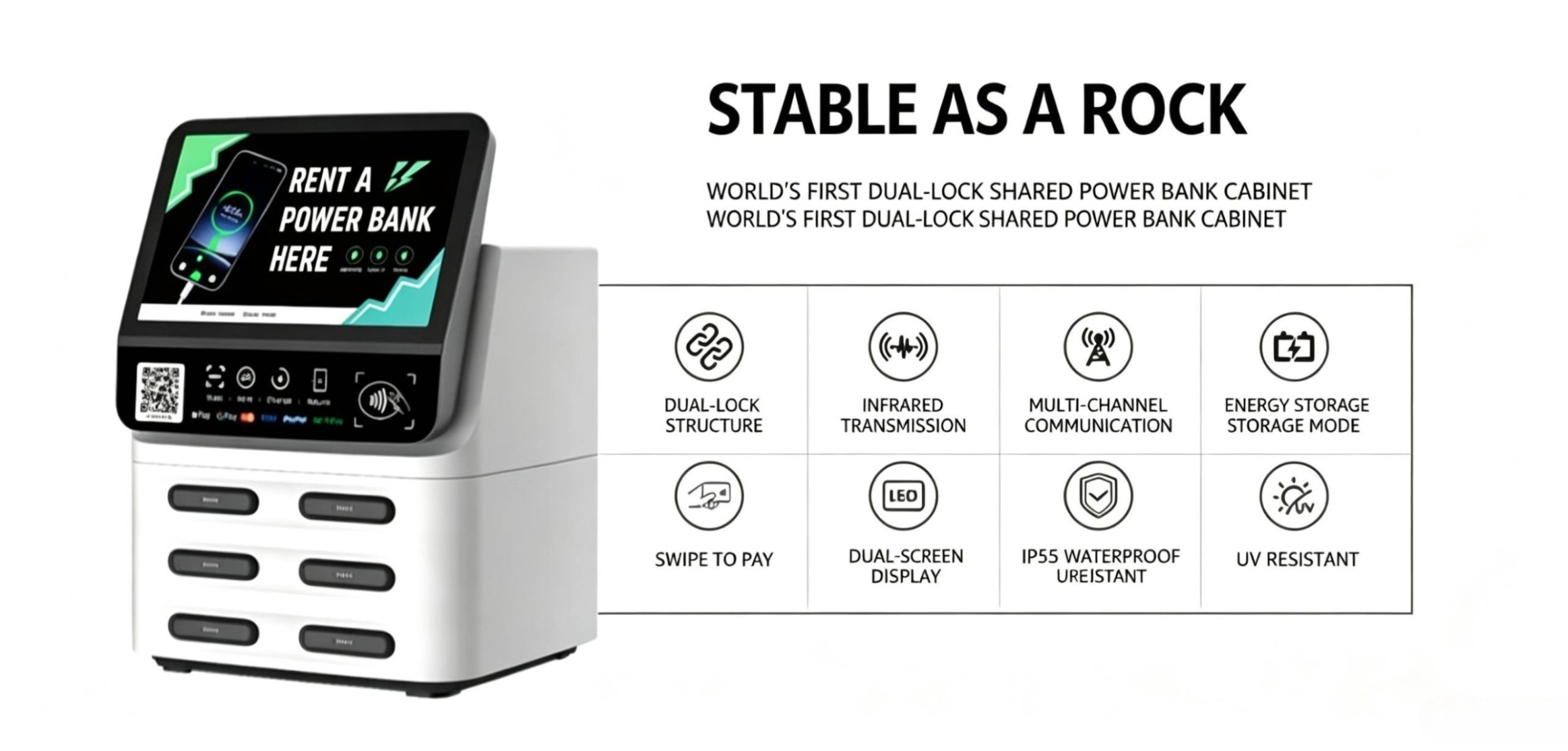
2.3 Zhongdian Hexin Compliance Certifications
Zhongdian Hexin Litapower’s full range of shared power bank stations and portable power banks have obtained market access certifications, including CCC, CE, FCC, and PSE. The batteries comply with the IEC 62133 safety standard for portable lithium batteries. The products also have CB (IECEE) mutual recognition test reports and meet RoHS hazardous substance restriction requirements. UN38.3 transportation test reports are provided with shipments.
3. Payment Ecosystem: Cash Dominates, While Mobile Wallets Offer a Digital Entry Point
Yemen’s payment ecosystem has significant regional differences. Cash remains the primary payment method, while mobile wallets represent an important emerging digital payment channel. Shared power bank projects must account for local cash payment habits, the ONE Cash mobile wallet, and the dual exchange rate systems in northern and southern Yemen. International bank cards should not be treated as the primary payment foundation.
另外, Yemen operates under two different exchange rate systems. In April 2025, the exchange rate in areas controlled by the Aden-based government was approximately 2,411 Yemeni rials per US dollar, compared with approximately 533 rials per US dollar in areas controlled by the Sana’a authorities (World Food Programme, 2025). The existence of different currency circulation and settlement environments within the same country means that project pricing, payment collection, and financial management must be handled separately according to the operating region.
3.2 Litapower’s Payment Integration in Yemen
For projects in Yemen, Zhongdian Hexin Litapower has worked with local operators to complete ONE Cash mobile wallet payment activation and API integration testing. Payment integration on the rental system’s app has also been completed. Customers can independently select their preferred payment service provider, with contracts signed under their own locally registered companies.
4. Key City and Deployment Scenarios in Yemen
Urban deployment in Yemen should prioritize actual commercial activity, security conditions, and public service infrastructure. Aden currently offers more practical conditions for commercial projects, making it suitable for deployment around shopping malls, port areas, and airports. Sana’a, meanwhile, offers opportunities centered on traditional markets, historic districts, and cultural tourism. These two cities provide contrasting opportunities, combining a commercial hub with an ancient cultural center.

4.1 Aden: Shopping and Port Transportation Create Diverse Charging Scenarios
Aden is the internationally recognized seat of Yemen’s government and currently offers more suitable conditions for commercial projects. According to the Saudi Development and Reconstruction Program for Yemen (SDRPY), Aden International Airport handles approximately 300,000 passengers annually (SDRPY, Q1 2025). Shopping malls, port commercial areas, and the airport create clearly identifiable potential deployment locations for shared power bank stations.
(1) Aden Mall + Crater Old Town: Shopping, Leisure, and Historic Commercial Areas
Aden Mall, located in the Crater district, is a representative local shopping complex and one of Yemen’s larger commercial facilities. Its operating hours are 9:00 AM to 11:00 PM, covering daytime shopping, evening dining, and family entertainment.
Crater Old Town is Aden’s historic commercial center, featuring traditional shops, coastal leisure routes, and commercial services. Aden Mall and Crater Old Town can form a complementary deployment combination, covering both indoor shopping consumers and visitors spending time in the surrounding commercial streets.
(2) Tawahi Port Area + Aden International Airport: Port Business and Air Transportation
The Tawahi port area benefits from the commercial and logistics activities of Aden Port, creating opportunities related to business visits, port services, and transportation connections. Employees, business visitors, and travelers in the port area represent potential charging demand beyond traditional shopping mall environments.
Aden International Airport (ADE) is an important international aviation hub in Yemen, handling approximately 300,000 passengers annually (SDRPY, 2025). Operating around the clock, the airport serves travelers who need mobile navigation, 通信, and information access while waiting for flights, arriving, or transferring. These conditions make it a suitable location for shared power bank rental stations.
4.3 Deployment and Operations
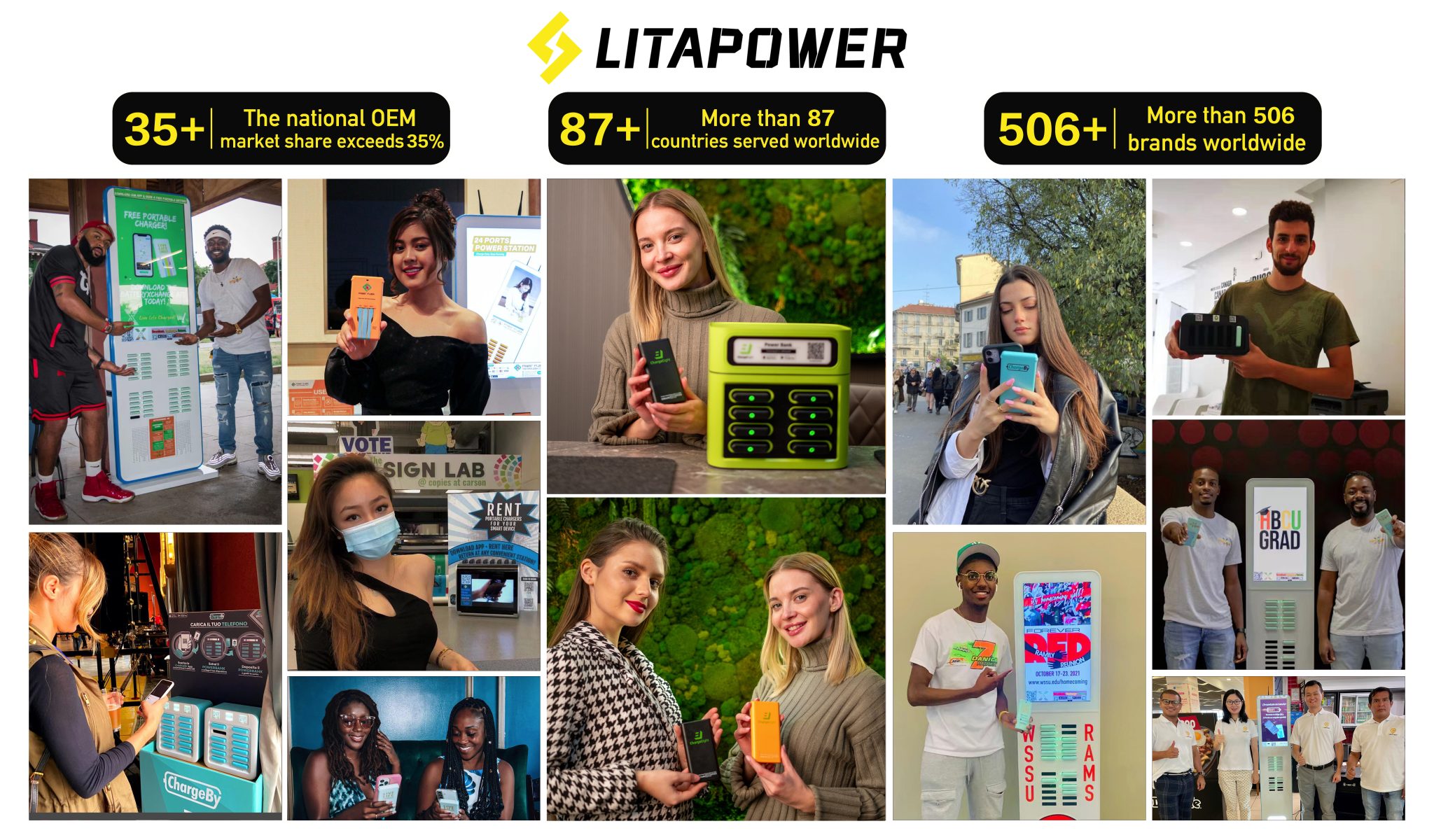
Zhongdian Hexin Litapower provides overseas brands with shared power bank software and hardware solutions, together with OEM private-label customization services.
Based on its Middle Eastern shared power bank project experience, the initial Yemen deployment can start in Aden and Sana’a, using 8-slot stations at shopping malls and locations with strong evening foot traffic. Operational strategies should combine venue management, backend data analysis, and dynamic pricing to improve equipment utilization. The estimated investment payback period is approximately 4–8 months.
5. FAQ
Q1. How Large Is the Shared Power Bank Market in Yemen?
The market opportunity for shared power banks in Yemen is primarily driven by everyday mobile phone charging needs. During the summer of 2025, power outages in Aden lasted up to 20 hours per day, while public grid output reached only 53 MW, less than 8% of summer electricity demand (Xinhua News Agency, English Edition, 2025).
Meanwhile, Aden International Airport handles approximately 300,000 passengers annually (SDRPY, 2025). Shopping malls, port areas, and transportation hubs offer promising usage scenarios. For investors, actual charging demand and the availability of suitable commercial locations in Aden are important factors when evaluating market entry opportunities.
Q2. What Certifications or Registrations Are Required to Deploy Shared Power Banks in Yemen?
Importing shared power banks into Yemen primarily involves the YSMO Certificate of Conformity (COC) and telecommunications type approval. Zhongdian Hexin Litapower products have certifications and test documentation including CE, FCC, CB, IEC 62133, and UN38.3 transportation test reports. Products must still meet all applicable local market access requirements at the destination.
Q3. What Payment Methods Do Local Residents and Tourists Use to Rent Shared Power Banks in Yemen?
Cash remains the primary payment method in Yemen, while the ONE Cash mobile wallet is an important digital payment channel to consider. In 2025, ONE Cash had 850,000 active users and recorded US$3.3 billion in annual transaction value, representing 32% year-on-year growth (Forbes Middle East, 2025).
Q4. How Can Investors Build Their Own Shared Power Bank Brand in Yemen?
Many local entrepreneurs and investors in Yemen leverage Chinese supply chains to develop their own OEM private-label brands. China’s SaaS technology and system development capabilities provide a strong foundation for this model. Investors can import equipment, customize it with their own branding, and operate under a locally established brand.
Zhongdian Hexin Litapower serves shared power bank customers across 162 国家和地区, with more than 800 partner brands worldwide.
Q5. How Long Does It Take to Recover an Investment in Yemen’s Shared Power Bank Market?
Based on Zhongdian Hexin Litapower’s shared power bank project experience in the Middle East, a Yemen project deploying 8-slot stations in Aden and Sana’a has an estimated payback period of approximately 4–8 months. Actual operating performance depends on equipment utilization, venue traffic, rental pricing, and payment methods.
References
Yemen population and digital development data (World Bank, DataReportal, 2025): https://data.worldbank.org/country/yemen-republic
ONE Cash mobile wallet users and transaction value in Yemen (Forbes Middle East, 2025): https://www.forbesmiddleeast.com/lists?p=85996
Yemen YSMO import Certificate of Conformity requirements (Shenzhen Nanfang Huayu Testing, 2026): http://huayutest.com/zixun/77492.html
G-Mark certification requirements for electrical and electronic products in Yemen (Wanve Certification, 2026): https://www.wanve.net/en/certification/electronics/yemen