 租赁移动电源,共享移动电源制造商
The blue ocean market for shared power banks in Latin America is entering a new growth window. Mexico is one of the most promising markets for shared power bank expansion in the region. Supported by coastal resort destinations, ancient Mayan cultural tourism, a large consumer base, and diverse local payment systems, Mexico offers attractive investment opportunities. Currently, shared power bank stations are scattered across only a limited number of major commercial districts, while many smaller tourist cities still have significant gaps in service coverage.
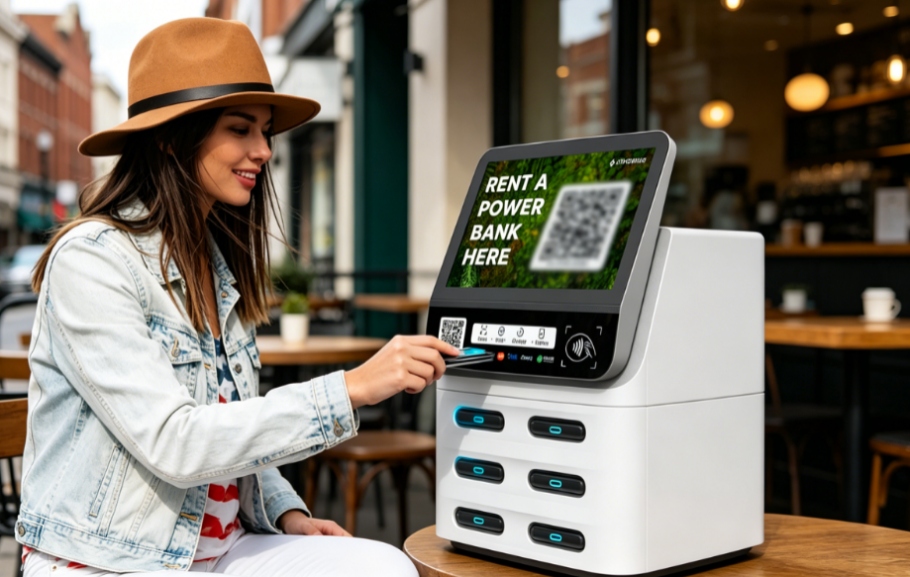
1. Mexico Shared Power Bank Market Analysis and Strategies
Key advantages of Mexico’s shared power bank market:
Advantage 1: Continued growth in international tourism — According to Mexico’s Ministry of Tourism, Mexico welcomed 98.2 million international visitors in 2025, representing year-on-year growth of 13.6%. Spending by international visitors reached approximately US$34.992 billion. During the first nine months of 2026, international visitor arrivals reached 74.94 million, with tourism spending totaling US$26.096 billion (Mexico’s Ministry of Tourism, 2026). While visiting historic districts, coastal attractions, 商场, 餐馆, and entertainment venues, tourists have ongoing needs for mobile navigation, photography, and communication.
Advantage 2: A large mobile internet user base — By the end of 2025, Mexico had approximately 110 million internet users, representing an internet penetration rate of 83.5%. The number of mobile connections reached 145 million, equivalent to 110% of the total population (DataReportal, 2026). Widespread mobile network access and social media usage provide a substantial user base for shared power bank services targeting both local consumers and international tourists.
Advantage 3: Continuously improving electronic payment infrastructure — According to the Bank of Mexico, the country’s interbank electronic payment system, SPEI, processed approximately 7.308 billion transfers in 2025, reflecting continued growth in electronic payment usage. Bank card payment transaction volumes also continued to increase in 2025. Shared power bank services can integrate bank cards, 信用卡, 借记卡, and contactless payment methods to provide consumers with a convenient rental experience.
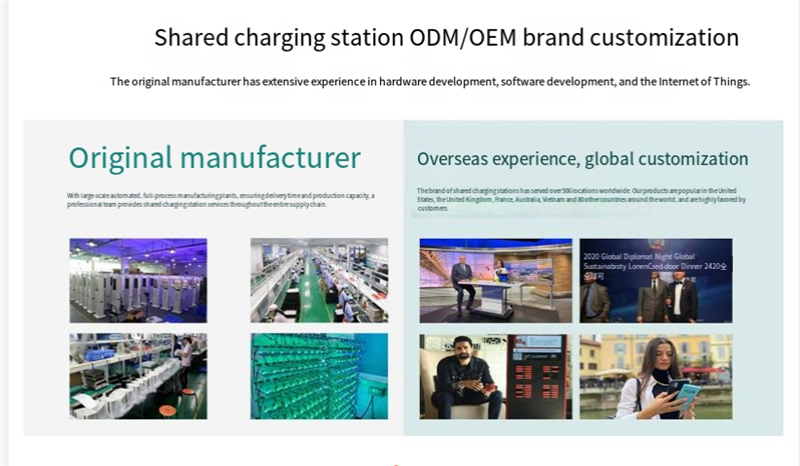
Litapower 公司, a brand under Shenzhen Zhongdian Hexin Technology, provides global partners with one-stop solutions through its established OEM and private-label customization services. These solutions cover shared power bank software, hardware equipment, and operational support. Litapower has already completed payment collection deployment and payment integration for its shared power bank business in Mexico, supporting compliant local operations.
2. Profit Strategies for Mexico’s Shared Power Bank Market
For shared power bank deployment in Mexico, investors can prioritize mid-sized cities that combine tourism consumption with commercial development, such as San Luis Potosí.
According to Mexican airport tourism statistics, international passenger arrivals at San Luis Potosí International Airport increased by 25.9% year on year in 2025, indicating growing demand for air travel in the area. Potential locations include restaurants, cafés, 酒吧, and hotels around Venustiano Carranza Avenue. Operators can identify suitable partnership venues by considering tourist sightseeing, business travel, and local consumer activity.

Profit Models:
(1) Rental Revenue
Adopt hourly or time-based pricing and support bank cards and contactless payments. During the initial launch, operators can offer first-time rental discounts or limited-time free trials to encourage users to try the service. Pricing can then be adjusted dynamically according to venue traffic, local spending levels, and operating costs.
(2) Membership Programs
Introduce monthly memberships, discounts for consecutive rentals, loyalty point rewards, and co-branded promotions with local merchants. These initiatives can increase repeat rentals and help build a stable customer base.
(3) Advertising Revenue
Use station screens, rental pages, and online applications to display advertisements for local restaurants, 酒店, tourism activities, and commercial brands, creating additional revenue streams beyond rental fees.
References
Mexico’s Ministry of Tourism (2026)
International Visitor Arrivals and Tourism Spending Data, January–September 2026
National Institute of Statistics and Geography (INEGI, 2026)
GDP Data for the Fourth Quarter and Full Year of 2025
DataReportal (2026)
Mexico’s Ministry of Infrastructure, Communications and Transportation (2026)