 Penyewaan bank daya,Produsen bank daya bersama
Yemen has a large population of approximately 41.2 million, creating potential demand for phone charging services. Namun, economic pressures, security concerns, and limited digital infrastructure make market entry challenging. DataReportal estimated 7.29 million internet users in Yemen in early 2025, representing 17.7% of the population, while mobile connections reached 22.6 million. A Yemen shared power bank project should begin with a small pilot in suitable commercial areas and expand only after evaluating customer demand, payment access, and operating costs.
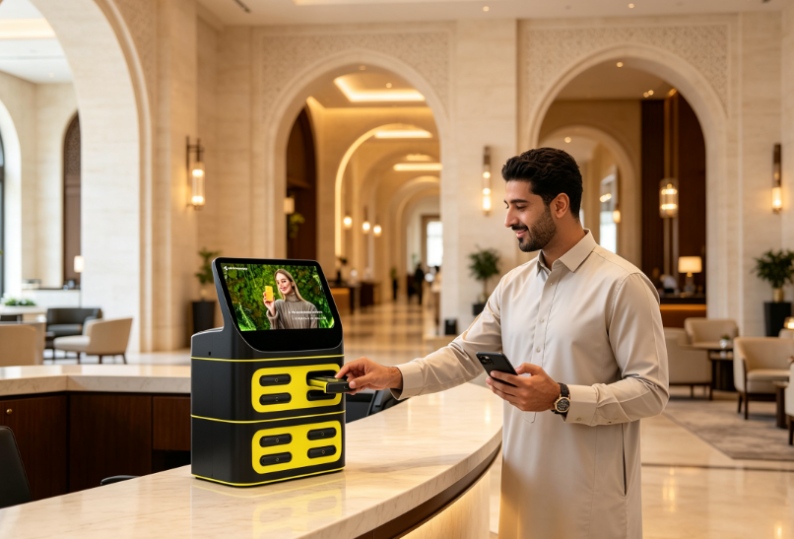
I. Yemen Shared Power Bank Localization Solutions
A successful Yemen shared power bank business needs practical payment options, carefully selected locations, and flexible operations. Because connectivity and payment access vary, operators should confirm local conditions before deploying each shared power bank station.
(1) Payment Integration
A Yemen shared power bank system should assess local bank cards, available electronic wallets, and international payment methods such as Visa and Mastercard where supported. Yemen’s digital payment infrastructure is developing, and electronic wallet services are being expanded through financial inclusion initiatives. Operators should work with licensed local financial institutions to confirm merchant access, transaction fees, settlement, refunds, and automatic rental charges. Cash-friendly support or assisted payment options may be useful where digital payment access is limited.
(2) Location Deployment

Potential locations include shopping centers, supermarkets, cafes, Restoran, hotels, hospitals, transport hubs, universities, and selected tourist attractions. Start in stable, high-traffic areas in cities such as Aden or Sana’a, subject to local security and operating conditions. Cooperate with local distributors and venue owners to secure reliable sites. A proposed revenue-sharing model may allocate 20–30% of rental revenue to the venue, depending on the agreement, costs, and actual performance. Regular maintenance and device availability are essential to a sustainable Yemen shared power bank network.
(3) Operations Management
After launching a Yemen shared power bank project, build awareness through social media, local promotions, posters, and partnerships with retailers. Set rental prices according to local purchasing power, electricity costs, and maintenance expenses. Membership plans and advertising partnerships can be introduced where demand supports them. Use backend data to track rentals, revenue, device utilization, and location performance, then adjust pricing and deployment. A phased approach can help reduce risk and improve the long-term performance of the Yemen shared power bank business.
II. Shared Power Bank Factory Recommendation
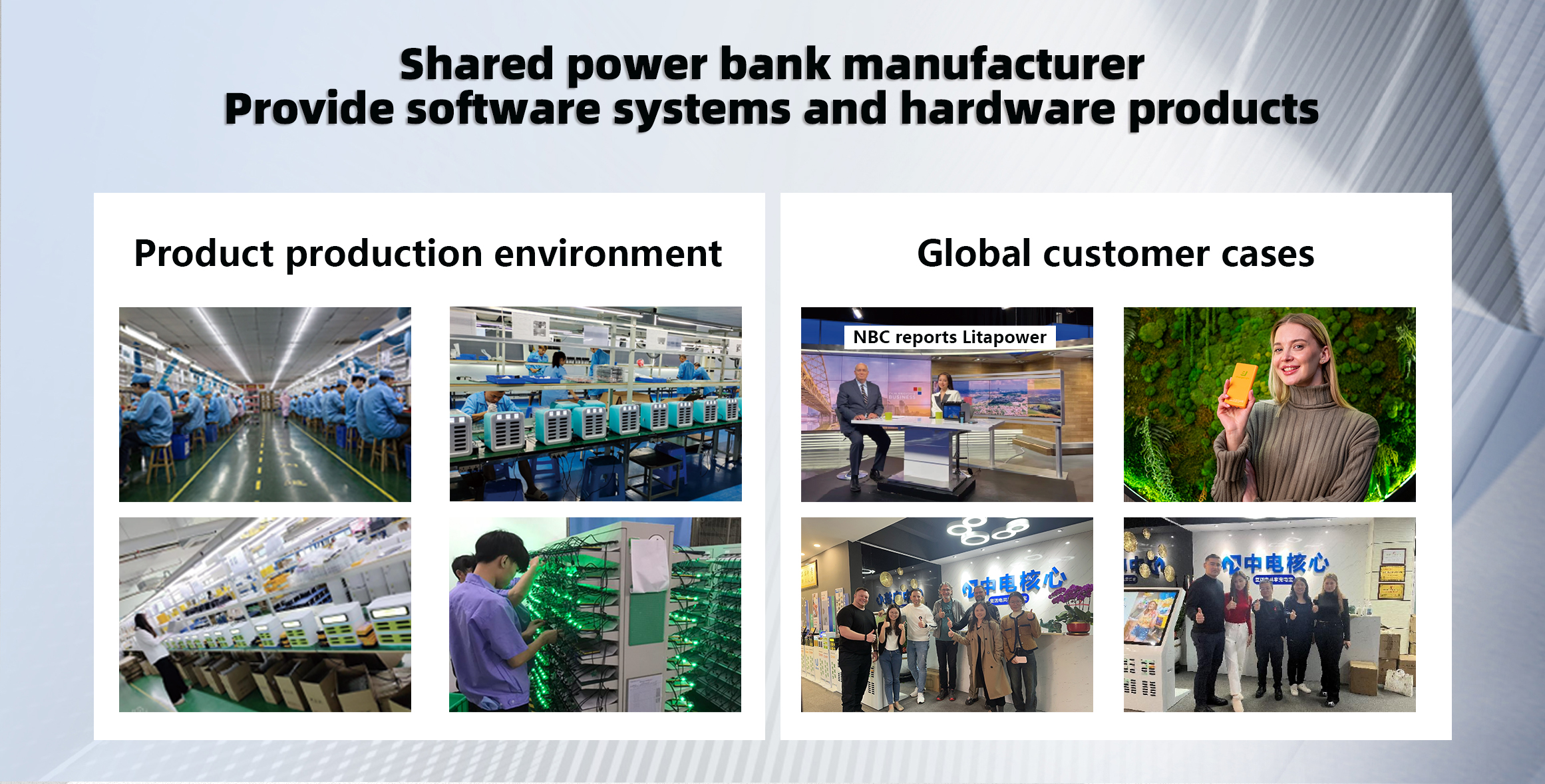
Looking for a reliable manufacturing partner? Shenzhen Zhongdian Hexin’s overseas brand, Kekuatan Litapower, operates in more than 80 countries and regions and serves over 300 shared power bank brands. It provides OEM and private-label customization, scalable production, and one-stop logistics.
For Yemen shared power bank projects, Litapower can provide customized hardware and software, multilingual interfaces, and payment integration based on supported providers and local requirements. The team can also guide customers on operating models and rental pricing to help plan and launch phone charging station projects.