 租赁移动电源,共享移动电源制造商
Indonesia shared power banks are one of the largest and most promising blue ocean entrepreneurship opportunities in Southeast Asia. Supported by a huge population base and strong demand from consumers and the tourism industry, the market has significant growth potential.
The Southeast Asian shared power bank market continues to expand rapidly. With its massive market size, low competition environment, and high user acceptance, Indonesia shared power banks have become a key destination for overseas business expansion.
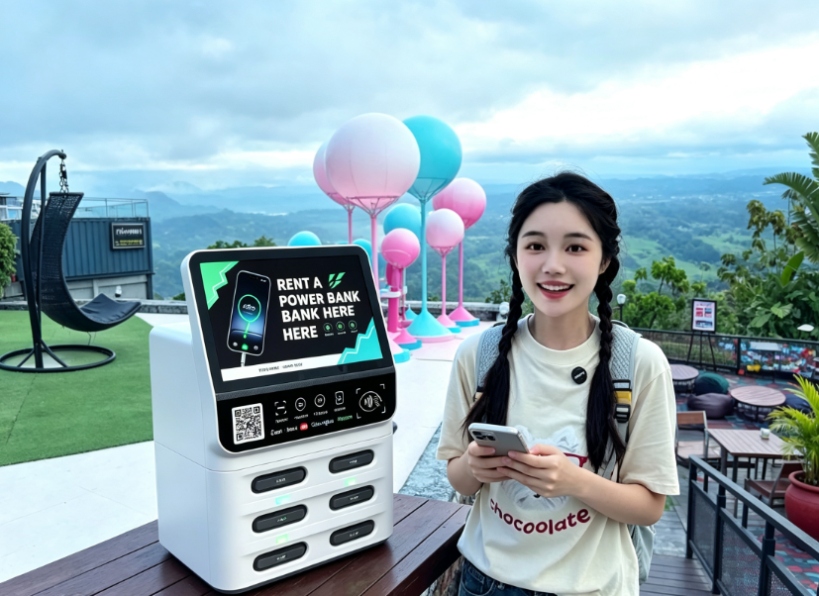
I. Market Advantages of Indonesia Shared Power Banks
Large Market Size
Indonesia has a population of more than 280 million, making it the largest country in Southeast Asia by population. With high smartphone penetration, frequent online social activities, short-video usage, and outdoor mobility, users consume large amounts of mobile power.
The daily rental demand for Indonesia shared power banks remains among the highest in the region, with a market scale far exceeding neighboring countries.
Low Market Coverage
Currently, Indonesia shared power bank market is still in the development stage. Existing deployments are mainly concentrated in small scenarios such as stores, 咖啡馆, 酒吧, and nightclubs. Large-scale branded operations are still limited, and the market has not yet formed clear dominance by major players.
For overseas shared power bank brands, entering the Indonesia market early provides opportunities to establish brand advantages through strategic location deployment and capture future growth opportunities in the Southeast Asian shared charging market.
High User Acceptance
Indonesia’s digital payment ecosystem is developing rapidly. E-wallets such as GoPay, OVO, DANA, and ShopeePay are widely used in daily consumption.
The QR code rental model of shared power banks is highly compatible with local mobile payment habits, allowing users to complete payments and rentals quickly without complicated operations.
Meanwhile, many public places in Indonesia still lack sufficient charging facilities. Shared power banks can effectively solve users’ low-battery problems while traveling, creating strong market acceptance.
II. How to Launch Indonesia Shared Power Bank Projects?
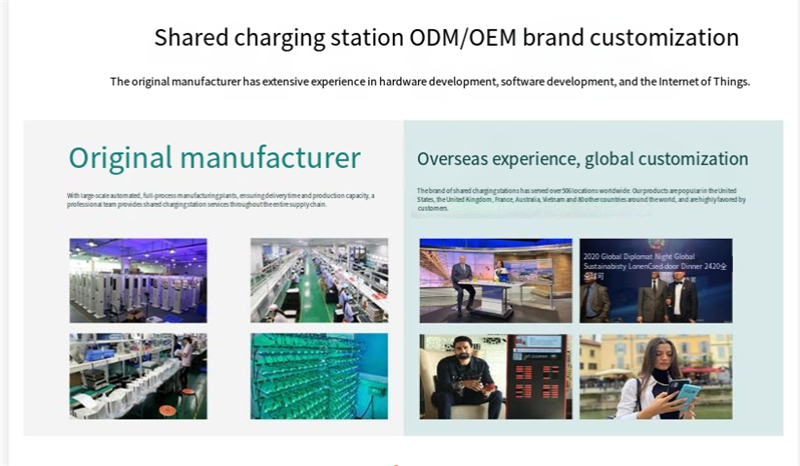
In the Indonesia shared power bank market, Litapower 公司, an overseas shared power bank brand under Zhongdian Core, has achieved compliant market deployment and multi-scenario expansion.
With mature hardware and software systems, strong overseas delivery capabilities, and professional OEM shared power bank customization services, Litapower continues expanding its Indonesia shared power bank market presence and achieving sustainable long-term profitability.
Indonesia Compliance Certification Requirements
Indonesia is one of the ASEAN countries with the strictest market access regulations. Shared power banks must comply with mandatory SNI certification requirements, which are managed by the Indonesian National Standardization Agency (BSN).
Industry regulations require both the complete shared power bank device and lithium battery components to obtain separate SNI certifications, following standards including SNI IEC 62368-1 and SNI IEC 62133.
Certification applications must be submitted through local Indonesian agents. Some testing procedures must be completed in local laboratories. The overall certification process usually takes 6–8 months.
Product labels must also include mandatory Indonesian-language safety warnings. 另外, smart charging cabinets equipped with 4G or Bluetooth modules must obtain SDPPI wireless radio frequency certification. Only after completing all compliance requirements can products pass customs clearance and enter the Indonesian market.