 Huur powerbank,Fabrikant van gedeelde powerbanks
Introduction: Why Turkey Is a Key Middle Eastern Market for Shared Power Bank Expansion
Connecting Europe and Asia, Turkey is home to Istanbul, an international tourism and business hub, as well as Antalya, a popular Mediterranean resort destination. For shared power bank investors, two key considerations when entering the local market are how to capitalize on growing tourist traffic and how to navigate the different certification requirements for equipment customs clearance and offline deployment.
Turkey is an attractive market worth exploring. In 2025, Turkey welcomed 64 million international visitors, generating USD 65.231 billion in tourism revenue (Ministry of Culture and Tourism of Türkiye, 2025). Passenger traffic across the country’s airports also reached 247.16 million (General Directorate of State Airports Authority, DHMİ, 2025). Together, tourism spending and air passenger traffic create potential usage scenarios for shared power bank services.
This article examines the Turkish market from four perspectives: market advantages, TSE and CE certification requirements, the FAST and TR Karekod payment ecosystem, and the business opportunities in Istanbul and Antalya. It provides an overview of the conditions for launching a shared power bank project in Turkey.
Zhongdian Hexin Shared Power Bank Cooperation Case in Turkey
I. Turkey Shared Power Bank Market: Three Key Advantages
Turkey’s market potential comes not only from international tourism but also from its large mobile internet user base and increasingly mature electronic payment ecosystem.
Advantage 1 | Continued Growth in International Tourism
Turkey welcomed 64 million international visitors in 2025, representing a year-on-year increase of 2.7%. Tourism revenue reached USD 65.231 billion, up 6.8% year-on-year (Ministry of Culture and Tourism of Türkiye, 2025).
When international tourists visit airports, pedestrian streets, historical attractions, Winkelcentra, and coastal commercial districts, they rely heavily on their smartphones for navigation, translation, photography, and mobile payments. These tourism scenarios create practical rental demand for shared power banks.
Advantage 2 | A Large Mobile Internet User Base
Turkey has a population of approximately 87.7 million, with 77.5 million internet users and an internet penetration rate of 88.3%. The country also has 81.9 million mobile connections (DataReportal, Digital 2026: Turkey, 2025 data).
This extensive connected user base provides favorable conditions for shared power bank services, allowing customers to rent devices through QR code scanning, mobile apps, and online payments.
Advantage 3 | Concentrated Passenger Traffic at International Aviation Hubs
In 2025, total passenger traffic across Turkish airports reached 247.16 million, representing a year-on-year increase of 7.1%. Istanbul Airport handled 84.4 million passengers, while Antalya Airport recorded 39.16 million passengers (General Directorate of State Airports Authority, DHMİ, 2025).
Airport traffic also extends into urban commercial streets, Hotels, Restaurants, and tourist attractions, providing a customer base for shared power bank stations in different types of locations.
The combination of tourism, mobile internet connectivity, and aviation traffic gives Turkey a solid foundation for developing shared power bank rental services.
II. Key City Market Analysis in Turkey
City deployment in Turkey can follow a strategy that combines year-round tourism and commercial centers with seasonal resort destinations.
Istanbul combines business activities, historical attractions, and international tourism, making it suitable for deployment along pedestrian streets, historical markets, and waterfront commercial districts. Antalya, on the other hand, is primarily driven by Mediterranean resort tourism, making its old town, marina, and beachfront hotels attractive operating locations.
2.1 Istanbul: Year-Round Tourism and Commercial Spending
Istanbul is one of Turkey’s most important international transportation and commercial centers. In 2025, Istanbul Airport handled 84.4 million passengers, a year-on-year increase of 5%, while Sabiha Gökçen International Airport recorded 48.42 million passengers, up 17% (General Directorate of State Airports Authority, DHMİ, 2025).
The city also features historical attractions, pedestrian shopping streets, and vibrant local nightlife districts, making it suitable for meeting different types of mobile charging needs.
(1) İstiklal Caddesi + Kapalıçarşı (Grand Bazaar)
İstiklal Caddesi is a pedestrian shopping street approximately 1.4 kilometers long. Most shops operate between 10:00 and 23:00, with peak pedestrian traffic typically occurring between 19:00 and 23:00.
The street is lined with numerous retail stores and restaurants, attracting a mix of tourists and local young consumers. Shared power bank stations can be placed in restaurants, at commercial entrances, and in designated resting areas.
The Grand Bazaar operates from Monday to Saturday, between 09:00 and 19:00, and contains approximately 4,000 shops (Grand Bazaar Management / Türkiye Tourism Board, 2026).
With its extensive network of internal passageways, the historical market attracts visitors who frequently use their smartphones for shopping, photography, and navigation. Shared power bank stations are suitable for major entrances, areas with concentrated retail activity, and nearby resting points.
(2) Galataport + Kadıköy / Moda Waterfront District
Galataport combines a cruise terminal with a waterfront commercial district. Restaurants operate until midnight, bringing together international cruise passengers and local leisure visitors.
Shared power bank stations can be strategically placed in waterfront dining areas, commercial entrances, and high-traffic visitor zones to meet charging needs during sightseeing, dining, and shopping activities.
The Kadıköy / Moda waterfront district is more closely associated with local lifestyles and nighttime dining. It remains accessible throughout the day, with relatively concentrated pedestrian traffic in the evening.
Compared with waterfront commercial areas dominated by international tourists, this district is more suitable for partnerships with restaurants and leisure venues to serve the everyday rental needs of local young consumers.
2.2 Antalya: Mediterranean Resorts and Seasonal Tourism Spending
Antalya is one of Turkey’s leading Mediterranean resort destinations. In 2025, Antalya Airport handled 39.16 million passengers (General Directorate of State Airports Authority, DHMİ, 2025).
International tourists make up an important part of the local tourism market, with the main peak season running from June to September. Resort hotels, beaches, and historical districts together create key application scenarios for shared power bank services.
(1) Kaleiçi Old Town + Antalya Marina
Kaleiçi Old Town is accessible throughout the day, with restaurants operating until 01:00. The area has a high concentration of boutique hotels, Restaurants, and bars, attracting considerable international tourist activity at night.
When exploring the old town, dining, or taking photographs, tourists continuously use their smartphones for navigation, social media sharing, and mobile payments. Shared power bank stations are suitable for restaurant premises, hotel reception areas, and pedestrian routes.
Antalya Marina is also accessible throughout the day, with yacht and boat tour facilities and restaurants located nearby. Visitors typically spend time at the marina taking photographs, enjoying boat tours, or dining.
Priority deployment locations include boat tour service entrances, restaurant clusters, and visitor rest areas, helping meet mobile charging needs during waterfront sightseeing activities.
(2) Konyaaltı Beach + Lara Beach
Konyaaltı Beach is accessible throughout the day, with its main activity period typically running from 09:00 Aan 19:00 during summer. It is one of Antalya’s major urban beach destinations.
Visitors regularly use their smartphones for leisure activities, photography, and navigation, creating ongoing charging demand. Potential cooperation locations include beach entrances, commercial service points, and nearby dining areas.
Lara Beach is characterized by its concentration of resort hotels, with the hotel district operating throughout the day. European charter flight tourists often stay for extended periods.
Compared with visitors who briefly pass through commercial streets, resort hotel guests spend more time in hotel lobbies, pool bars, and dining areas. These locations are therefore suitable for shared power bank deployment through hotel partnerships.
2.3 Deployment and Operations
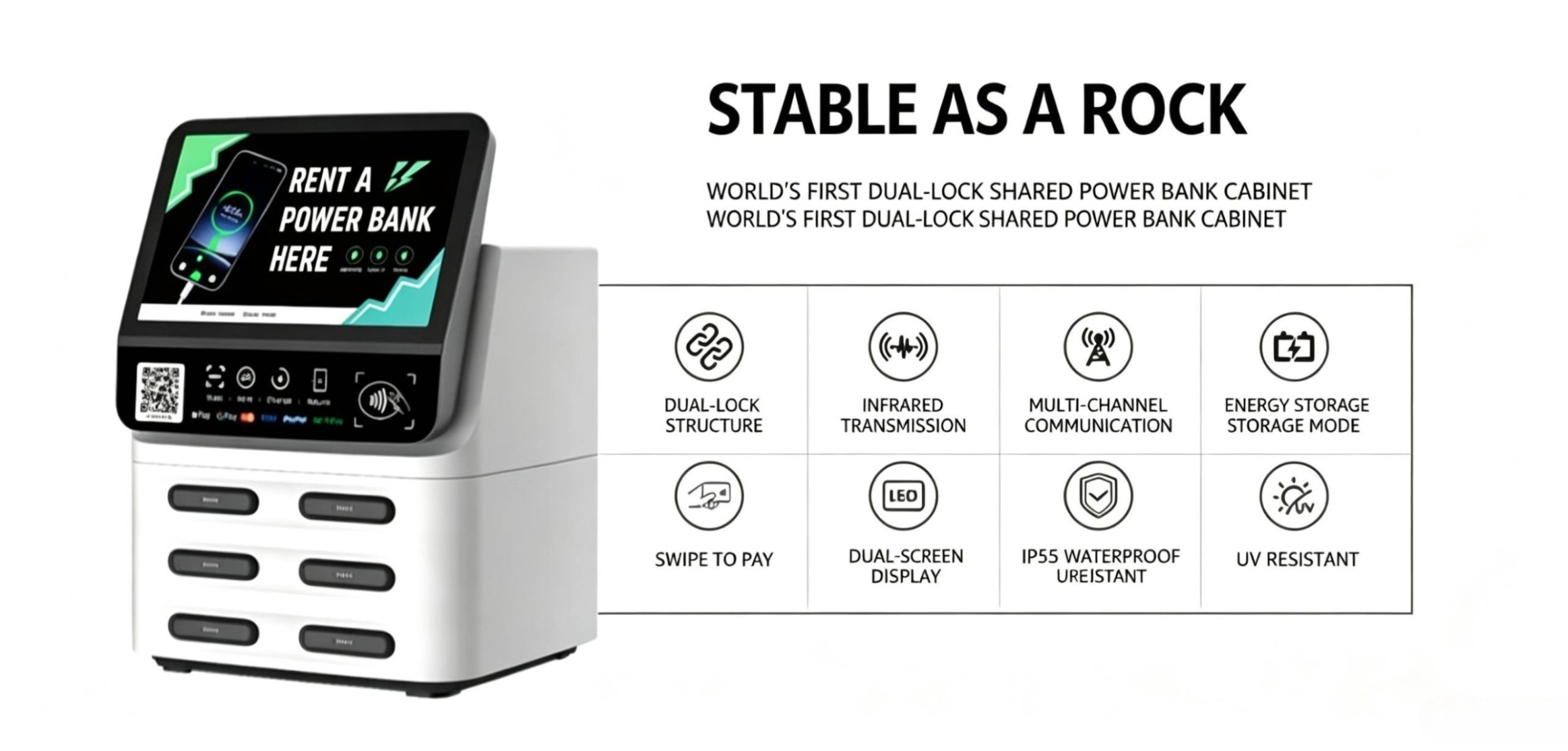
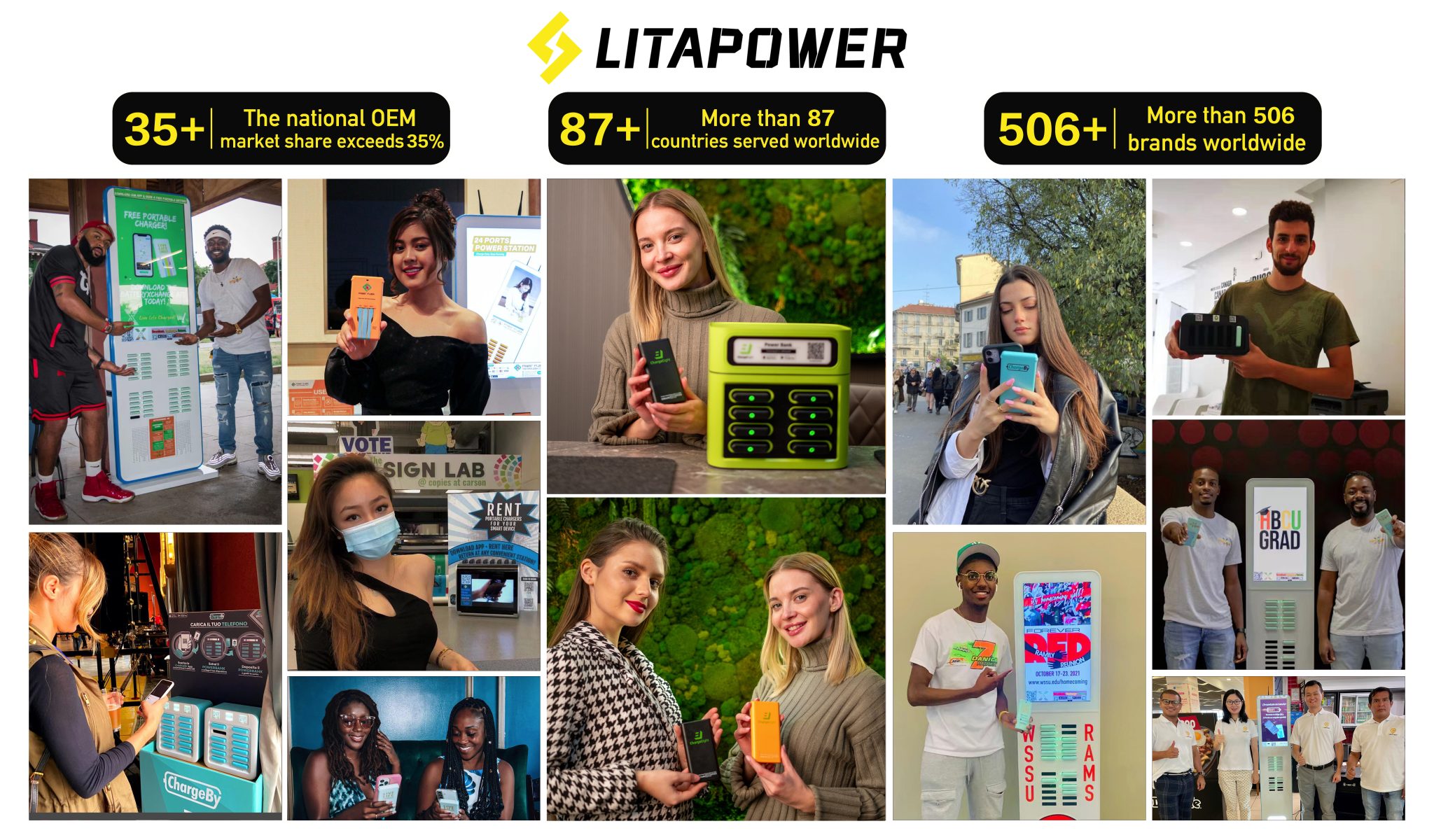
Zhongdian Hexin’s overseas brand, Litapower, provides shared power bank software, hardware solutions, and OEM private-label customization services for international markets.
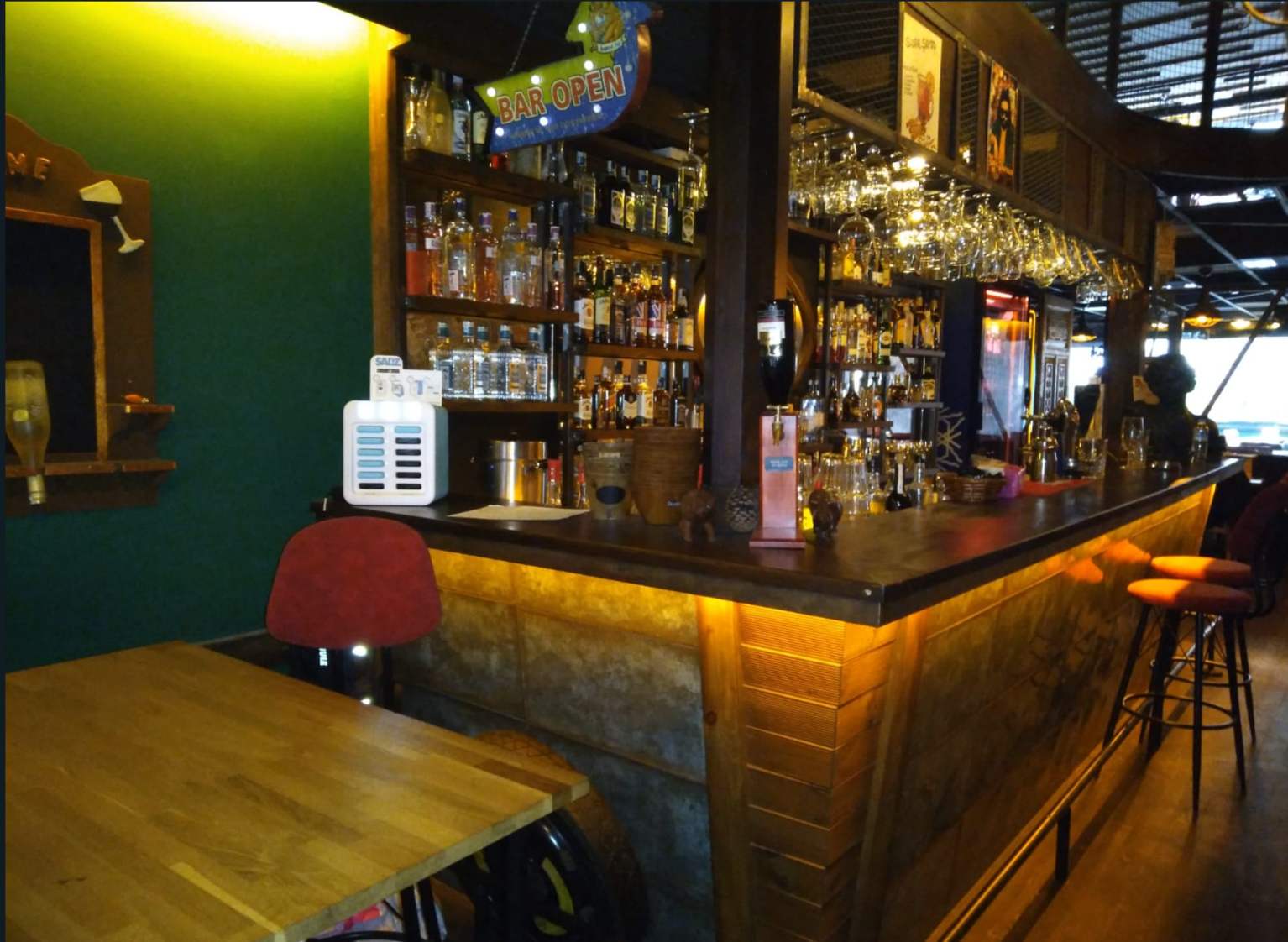
Litapower has partnered on shared power bank projects in Turkey, with more than 400 devices deployed to date. The initial deployment began in Istanbul and Antalya, focusing on pedestrian shopping streets, old town districts, and coastal resort locations. The project primarily uses 8-slot shared power bank stations.
Operational management focuses on location management, backend data analysis, and dynamic pricing. Deployment strategies are adjusted according to the summer resort peak season and year-round urban passenger traffic.
The estimated investment payback period for the project is approximately 4–8 months.
FAQ
Q1. How large is the shared power bank market in Turkey?
Turkey has a substantial potential demand base for shared power bank services.
In 2025, the country welcomed 64 million international tourists, generating USD 65.231 billion in tourism revenue (Ministry of Culture and Tourism of Türkiye, 2025).
The country also had 77.5 million internet users and 81.9 million mobile connections (DataReportal, Digital 2026: Turkey, 2025 data).
Meanwhile, total airport passenger traffic reached 247.16 million (General Directorate of State Airports Authority, DHMİ, 2025).
These figures indicate that airports, Toeristische attracties, commercial streets, and resort hotels all offer potential locations for shared power bank services.
Q2. What certifications or registrations are required to deploy shared power banks in Turkey?
Shared power bank equipment entering the Turkish market needs to pay particular attention to three requirements: CE, TSE, and BTK.
CE compliance is relevant to import customs clearance and basic market access, while TSE certification is associated with offline sales and deployment.
The estimated TSE testing period is approximately 4–6 weeks, with costs of around USD 2,000–5,000 per model.
Stations containing Bluetooth, Wi-Fi, or cellular communication modules may also require BTK model approval. The estimated approval period is approximately 3–6 weeks, with costs of around USD 800–2,000 per model (TSE guidelines and BTK regulations, 2026).
Bovendien, portable power banks must comply with IEC 62133 requirements and provide UN38.3 transportation test reports.
For offline deployment, operators should also consider local municipal business permits and venue insurance requirements.
Q3. What payment methods do Turkish residents and tourists use to rent shared power banks?
Shared power bank operators in Turkey can support payment methods such as Visum, Mastercard, TROY, TR Karekod, and FAST.
By the end of 2025, the total number of payment cards in Turkey had reached 460.6 million, with approximately four out of five in-store bank card transactions being contactless payments (Interbank Card Center, BKM, 2025).
FAST recorded 5.4 billion transactions throughout the year, while TR Karekod QR code payments covered 90% of POS terminals (Central Bank of the Republic of Türkiye, CBRT, 2025).
Bank cards are particularly suitable for international tourists, while FAST and TR Karekod can complement QR code payment services for local users.
Q4. How can investors establish their own shared power bank brand in Turkey?
Local entrepreneurs and investors in Turkey can work with Chinese manufacturers through OEM private-label customization to establish their own shared power bank brands.
By integrating local payment service providers and developing offline venue partnerships, operators can build their own branded rental networks.
Zhongdian Hexin’s overseas brand, Litapower, provides shared power bank hardware, software, SaaS management systems, and OEM private-label customization services.
With projects already implemented across multiple overseas markets, including Southeast Asia, the Middle East, and Europe, Litapower can provide product and system solutions for local shared power bank operators in Turkey.
Q5. How long does it take to recover the investment in a shared power bank project in Turkey?
Based on Zhongdian Hexin Litapower’s shared power bank project experience in the Middle East, an 8-slot station project in Turkey has an estimated investment payback period of approximately 4–8 months.
The actual payback period depends on the city, venue partnership conditions, and operational management efficiency.
References
- Turkey Population, Internet Users, and Mobile Connections (DataReportal, 2025 data)
https://datareportal.com/reports/digital-2026-turkey - Turkey’s International Tourist Arrivals and Tourism Revenue in 2025 (Ministry of Culture and Tourism of Türkiye, 2025)
https://www.ktb.gov.tr - Turkey’s Total Airport Passenger Traffic in 2025 (General Directorate of State Airports Authority, DHMİ, 2025)
https://f.invest.gov.tr/en/news/news-from-turkey/pages/turkiye-sets-all-time-record-in-air-passenger-traffic-with-247.2-million-travelers.aspx - Turkey FAST Instant Payment Transactions and TR Karekod QR Code Coverage (Central Bank of the Republic of Türkiye, CBRT, 2025)
https://docs.barcoder.ai/docs/payments/TR - TSE Certification Requirements for Electrical and Electronic Products in Turkey (TSE Guidelines and Certification Bodies, 2026)
https://www.wanve.net/en/certification/electronics/turkey - CE Product Market Access Requirements in Turkey (European Commission, CE Marking System, 2026)
https://single-market-economy.ec.europa.eu/single-market/goods/ce-marking_en