 Bank tal-enerġija tal-kiri,Manifattur tal-bank tal-enerġija kondiviż
With the widespread adoption of mobile internet in Europe and the ongoing recovery of the cross-border tourism economy, Shared Power Bank—a high-frequency, essential product—is rapidly penetrating emerging European markets. Compared to the mature markets of Western Europe, the Shared Power Bank sector in Romania remains clearly in the early stages of a blue ocean market. Characterized by a loose competitive landscape, manageable deployment costs, and enormous growth potential, it represents an excellent entry point for brands looking to expand into the European market.
-560x359.png)
I. Analysis of the Shared Power Bank Market in Romania
- The market is in its infancy, with virtually no competition
Romania’s urbanization is progressing steadily, and commercial activity continues to grow, but Shared Power Bank has not yet achieved widespread adoption.
The total number of devices in the market is low, and there are currently no nationwide dominant brands; the market is primarily characterized by small-scale, scattered pilot projects.
Merchants have a high level of acceptance for Shared Power Bank, but there is a lack of mature, integrated hardware and software solutions.
Consumers are gradually developing a willingness to pay for charging services; European users are less price-sensitive toward convenient services, resulting in low customer acquisition costs.
Particularly in the capital Bucharest and key tourist cities such as Sibiu and Sighişoara, high-frequency power-usage scenarios—including restaurants, bars, hotels, and commercial districts—are densely concentrated yet remain unsystematically covered, presenting a clear window of opportunity for first-mover advantage.
- Payment Methods: Primarily Local Card Payments + Digital Wallets
Credit card penetration is high in Romania, and local digital wallets are well-established, creating a diverse payment ecosystem that includes bank cards, local wallets, and international payment methods.
The local market is dominated by Visa and Mastercard credit cards, as well as local digital wallets; cross-border tourists can use international wallets such as Apple Pay, Google Pay, and PayPal for QR code payments.
Consumer habits are transitioning smoothly from cash to electronic payments, with high acceptance of QR code-based rentals and automatic settlement.
For Shared Power Bank projects, as long as the system supports the integration of multiple payment interfaces and a multilingual interface, it can quickly adapt to local payment habits and be efficiently implemented.
- Payback Period: Short, Stable, and Easily Reproducible
Benefiting from the following factors, Shared Power Bank projects in Romania offer a strong return on investment model:
Relatively low deployment costs
Significant room for negotiation with venue partners, with favorable revenue-sharing ratios
Concentrated charging demand and high usage frequency
In Bucharest’s core commercial districts, popular tourist attractions, and transportation hubs, the payback period for a single device is typically 6–10 months. At established locations, this period can be further shortened, providing a stable cash flow foundation for subsequent replication and expansion.
II. Shared Power Bank Brands in Romania
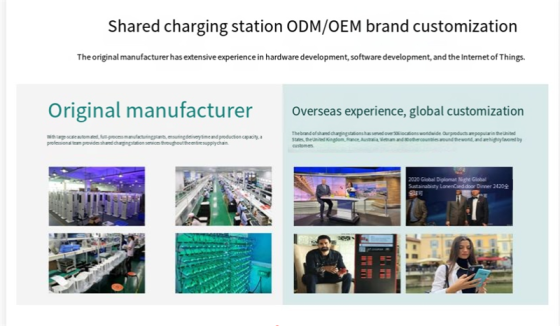
Litapower, a brand under Zhongdian Core, is rapidly emerging as a key player in Romania’s Shared Power Bank market. Leveraging a mature integrated hardware-software system, stable and reliable product quality, and extensive experience in European localized operations, Litapower has achieved large-scale deployment across multiple scenarios in Romania, establishing a comprehensive local operational network and service system.
Key deployment scenarios for Shared Power Bank in Romania include:
Restaurants, cafes, and local restaurant chains
Bars, nightclubs, KTV venues, and other high-activity night economy settings
Hotels, vacation rentals, and hostels
Large shopping malls, supermarkets, and convenience store chains
International airports, stazzjonijiet tal-ferrovija, long-distance bus stations, and tourist hubs
These settings are generally characterized by long dwell times, high smartphone usage frequency, strong willingness to pay, and high average transaction values, making them key battlegrounds for rapid scale-up and high profitability in the Shared Power Bank sector.
Ġenerali, Romania’s Shared Power Bank market is currently in a golden early-stage phase characterized by low penetration, high demand, weak competition, and high average transaction values. For companies deeply committed to the European market, taking the lead in establishing a presence in Romania will not only yield stable and substantial short-term returns but also allow them to develop it into a model market for the European region. This can then extend to neighboring countries such as Hungary, Bulgaria, and Serbia, forming a large-scale, networked strategic layout across Europe.