 Bank tal-enerġija tal-kiri,Manifattur tal-bank tal-enerġija kondiviż
Malaysia has a mature digital economy, an active tourism market, and well-developed commercial consumption scenarios. In 2025, the country’s internet penetration rate reached approximately 97.7%, with around 43.3 million mobile connections at the beginning of the year. Annual visitor arrivals reached 42.2 million, creating potential demand for outdoor charging and rental services in the Malaysia shared power bank market.
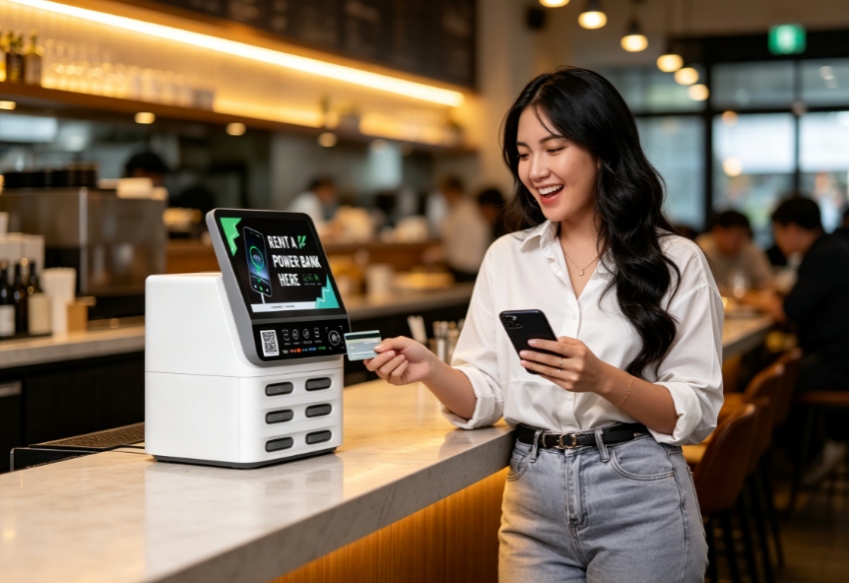
I. Malaysia Shared Power Bank Market
The Malaysia shared power bank market offers opportunities in cities such as Kuala Lumpur, Penang, and Johor Bahru. Mobile device usage is widespread, 5G coverage is extensive, and people rely heavily on smartphones in their daily lives. Combined with substantial tourist traffic throughout the year, these factors create ongoing demand for convenient charging services. Currently, the market reportedly has fewer than 10,000 deployed devices, indicating low penetration and significant room for growth. With no dominant brand controlling the market, Malaysia presents promising opportunities for shared power bank businesses in Southeast Asia.
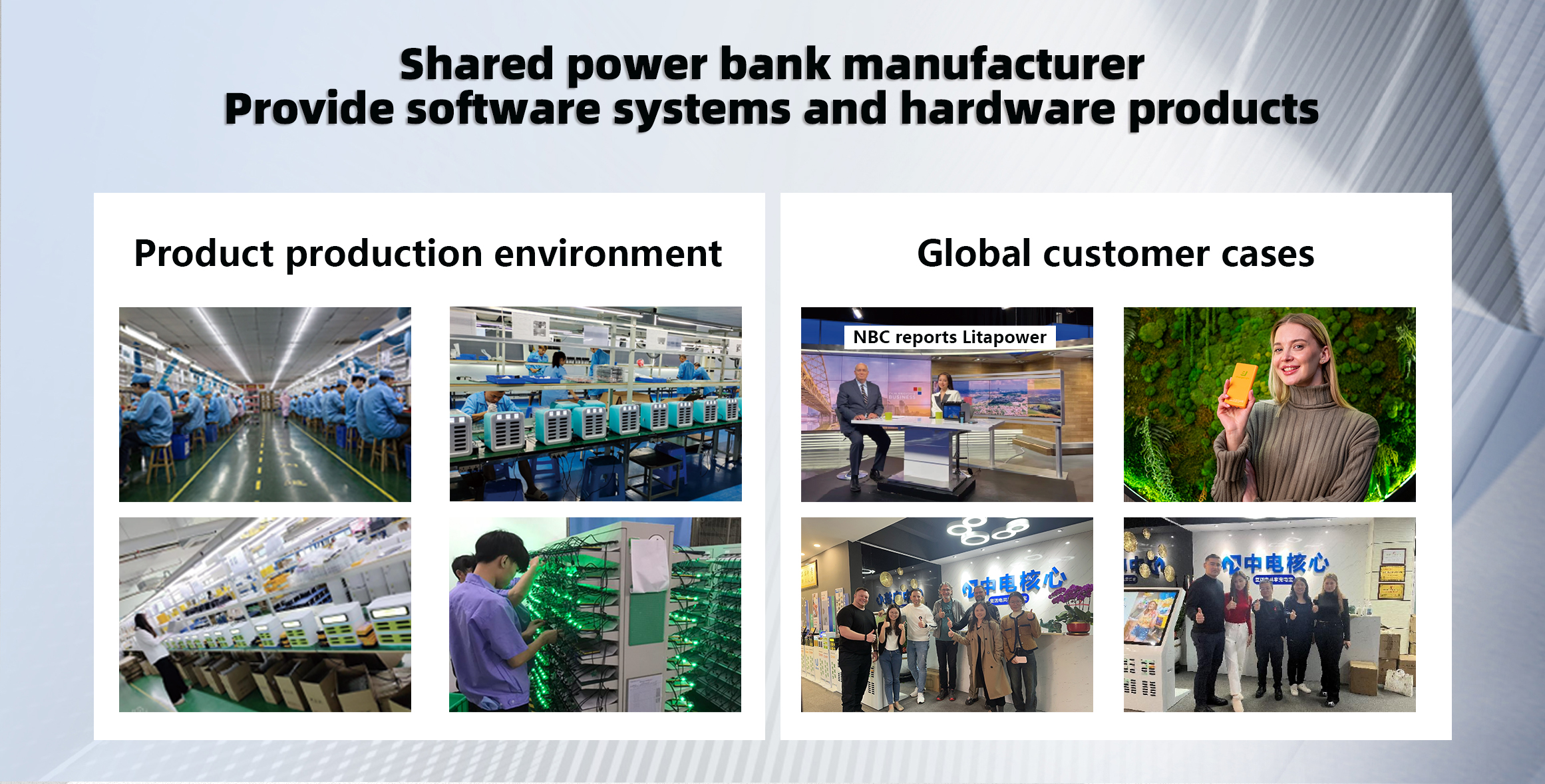
Zhongdian Core’s shared power bank factory has established business operations in more than 80 countries and regions and served over 300 shared power bank brands. Its overseas brand, Litapower, provides shared power bank OEM and private-label customization services, along with integrated hardware and software solutions, helping customers build and operate their own local brands.
II. Key Factors for Launching and Profiting from a Shared Power Bank Business in Malaysia
(1) Compliance and Certification
For projects in Malaysia, SIRIM certification and other applicable product access requirements should be confirmed according to the device type. Devices equipped with wireless communication functions may also need to meet relevant MCMC certification requirements. Certification timelines and costs depend on product classification, test reports, and application procedures. Zhongdian Core can assist with organizing certification documents and evaluating whether existing certifications are applicable, helping reduce unnecessary repeat testing.
(2) Payment Integration
Malaysia has a well-developed digital payment ecosystem. Operators can consider integrating Touch ‘n Go eWallet, Boost, GrabPay, and DuitNow QR, while also supporting bank cards such as Visa and Mastercard. This helps meet the payment needs of both local users and international tourists using shared power bank rental services.
(3) Brand Promotion
Brand awareness is essential for growing a shared power bank business in Malaysia. Effective promotional methods include influencer collaborations, promotional videos, posters, and brand exposure at sporting events, music festivals, and other high-traffic activities. These strategies can help increase visibility, attract users, and encourage regular rental habits.
(4) Market Strategy
Prioritize locations in Kuala Lumpur, Penang, and Johor Bahru, including shopping malls, bar chains, cafés, and nightclubs. Cooperate with local distributors, channel partners, and venue operators to expand into high-quality locations. Revenue-sharing arrangements with venues, combined with reliable daily maintenance and flexible pricing strategies, can help improve operational performance.
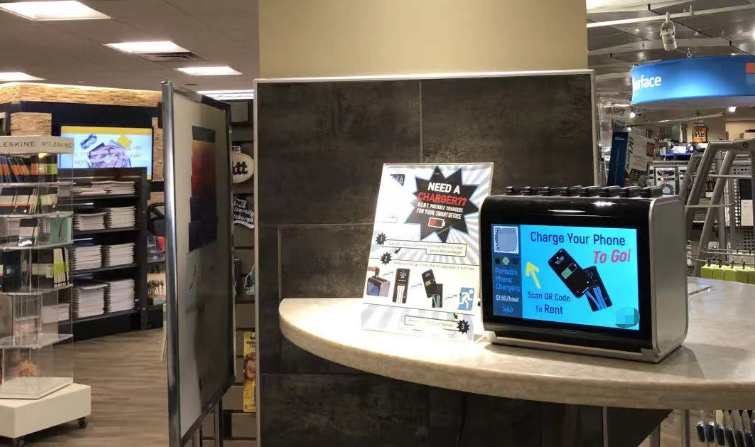
Litapower Project Case: 300 Eight-Slot Charging Stations
Litapower provided customized, private-label shared power bank stations under the customer’s Uxxx brand. The customer deployed the equipment across five key charging zones in bar chains, cafés, and nightclubs in Malaysia. According to the project data provided, each station generated 10–25 rentals per day, with average revenue exceeding 40 per station per day (currency not specified). Combined with advertising and merchant-related income, the project reportedly achieved a payback period of approximately four months, demonstrating promising business potential.