 Bank tal-enerġija tal-kiri,Manifattur tal-bank tal-enerġija kondiviż
Indonesia is one of the most populous countries in Southeast Asia, with a large mobile internet user base and an active tourism market. Smartphone penetration exceeds 80%, the country has approximately 230 million internet users, and annual international tourist arrivals reach around 15.39 million. This combination of a large consumer base, growing digital payments, and outdoor tourism demand creates promising opportunities for the Indonesia Shared Power Bank market.
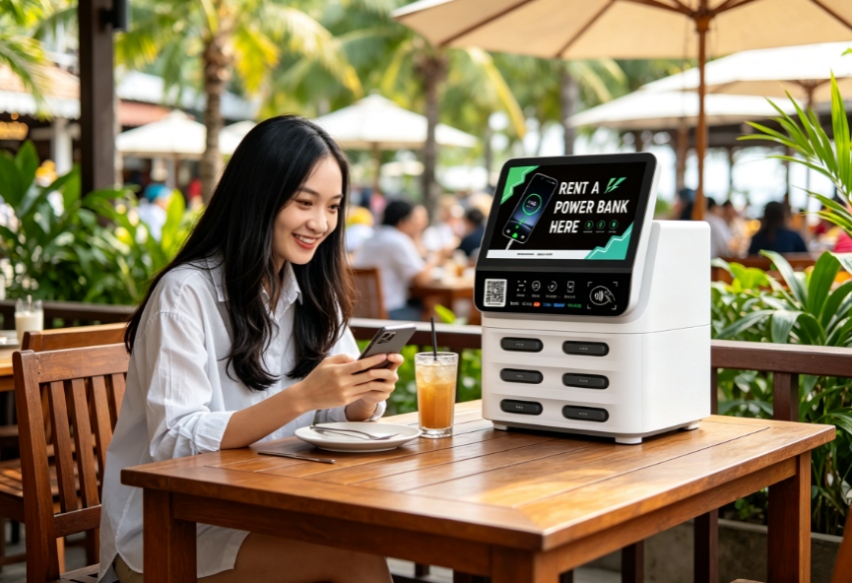
I. Indonesia Shared Power Bank Market
The Indonesia Shared Power Bank market can prioritize major cities and tourism destinations such as Jakarta, Bali, and Surabaya. Potential locations include shopping malls, restaurant chains, cafés, bars, nightclubs, and tourist attractions. Frequent smartphone use during outdoor activities creates ongoing demand for convenient emergency charging services.
Indonesia’s shared power bank industry is still developing. Leading brands do not yet dominate the entire market, and many high-quality commercial locations remain untapped. These conditions provide considerable room for market expansion and create opportunities for operators to establish their own shared power bank brands.
II. Key Factors for Launching from a Shared Power Bank Business in Indonesia
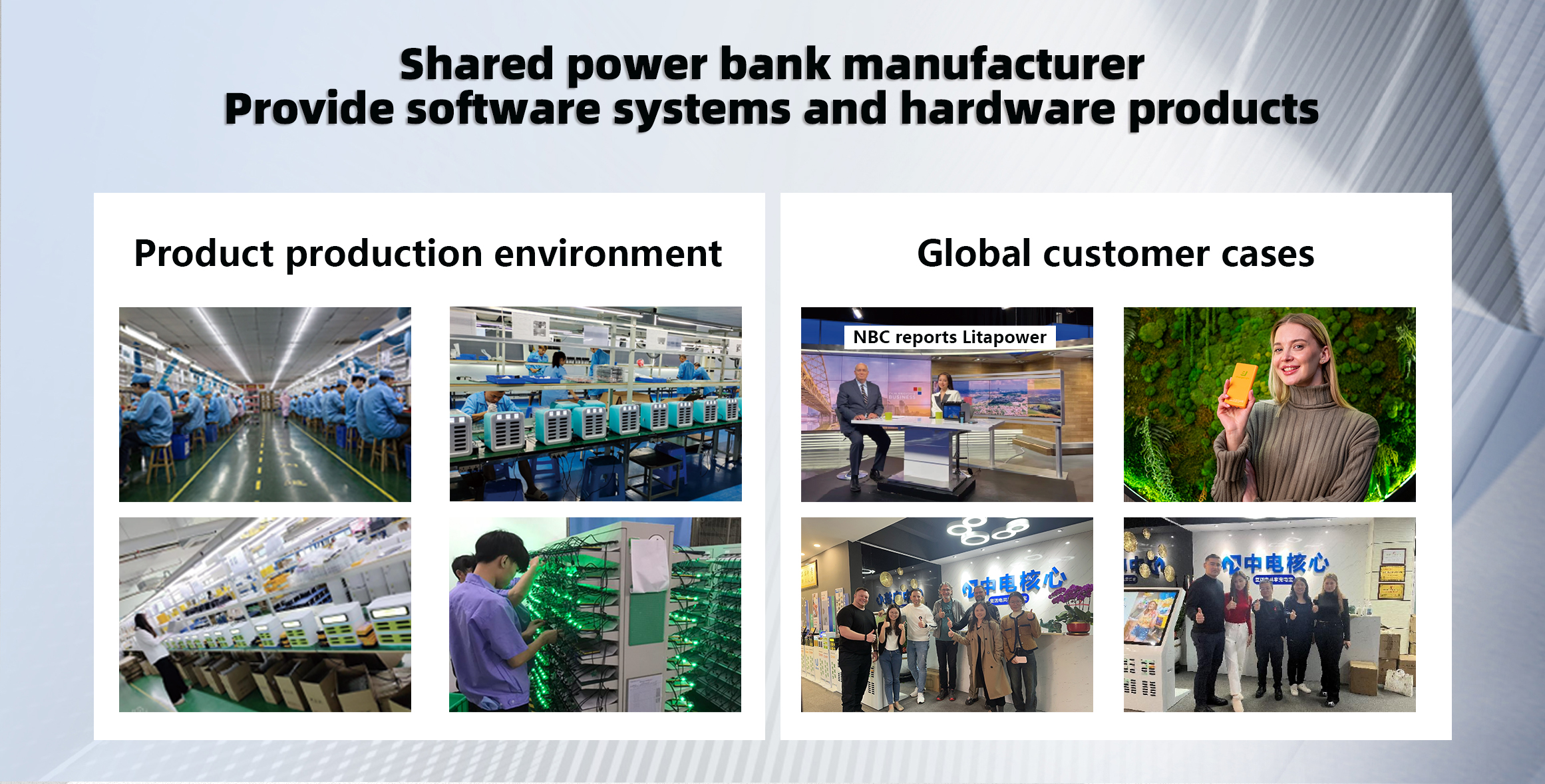
Choosing a reliable shared power bank manufacturer is essential for successful project deployment. Zhongdian Core’s shared power bank factory operates in more than 80 countries and regions and has served over 300 shared power bank brands. Its overseas brand, Litapower, provides OEM private-label customization and integrated hardware and software solutions, helping partners establish and develop their own brands.
(1) Compliance and Certification
For projects in Indonesia, applicable SNI standards and product entry requirements should be verified according to the device type. Equipment with wireless communication functions may also need to meet relevant SDPPI certification requirements. Certification timelines and costs depend on product classification, test reports, and application procedures. Zhongdian Core can assist customers in organizing certification documents and assessing whether existing test reports can be used, helping reduce unnecessary repeat testing.
(2) Payment Integration
Indonesia has a well-developed mobile payment ecosystem. Operators can evaluate local e-wallets such as GoPay, ShopeePay, and OVO, subject to the availability and integration requirements of each payment provider. Supporting widely used local payment methods can make shared power bank rentals more convenient for residents and tourists, particularly for small-value transactions, and help improve rental conversion rates.
(3) Brand Promotion
Build brand awareness through local influencers, short-form videos, social media campaigns, and offline posters. Promotional activities can also be coordinated with music festivals, sporting events, and commercial events to increase brand exposure, strengthen consumer trust, and encourage more users to try shared power bank rental services.
(4) Market Strategy
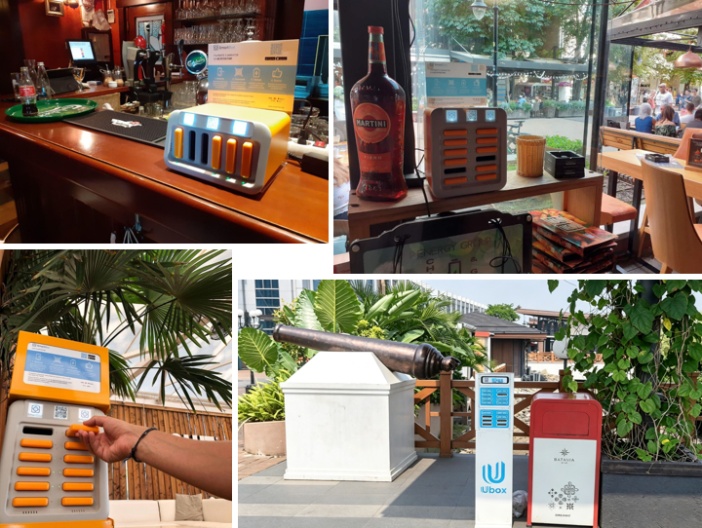
Prioritize shopping malls, transport hubs, attrazzjonijiet turistiċi, bars, nightclubs, and cafés in Jakarta and Bali, while evaluating other suitable urban markets. Indonesia’s active tourism industry, expanding digital payments, and frequent mobile phone usage create favorable conditions for shared power bank services.
Collaborate with local distributors, channel partners, and venue owners to secure high-quality locations. Revenue-sharing arrangements with venue partners can support location expansion, while regular maintenance, equipment inspections, and effective operational management help maintain service quality and improve profitability.
Litapower Project Case: 500 Eight-Slot Charging Stations
Litapower provided OEM private-label customization for the customer’s Indonesia shared power bank brand in Indonesia, with seven key charging zones planned for deployment. According to the supplied project case data, each station generated 12–25 rentals per day, with average daily revenue exceeding 50 per station. Combined with advertising and merchant-related income, the project reportedly achieved a payback period of approximately 3.5 months. Actual revenue and payback periods depend on local operating data, deployment progress, and cost calculations.