 租赁移动电源,共享移动电源制造商
Peru is a country in Latin America with extremely rich tourism resources. World-famous attractions such as Machu Picchu and Cusco attract tourists from around the world throughout the year. Long-distance travel, outdoor sightseeing, and navigation during commuting can quickly consume smartphone batteries, creating strong and stable demand for emergency charging. 同时, digital wallets such as Yape and Plin support instant transfers and QR payments, providing a solid digital foundation for phone charging station rentals, 移动支付, and offline consumption scenarios.
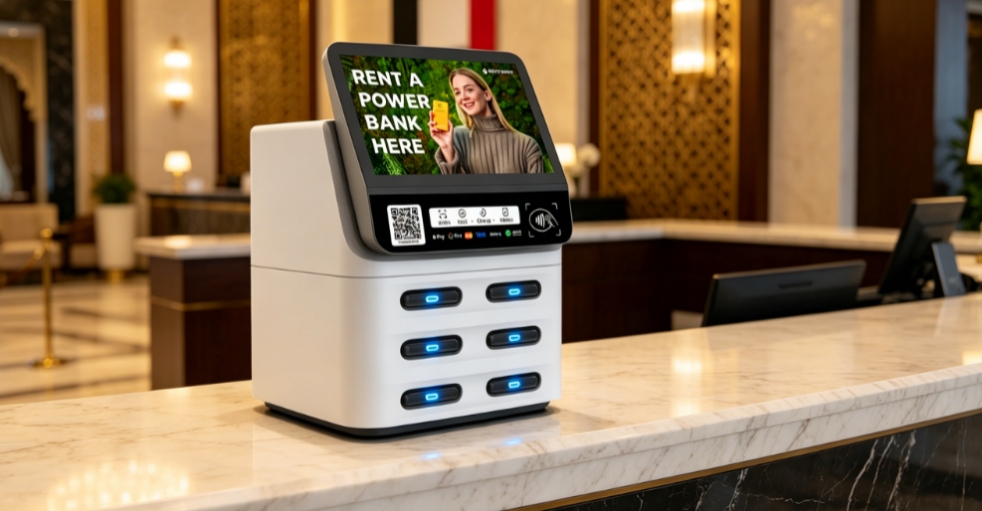
I. Background of the Phone Charging Station Market in Peru
现在, the phone charging station industry in Peru is still in its early stage of development, with relatively low market coverage and a limited number of established brands. High-value locations in cities such as Lima and Cusco include airports, 商场, 餐馆, 酒店, 旅游景点, and entertainment venues, where demand for smartphone charging continues to increase.
For local investors and operators, the Peru phone charging station market provides opportunities to introduce convenient charging services into high-traffic commercial and tourism locations. Phone charging station projects can be deployed according to local consumer habits, tourism flows, and the characteristics of different commercial venues.
With active tourism and consumer scenarios, phone charging stations are well suited to the local market environment, making Peru a promising emerging market for overseas phone charging station projects in Latin America.
II. What Should Be Considered for a Phone Charging Station Project in Peru?
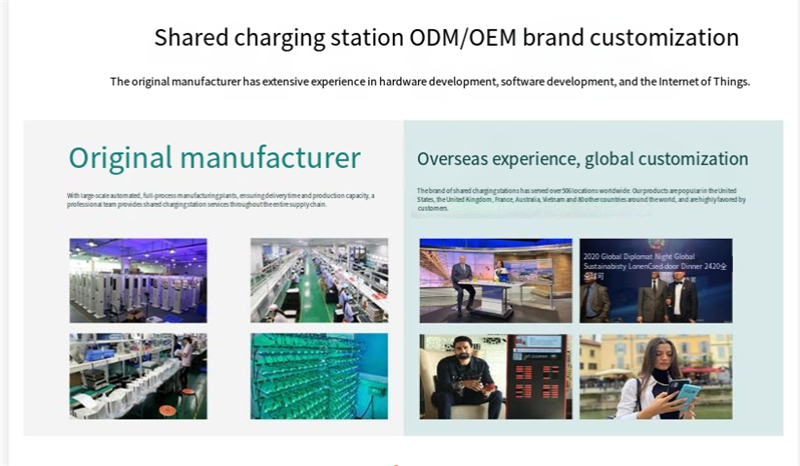
A Peru phone charging station project needs to be operated locally based on payment methods, consumer habits, and location characteristics. Litapower 公司, the overseas brand of Zhongdian Hexin’s shared power bank factory, focuses on the Americas market and provides partners with OEM/private-label phone charging station customization, software and hardware solutions, pricing standards, and operations management training to help partners quickly build their own localized brands and market presence.
For operators developing a phone charging station for business in Peru, the equipment, 支付系统, software, and operating model should all be adapted to the local market.
Payment Integration:
The phone charging station system can be adapted to commonly used local payment methods such as Yape, Plin, QR payments, and bank cards. It can also support Tunki, Mercado Pago, as well as international credit cards such as Visa and Mastercard and QR-code payments, providing users with convenient rental and payment options.
Market Compliance:
Before launching a phone charging station project, operators should prepare product documentation, certifications, and relevant compliance documents according to the actual import requirements, sales model, and equipment type. The applicable requirements in Peru should also be confirmed in advance to reduce project implementation risks.
Location Deployment:

Peru phone charging station can be deployed at airports, 旅游景点, 酒店, 商场, 餐馆, 咖啡馆, 酒吧, entertainment venues, 和交通枢纽. These locations can provide frequent opportunities for users to need temporary charging services.
Operators can use backend order data, rental frequency, and equipment utilization to continuously optimize phone charging station locations. As the project develops, the deployment network can gradually expand across key cities and commercial areas in Peru.
For different commercial scenarios, operators can also choose a portable charger station or phone charger vending machine model according to location requirements. By combining equipment, localized payment methods, software management, and operational support, a Peru phone charging station network can be gradually established and expanded.