 Huur powerbank,Fabrikant van gedeelde powerbanks
To successfully operate a Shared Power Banks in Russia service, it is necessary to comprehensively consider four key areas: payment integration, user experience, location strategy, and brand building. With the widespread adoption of digital payments, growing reliance on mobile devices, and increased frequency of tourism and business travel, Shared Power Banks in Russia are gradually becoming an integral part of urban digital infrastructure.
-560x304.png)
I. Optimizing Payment and Rental Processes
Russian users are increasingly embracing mobile payments. Apple Pay, Google Pay, and local wallets such as Mir Pay and SberPay are all mainstream payment methods. Shared Power Banks in Russia operators must ensure that the processes for scanning codes to rent and return devices, as well as automatic settlement, run smoothly. They should also offer flexible billing models—such as per-minute, per-hour, or per-day rates—to meet the needs of different scenarios and users.
For multinational corporations and local entrepreneurs alike, a seamless payment process is key to increasing usage frequency and repeat purchase rates. Data indicates that optimizing the payment experience can boost user engagement by over 30%.
II. Scenario-Based Deployment Strategy
The deployment locations of Shared Power Banks in Russia directly impact market penetration and profitability. By leveraging the characteristics of Russian cities and popular tourist destinations, operators should prioritize the following scenarios:
High-traffic transportation hubs: Core locations for long-distance travel, such as airports, train stations, and metro stations.
Commercial districts and dining areas: Shopping malls, cafés, and commercial districts, providing continuous charging services to frequent residents and tourists.
Office spaces and Tier-2 cities: Shared workspaces, Universitaire campussen, and commercial districts to meet temporary office and travel needs.
Tourist attractions and commercial centers in cities such as Moscow, St. Petersburg, Sochi, and Vladivostok attract millions of visitors annually. These high-frequency usage scenarios are key areas for Shared Power Banks in Russia deployment.
III. Litapower’s Development Strategy and Customized Solutions in Russia
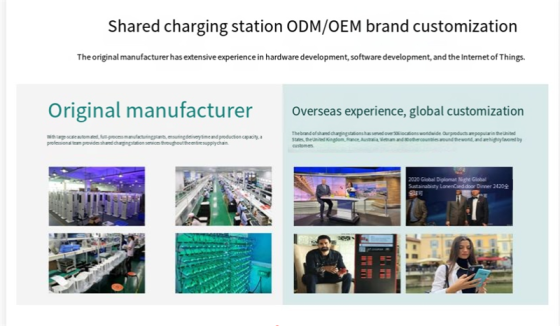
In the Russian market, Litapower has completed small-scale pilot projects in airports, Winkelcentra, and co-working spaces. Through stable and reliable product performance, a mature software system, and adaptation to local payment and consumption habits, Litapower is gradually building brand awareness. In the future, the company will optimize device deployment through real-time operations and data analysis to achieve higher utilization rates and user satisfaction.
Op hetzelfde moment, Litapower offers end-to-end hardware and software customization solutions to provide comprehensive support for Shared Power Banks in Russia projects:
Hardware: Variety of power bank station models and portable power banks, supporting three-in-one charging cables, fast charging, and anti-leakage designs. Appearance and branding can be customized according to partner requirements to ensure brand recognition aligns with the local market.
Software: Backend management system integrates with major Russian payment channels, including Mir Pay, SberPay, and international credit cards, enabling scan-to-rent, automatic settlement, and a multilingual interface (Russian/English/Chinese), while supporting real-time device monitoring and data analysis.
Operations and Customization: Device feature configurations, localized voice prompts, and smart anti-theft features help partners quickly integrate into the local Russian ecosystem, improving operational efficiency and user satisfaction.
Through comprehensive solutions integrating hardware, software, and payment systems, Litapower helps enterprises rapidly enter the Shared Power Banks in Russia market, enhances user experience, and strengthens market competitiveness, laying the foundation for long-term strategic development.
Independent research indicates that the Shared Power Banks in Russia market is projected to reach 1.8 billion rubles in transaction volume by 2025, representing a 35% year-over-year growth. With increasing coverage in second-tier cities and tourist destinations, coupled with growing reliance on mobile charging services, the market is expected to maintain rapid growth.
Amid the trends of the sharing economy and digital lifestyles, companies that adopt strategic deployment, efficient operations, and customized solutions will secure long-term strategic value in the Shared Power Banks in Russia market.