 Huur powerbank,Fabrikant van gedeelde powerbanks
As Myanmar’s commercial and tourism sectors continue to develop, offline consumer activity is steadily increasing. With growing dependence on mobile devices for travel, entertainment, and daily transactions, demand for charging solutions continues to rise. This creates a stable and growing need for Myanmar shared power bank services. Combined with rich tourism resources and improving urban commercial infrastructure, the Myanmar shared power bank market remains largely untapped, with limited competition and abundant vacant locations. Early deployment allows operators to capture offline traffic efficiently and achieve stable, long-term returns through mature Southeast Asian shared power bank models.
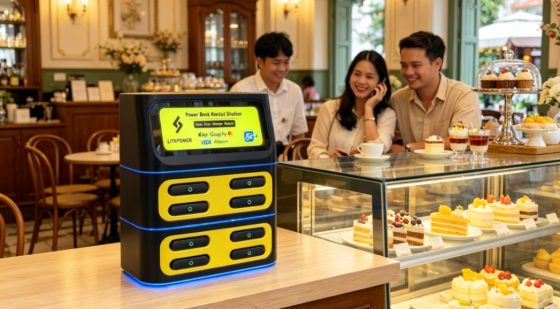
I. Location Strategy and Revenue Optimization
Device Placement Strategy
A successful Myanmar shared power bank project depends heavily on precise location selection and strategic deployment. Blind expansion often leads to low utilization and poor returns. Operators should prioritize high-traffic and high-dwell-time locations, focusing on Yangon and Mandalay’s core commercial zones and tourist-heavy areas. These locations offer strong visitor density and higher payment willingness, making them ideal for Myanmar shared power bank deployment.
Op hetzelfde moment, community-level retail stores and chain convenience shops should be included to build a full-area coverage network. Avoid low-traffic and low-turnover areas to maximize device utilization and improve overall operational efficiency of the Myanmar shared power bank business.
Revenue Differences Across Scenarios
Different offline scenarios in Myanmar generate significantly different performance levels for Myanmar shared power bank operations. Accurate classification of locations is key to improving overall profitability and shortening payback cycles:
- Tourism Scenarios: Locations such as Bagan and Yangon’s Shwedagon Pagoda attract large numbers of tourists. High outdoor activity leads to frequent charging needs, making this the highest-yield segment for Myanmar shared power bank deployment.
- Urban Commercial Scenarios: Shopping malls, chain restaurants, and hotels provide stable foot traffic and consistent demand, ensuring steady baseline income for Myanmar shared power bank operations.
- Convenience Retail Scenarios: Small shops and community stores offer low-cost entry points, suitable for large-scale deployment and network expansion.
High-Value Scenario Recommendations
To maximize profitability, Myanmar shared power bank deployment should focus on three core scenario types. First, major tourism attractions and travel hubs with high visitor volume; second, urban commercial centers, high-end hotels, and popular dining venues targeting young consumers; third, transportation hubs where charging demand is urgent and device turnover is high. These targeted deployments significantly improve revenue performance and reduce idle rates.
II. Zhongdian Core Shared Power Bank Factory
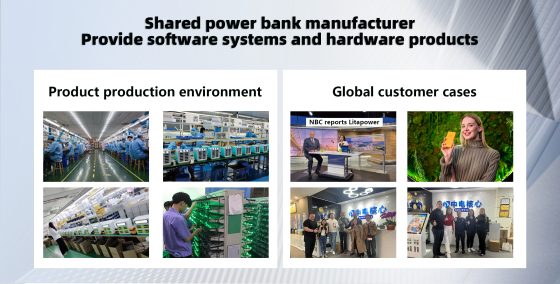
With over a decade of industry experience, Zhongdian Core Shared Power Bank Factory specializes in overseas expansion and provides full-chain OEM/ODM solutions. Its overseas brand Litapower operates in multiple global markets, offering private-label services and helping partners rapidly deploy Myanmar shared power bank projects while capturing Southeast Asia’s growing market opportunities.
The company provides end-to-end services including brand customization, system deployment, and remote management platform development. Even beginners can quickly launch overseas operations. With support for local server deployment, the system ensures stable performance and data compliance, enabling efficient, secure, and sustainable operation of Myanmar shared power bank businesses.