 Bank tal-enerġija tal-kiri,Manifattur tal-bank tal-enerġija kondiviż
Introduction: Why Palestine Is a Middle Eastern Market Worth Watching for Shared Power Bank Expansion
Palestine’s shared power bank market has relatively unique development conditions. On the one hand, tourism is gradually recovering, with pilgrimage destinations such as Bethlehem welcoming international visitors again. On the other hand, unstable electricity supplies in the West Bank are creating new market opportunities through everyday mobile phone usage and outdoor charging needs.
The answer is Palestine. According to data from the Palestinian Ministry of Tourism and Antiquities, Palestine received approximately 280,000 foreign visitors throughout 2025, including around 150,000 visitors to Bethlehem (Palestinian Ministry of Tourism and Antiquities, 2025). Meanwhile, Palestine had 4.86 million internet users, with an internet penetration rate of 86.6% (DataReportal, 2025). This indicates an established mobile internet user base, while the return of tourists is creating new consumption scenarios for shared power bank services.
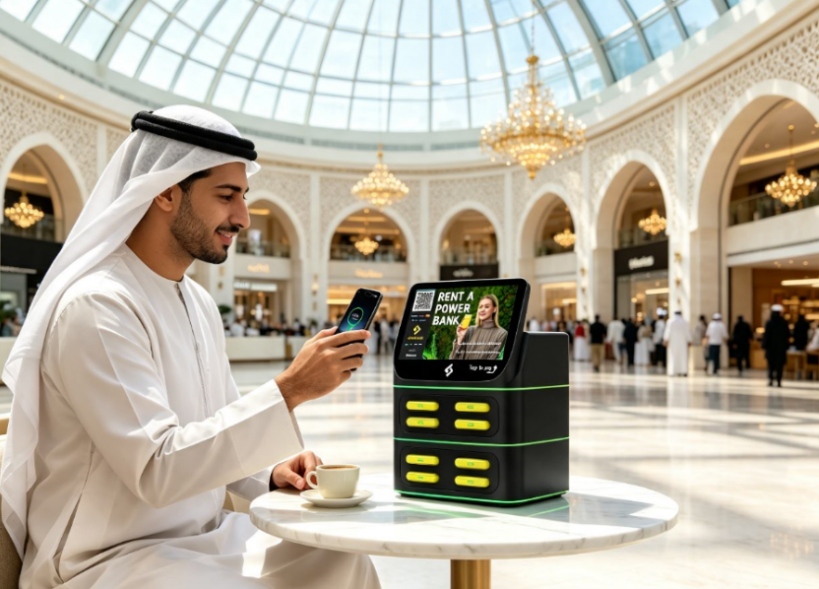
1. Palestine Shared Power Bank Market: Three Key Advantages Worth Watching
Palestine has three notable advantages for shared power bank market development:
Advantage 1 | Recovering Tourism and Pilgrimage Traffic
Palestine received approximately 280,000 foreign visitors in 2025, including around 150,000 visitors to Bethlehem (Palestinian Ministry of Tourism and Antiquities, 2025). The Church of the Nativity, Manger Square, and the surrounding Old City form a concentrated pilgrimage tourism route. Visitors need to use their phones extensively for photography, Navigazzjoni, translation, and transportation information, creating clear demand for shared power bank rentals.
Advantage 2 | A Relatively Mature Mobile Internet Infrastructure
Palestine had approximately 4.86 million internet users in 2025, with an internet penetration rate of 86.6% and around 4.39 million mobile connections (DataReportal, 2025). Widespread internet access provides a user base for QR-code rentals, mobile payments, and online account management. Shared power bank services can offer convenient rental access through apps and QR codes.
Advantage 3 | Charging Demand Driven by Unstable Electricity Supply
In 2025, the West Bank experienced multiple announcements of scheduled regional power outages. Some areas of Ramallah and Bethlehem experienced planned outages lasting 5–7 consecutive hours (JDECo announcements, 2025). For residents, merchants, and tourists spending extended periods outdoors, phone battery life affects not only entertainment but also communication, Navigazzjoni, and everyday transactions. Unstable electricity supplies make portable charging solutions particularly valuable.
2. Market Compliance: PSI Is a Key Requirement for Equipment Import Clearance
Importing electronic and electrical products into Palestine requires attention to the mandatory standards and Certificate of Conformity (CoC) requirements of PSI (Palestine Standards Institution). Shared power bank stations involve electronic control systems, power modules, and wireless communication components, while portable power banks are subject to lithium battery safety requirements. Therefore, equipment imports need to consider product conformity and wireless device import authorization.
According to information published by certification service providers, PSI certification takes approximately 4–8 weeks, with certificates generally valid for 1–3 years (GMA Labs, 2026). Without the required conformity documentation, shipments may be detained by customs or returned.
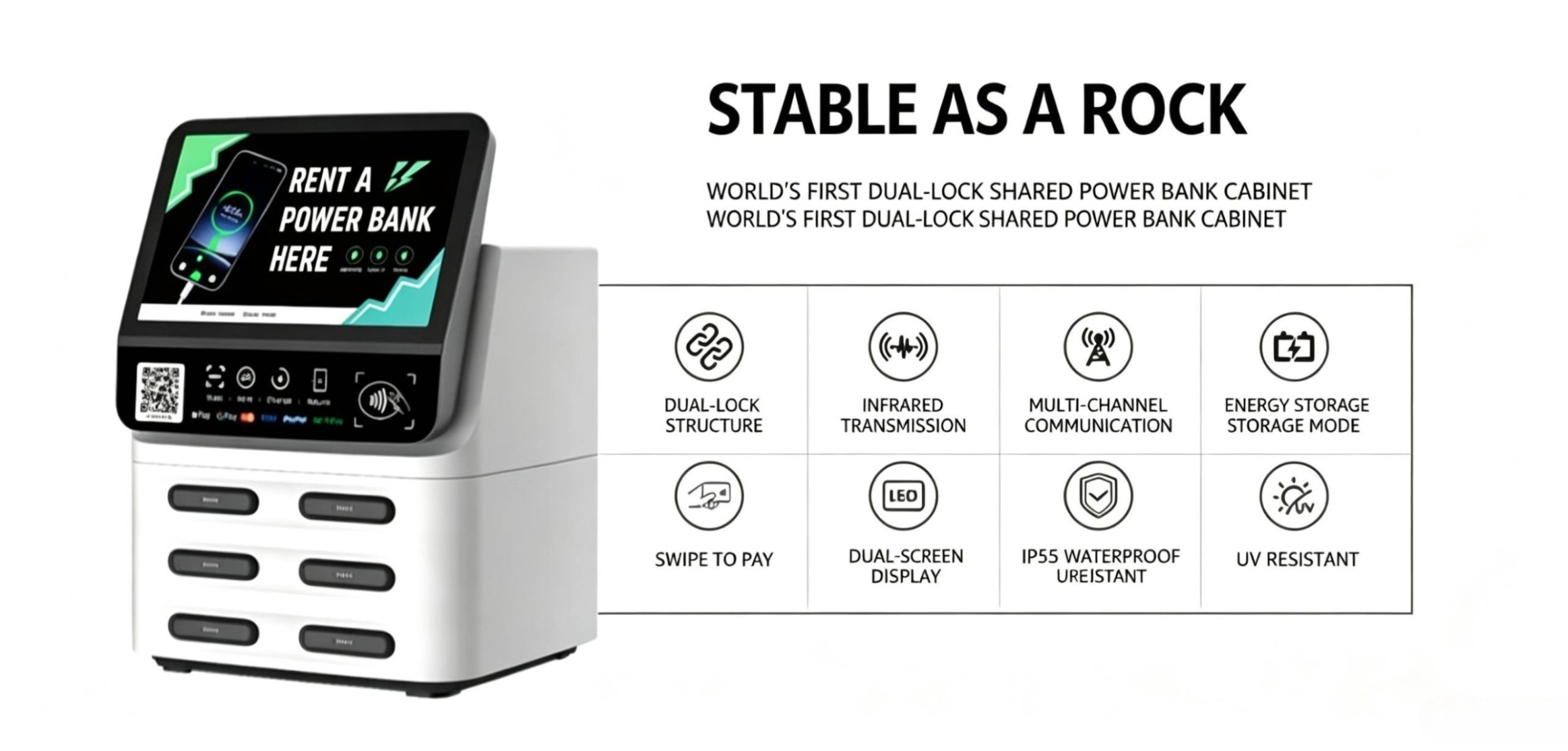
2.1 Three Key Points About PSI Certification
① Scope of Application
Shared power bank stations are classified as electronic and electrical products, primarily involving electrical safety, electromagnetic compatibility (EMC), and energy efficiency requirements. Portable power banks must comply with relevant portable lithium battery safety requirements. Applicable testing references include local standards adapted from IEC 62368, IEC 60950, and other relevant standards.
② Certification Timeline
PSI conformity certification takes approximately 4–8 weeks, and certificates are generally valid for 1–3 years (GMA Labs, 2026). For shared power bank equipment entering the local market, the certification timeline should be included in procurement and shipping arrangements.
③ Import Requirements
Wireless communication modules also require import authorization from the Ministry of Telecommunications and Information Technology (MTIT). Documents such as CE and FCC certificates can serve as supporting technical materials, but they cannot directly replace locally required wireless equipment import authorization.
2.2 Additional Compliance Information
Import Duties and Taxes
Imported electronic and electrical products in Palestine are subject to customs duties and value-added tax (VAT). Available information lists import duties at approximately 0%–30%, with VAT at 16% (Silk Road Enterprise Services, 2026). Importers must also complete the relevant registration procedures with the Palestinian Customs and Tax Authority. Import duties and taxes directly affect the final equipment deployment cost.
2.3 Zhongdian Hexin Compliance Certifications
All shared power bank stations and portable power banks under Zhongdian Hexin Litapower have obtained market access certifications including CCC, CE, FCC, and PSE. The batteries comply with the IEC 62133 portable lithium battery safety standard.
The products also come with CB (IECEE) mutual recognition test reports, meet RoHS hazardous substance restriction requirements, and are supplied with UN38.3 transportation test reports.
3. Payment Ecosystem: Growing E-Wallet Adoption and Bank Card Acquiring
Palestine’s payment environment features a combination of cash, bank cards, and electronic wallets. The region does not have its own independent currency, and everyday transactions mainly use the Israeli New Shekel (ILS), while the Jordanian Dinar and US Dollar are also used in some transactions.
For shared power bank operators, local electronic wallets are suitable for residents, while bank card acquiring services can help cover international tourists.
3.1 Three Advantages of Electronic Wallet Development
① A Growing User Base
The number of registered electronic wallets in Palestine increased from 546,969 before October 2023 biex 1,088,072 as of May 31, 2025, nearly doubling in just over a year (Devdiscourse, citing Palestinian Monetary Authority statistics, 2025). This growth provides a larger potential user base for QR-code rentals and online payments through shared power bank services.
② Government Policies Supporting Digital Payments
In May 2025, the Palestinian government announced the adoption of E-SADAD as the national official electronic payment system, encouraging government ministries to integrate with the platform and promoting digital payment adoption in the private sector (Palestine Cabinet, 2025).
This indicates that digital payments are expanding beyond everyday consumer transactions into public services and commercial activities.
③ Local Acquiring Networks Offer Established Coverage
PalPay’s local acquiring network has more than 6,000 POS locations (PalPay, 2026). For shared power bank operators, local acquiring networks and electronic wallets can provide different payment channels, while international bank cards such as Visa and Mastercard can help serve overseas visitors.
3.2 Litapower’s Payment Integration in Palestine
For projects in Palestine, Zhongdian Hexin Litapower has worked with local operators to complete payment onboarding and API integration testing for PalPay and Jawwal Pay. Payment integration with the rental system’s mobile app has also been completed. Customers independently select their payment service providers, and the contracting entity is the customer’s own company.
In actual operations, local electronic wallets can serve residents, while international bank card acquiring services can provide an additional payment option for overseas visitors. Customers choose their payment channels based on their operating entity and agreements with payment providers. Litapower handles the integration of the relevant APIs into the rental system and charging stations.
4. Key City and Deployment Scenarios for Shared Power Bank in Palestine
Bethlehem and Ramallah are two priority cities to consider for shared power bank projects in Palestine. Bethlehem attracts visitors primarily through pilgrimage tourism and international travel, making tourist attractions, traditional markets, and conference venues suitable deployment locations. Ramallah, by contrast, is characterized by local commerce, government activities, and nighttime consumption, making shopping squares, pedestrian streets, and everyday markets more suitable.
According to the Palestinian Ministry of Tourism and Antiquities, approximately 150,000 foreign visitors traveled to Bethlehem in 2025. The two cities have different user demographics, creating an operational structure that combines tourism-related consumption with everyday local demand.
4.1 Bethlehem: Deployment Around Pilgrimage Tourism Routes
Bethlehem is one of Palestine’s most representative pilgrimage tourism destinations. Manger Square, the Church of the Nativity, and the Old City market form a concentrated pedestrian tourism route. Before the conflict, the Church of the Nativity received approximately 15,000 visitors per day on average during peacetime, according to pre-war visitor figures cited in a 2025 CBS News report. Visitors have ongoing needs for mobile navigation, photography, and communication while waiting in queues, visiting religious sites, and exploring the city.
(1) Manger Square + Church of the Nativity
Manger Square is open 24 hours a day throughout the year. The surrounding area includes the Church of the Nativity, the Mosque of Omar, and the Bethlehem Peace Center. It is an important gathering, resting, and festival activity space for visitors.
Shared power bank stations can be considered at commercial service points, visitor resting areas, and restaurants around the square to meet charging needs while tourists wait, take photographs, and navigate the area.
The Church of the Nativity generally receives visitors between 9:00 AM and 6:00 PM, although actual opening hours vary depending on venue arrangements. Visitors continuously use their phones for photography, translation, and information searches when entering the church, waiting in queues, and exploring nearby attractions. This makes visitor service facilities and commercial areas around the church suitable locations for rental stations.
(2) Old Market + Bethlehem International Convention Center (Convention Palace)
Bethlehem’s Old Market is located behind Manger Square. Traditional shops mainly sell olive wood carvings, embroidery, and tourist souvenirs. Most stores operate approximately from 9:00 AM to 6:00 PM.
Visitors typically spend time shopping, dining, and selecting souvenirs, making souvenir shops, Ristoranti, and surrounding market areas suitable locations for shared power bank stations.
The Bethlehem International Convention Center, also known as Convention Palace, covers approximately 32,000 square meters and includes gardens, a theater, and conference rooms. Its event operating hours are approximately 8:00 AM to 11:00 PM.
Unlike open tourist squares, the convention center mainly hosts exhibitions, cultural activities, and group visitors. Extended indoor meetings and events can provide relatively stable usage scenarios for shared power bank services.
4.2 Ramallah: Deployment Around Commercial Consumption and Everyday Foot Traffic
Ramallah is an important administrative and commercial center in Palestine and one of the more active cities in the West Bank for cafés, Ristoranti, and nighttime consumption.
Unlike Bethlehem, where international tourists are the primary users along pilgrimage routes, shared power bank demand in Ramallah comes mainly from local residents, business professionals, students, and everyday commercial consumers.
(1) Al-Manara Square Commercial District + Rukab Street
Al-Manara Square is a central commercial area in Ramallah. More than 10 hotels are located within approximately 200–900 meters of the square (Booking.com, 2026).
Hotels, cafés, Ristoranti, and business service venues are concentrated in this area, providing access to business travelers, hotel guests, and everyday consumers. Shared power bank stations are suitable for deployment in restaurants, hotel facilities, and commercial service locations surrounding the square.
Rukab Street is one of Ramallah’s representative pedestrian shopping streets, featuring cafés, juice shops, bookstores, mobile phone stores, and other businesses.
Shops generally operate from approximately 9:00 AM to 11:00 PM, with foot traffic becoming more active after 7:00 PM. Compared with daytime office activities, nighttime shopping and leisure activities on Rukab Street tend to last longer. Cafés, Ristoranti, and leisure venues are therefore suitable locations for shared power bank deployment.
(2) Muqata’a Administrative District, Arafat Museum + Hisbeh Agricultural Market and Al-Balad Old City District
The Muqata’a administrative district, Arafat Museum, and Arafat Mausoleum are representative government and cultural landmarks in Ramallah.
The museum generally operates from 9:00 AM to 4:00 PM, although actual opening hours vary by venue. Visitors include government visitors, cultural tourists, and other travelers. Nearby restaurants, visitor service facilities, and indoor public activity spaces are potential locations for shared power bank stations.
Hisbeh Agricultural Market and the Al-Balad Old City district mainly serve everyday shopping and commercial transactions. The market generally operates from 8:00 AM to 6:00 PM, with Saturday through Thursday being its main operating days.
Unlike tourist attractions, agricultural markets serve local residents’ frequent daily activities. Shared power bank stations can be placed in nearby shops, Ristoranti, and commercial service areas throughout the Old City to generate recurring everyday rental demand.
4.3 Deployment and Operations

Zhongdian Hexin Litapower provides overseas brands with shared power bank software and hardware solutions, as well as OEM private-label customization services.
Based on its Middle Eastern shared power bank project experience, an initial Palestine project can start in Bethlehem and Ramallah, deploying 8-slot charging stations around shopping venues and locations with strong nighttime foot traffic.
Operational efficiency can be improved through venue management, backend data analysis, and dynamic pricing. The estimated project payback period is approximately 4–8 months.
5. FAQ
Q1. How large is the shared power bank market in Palestine?
The potential demand for shared power bank services in Palestine can be assessed by considering tourism, internet access, and electricity supply conditions.
In 2025, Palestine received approximately 280,000 foreign visitors, including around 150,000 visitors to Bethlehem (Palestinian Ministry of Tourism and Antiquities, 2025). The country also had approximately 4.86 million internet users, with an internet penetration rate of 86.6% (DataReportal, 2025).
Additionally, the West Bank issued multiple announcements of scheduled regional power outages in 2025, including outage periods such as 8:30 AM–2:30 PM (JDECo, 2025). Tourism traffic, mobile internet usage, and charging needs together provide a foundation for the shared power bank market.
Q2. What certifications or registrations are required to deploy shared power banks in Palestine?
Deploying shared power bank equipment in Palestine primarily involves obtaining a PSI (Palestine Standards Institution) Certificate of Conformity (CoC) and MTIT (Ministry of Telecommunications and Information Technology) wireless equipment import authorization.
According to certification service provider information, PSI certification takes approximately 4–8 weeks, with certificates generally valid for 1–3 years (GMA Labs, 2026).
Imported electronic and electrical products are also subject to customs duties of approximately 0%–30% and VAT of 16% (Silk Road Enterprise Services, 2026). Wireless communication modules must obtain the relevant import authorization in accordance with MTIT requirements.
Q3. What payment methods can Palestinian residents and tourists use to rent shared power banks?
Local users in Palestine can use electronic wallets such as PalPay Mahfazati, Jawwal Pay, Maalchat, Madfoatcom, and NeoCash, as well as local bank cards and cash.
In May 2025, the number of registered electronic wallets in Palestine reached 1,088,072, nearly doubling from 546,969 before October 2023 (Devdiscourse, citing Palestinian Monetary Authority statistics, 2025).
International tourists are better served by international bank card acquiring channels. The Israeli New Shekel (ILS) is the primary currency used in everyday transactions.
Q4. How can investors build their own shared power bank brand in Palestine?
Many local entrepreneurs and investors in Palestine use China’s supply chain to establish their own OEM private-label brands. China’s SaaS systems are among the world’s leading solutions, allowing investors to import equipment, customize it with their local brand identity, and operate independently.
Zhongdian Hexin Litapower serves shared power bank customers in 162 countries and regions worldwide, with more than 800 partner brands.
Q5. How long does it take to recover an investment in a shared power bank project in Palestine?
Based on Zhongdian Hexin Litapower’s shared power bank project experience in the Middle East, a Palestine project deploying 8-slot charging stations in Bethlehem and Ramallah can target pilgrimage tourism, commercial squares, nighttime consumption, and everyday markets.
The estimated project payback period is approximately 4–8 months.
References
1. Palestine Population, Internet Users, and Mobile Connections (DataReportal, 2025)
https://www.datareportal.com/reports/digital-2026-palestine
2. Foreign Visitor Statistics for 2025 (Palestinian Ministry of Tourism and Antiquities, 2025)
https://www.sadanews.ps/en/news/260646.html
3. Church of the Nativity Visitor Statistics (CBS News, 2025)
https://www.cbsnews.com/news/bethlehem-christmas-tree-lighting-ceremony
4. Palestine PSI Equipment Certification Requirements and Certification Timeline (GMA Labs, 2026)
https://www.gmalabs.com/typeapproval/palestine
5. Import Duties and VAT for Electronic and Electrical Products in Palestine (Silk Road Enterprise Services, 2026)
https://qifu.zcqtz.com/article/87826.html
6. Local Payment Acquiring Network in Palestine (PalPay, 2026)
http://palpay.ps/