 Bank tal-enerġija tal-kiri,Manifattur tal-bank tal-enerġija kondiviż
Iran’s shared power bank market is currently in a growth stage. Although it is affected by international payment restrictions and internet penetration levels, demand for shared power banks in Iran is rising rapidly in key cities such as Tehran and Isfahan. Implementing localized payment integration is essential to successfully enter the market and unlock the local sharing economy.
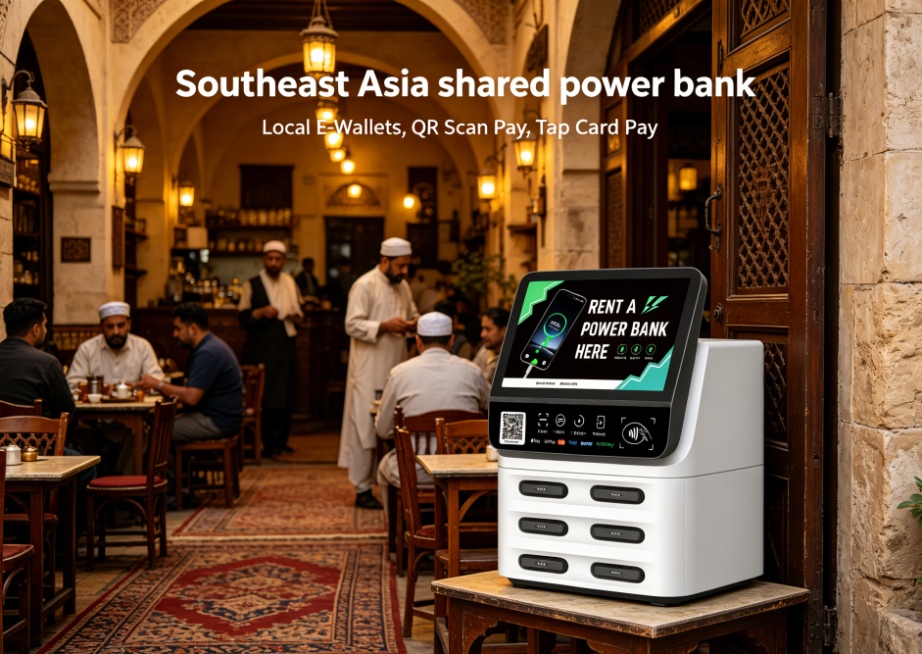
1. Iran Payment Overview
Iran’s payment ecosystem is built around the Central Bank’s Shaparak clearing gateway and the Shetab domestic banking network, forming a closed-loop payment system. QR code, NFC, and POS payments rely on dedicated domestic interfaces, while mainstream international payment channels are not available.
QR Code Payment:
Local payment gateways such as ZarinPal and IDPay are widely integrated across merchants, attrazzjonijiet turistiċi, and retail stores for small-value transactions. All payments are ultimately settled through the Shaparak clearing system, with no access to international QR payment platforms.
NFC Payment:
Supports Hamrah Card mobile wallet NFC payments, compatible only with Iran’s domestic Shetab banking cards. Due to sanctions and restrictions, international NFC systems such as Apple Pay and Google Pay are not available.
2. Iran Shared Power Power Bank Mobile Payment
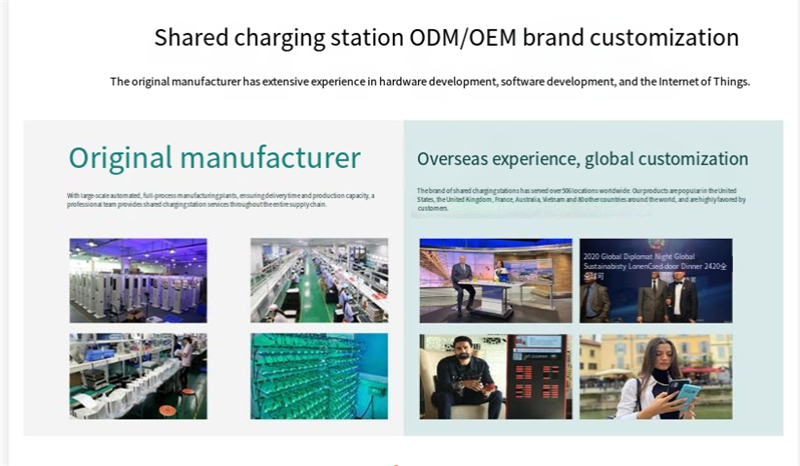
In Iran shared power bank mobile payment scenarios, Zhongdian Hexin factory provides customized hardware and software solutions designed for the Asian shared power bank market. The company has completed full integration with Iran’s local payment systems and supports independent software deployment, as well as OEM branding services, helping partners achieve stable profitability and scalable deployment in Iran.
In terms of payment integration, Iran shared power banks primarily support ZarinPal and IDPay for QR code payments, covering small-value rental scenarios in shopping malls, convenience stores, and tourist areas.
For NFC payments, Iran shared power banks support Hamrah Card mobile wallet NFC transactions, mainly used in high-end commercial districts and hotels. Additionally, the system is compatible with the Shetab banking network, providing POS card payment support as a supplementary method.
In a highly closed financial environment, Iran shared power bank deployment relies heavily on localized financial infrastructure and aggregated payment solutions, while commercial and tourism areas in major cities continue to offer strong expansion potential.