 Bank kuasa sewa,
The global shared power bank industry has expanded rapidly in recent years. According to YHResearch, global shared power supply market revenue is projected to reach RMB 2.659 billion by 2031, with North America, Europe and Southeast Asia expected to be major growth drivers. As shared power bank services become more widely adopted worldwide, partnering with shopping malls and commercial districts offers operators an opportunity to increase brand visibility while helping venue partners attract and retain customers. Together, they can build a mutually beneficial commercial ecosystem.

I. Why Are Shopping Malls Ideal Locations for Shared Power Banks?
Shopping malls are major offline traffic hubs, making them a natural fit for shared power bank services. Their visitor profiles, mobile phone usage patterns and average dwell times create favorable conditions for power bank rental businesses. Shoppers, diners and leisure visitors often spend one to three hours or longer in a mall, during which their phones may require recharging.
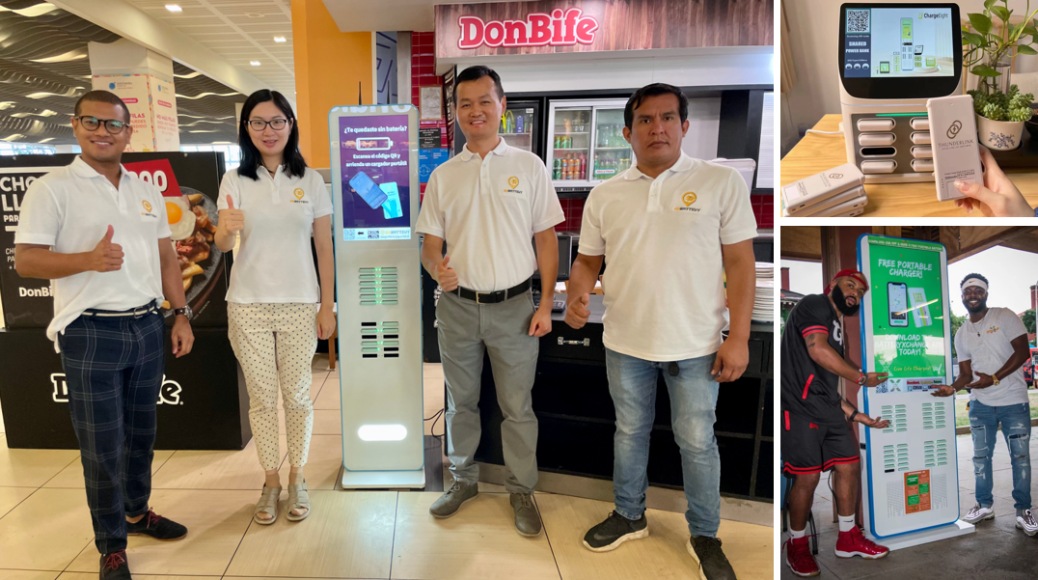
(1) Strong demand in everyday scenarios
Customers frequently use smartphones while shopping, dining and watching movies. Comparing prices, taking photos, navigating stores and making payments can quickly drain a phone battery. A convenient charging service helps prevent low-battery situations from disrupting the customer experience.
(2) Better customer satisfaction and longer visits
Convenient charging reduces battery anxiety and may encourage visitors to stay longer. Additional time in a shopping mall can create more opportunities for dining, entertainment and impulse purchases, potentially supporting higher venue revenue.
(3) Stronger branding and a modern image
Smart, customer-focused amenities demonstrate a shopping mall’s commitment to innovation and service quality, helping strengthen its overall brand image.
From premium department stores and outlet malls to large shopping complexes and airport duty-free shops, shared power banks have evolved from an optional convenience into a valuable part of the offline retail service infrastructure. Shopping malls are therefore among the most promising locations for deployment.
II. Multiple Revenue Models: Building Strategic Partnerships
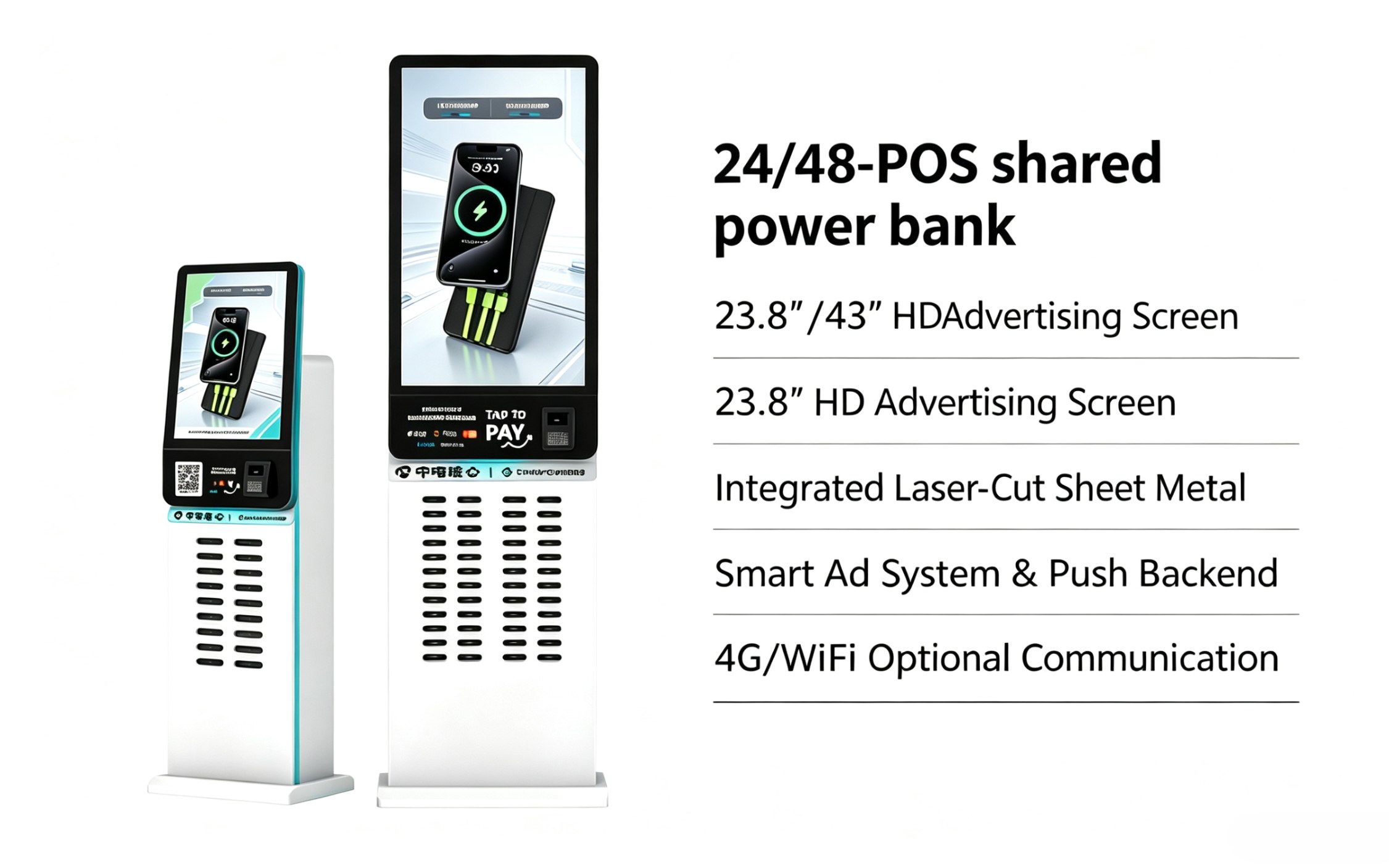
Across North America, Europe, Southeast Asia and Australia, shopping malls and local shared power bank operators have developed several partnership models. Drawing on its industry experience, Litapower outlines four practical approaches.
1. Fixed Rent or Space Rental
How it works: The shared power bank operator pays the shopping mall a fixed rental fee for designated locations, such as customer service desks, food courts or cinema entrances. Rental rates generally depend on foot traffic, the number of devices and the value of each location.
Best suited for: Early-stage partnerships or malls that view charging as a basic customer amenity rather than a major revenue stream.
The mall receives predictable rental income without taking responsibility for daily operations or maintenance. For operators, the agreement is straightforward and can offer a relatively accessible way to enter the venue.
2. Revenue-Sharing Model
Revenue sharing is a widely used approach for building long-term partnerships based on shared incentives and mutual growth.
How it works: The mall provides the space, while the operator handles equipment deployment, maintenance and customer service. Rental revenue is divided according to an agreed ratio, such as 30/70 or 40/60. The actual split depends on negotiations and each party’s contribution.
The mall monetizes its existing foot traffic, with income linked to usage. Both parties can work together to optimize station locations and run joint promotions.
For operators, revenue sharing can reduce upfront site costs and leave more resources available for operational improvements and customer experience, creating a stronger long-term partnership.
3. Membership Programs and Marketing Integration
This forward-looking model connects charging services with the shopping mall’s membership program and marketing activities.
How it works:
- Points redemption: Members exchange loyalty points for charging time, making points more useful and encouraging program engagement.
- Purchase incentives: Customers who meet a spending threshold receive free charging vouchers, potentially encouraging higher spending.
- Targeted marketing: Through a mini program or app, operators can promote mall offers, coupons and store navigation to encourage return visits.
This model turns a one-time rental into a customer retention tool. It can create a cycle of charging, shopping, earning points and charging again, strengthening engagement and increasing the potential value of each customer relationship.
4. Private-Label Customization and Exclusive Partnerships
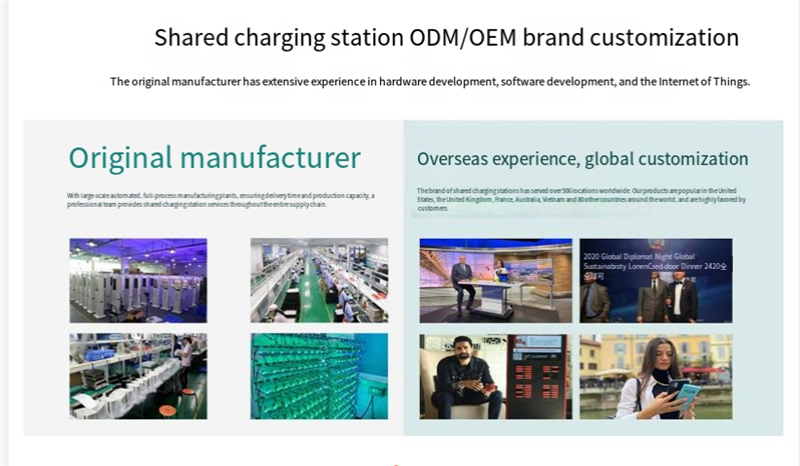
Premium shopping malls and flagship commercial districts often require consistent service standards and a carefully managed brand image. Litapower provides shared power bank hardware and software solutions, along with OEM/private-label customization. Options include power bank logos, station appearance customization and secondary development of hardware and software.
An exclusive partnership agreement can designate a single service provider for the mall, helping maintain a consistent user experience and avoid a fragmented brand presence. This integrated approach can improve service quality while giving the operator access to a broader customer base across the venue.
III. Key Factors for Successful Partnerships
Regardless of the selected model, successful deployment depends on several practical factors.
Strategic placement based on user behavior: Do not focus only on entrances. Prioritize areas where visitors spend more time, including restaurants, cinemas, children’s play areas, lounges and customer service desks.
A smooth user experience: Support local payment methods and major international payment options. Keep QR-code rental simple, and consider NFC and POS card payments. Deploy stations at multiple locations and support returns at other nearby stations where the network allows.
Reliable technology and maintenance: Use real-time backend monitoring, prompt fault response and regular inspections to maintain stable service. A target device availability rate above 99% should be supported by clear measurement standards and effective maintenance procedures.
Clear signage and wayfinding: Match station signage to the mall’s interior design and use directional signs or digital directories to help customers find charging points quickly.
Flexible partnership terms: Maintain regular communication and adjust agreements as demand changes. A hybrid arrangement, such as a basic rental fee during low season combined with revenue sharing during peak season, may suit some locations.
IV. Conclusion
For modern shopping malls and commercial complexes, shared power bank deployment is more than an upgrade to basic amenities. It can improve customer experience, create opportunities to monetize foot traffic and support more digitalized retail operations. By addressing customers’ battery needs, shared charging services can help turn existing visitor traffic into measurable commercial value.
If you are looking for a reliable partner to bring this business opportunity to market, Litapower offers shared power bank solutions, software support and OEM/private-label services to help operators build and grow their own businesses.