 レンタルパワーバンク,共有パワーバンクメーカー
Liechtenstein Shared Power Banks have become a typical example of a niche high-value market in Europe. With ultra-high per capita income, dense international tourist flows, mature digital payment systems, and an almost blank competitive landscape, Liechtenstein has become a preferred testing ground for global Shared Power Bank brands. Success in Shared Power Banks in Liechtenstein depends on precisely understanding technical compliance and local adaptation, selecting high-value deployment scenarios, and executing refined operations. This article analyzes the Liechtenstein Shared Power Bank market from three dimensions: market potential, local brand presence, and core deployment scenarios, helping new entrants clearly grasp the growth logic and implementation path of Shared Power Banks in Liechtenstein.
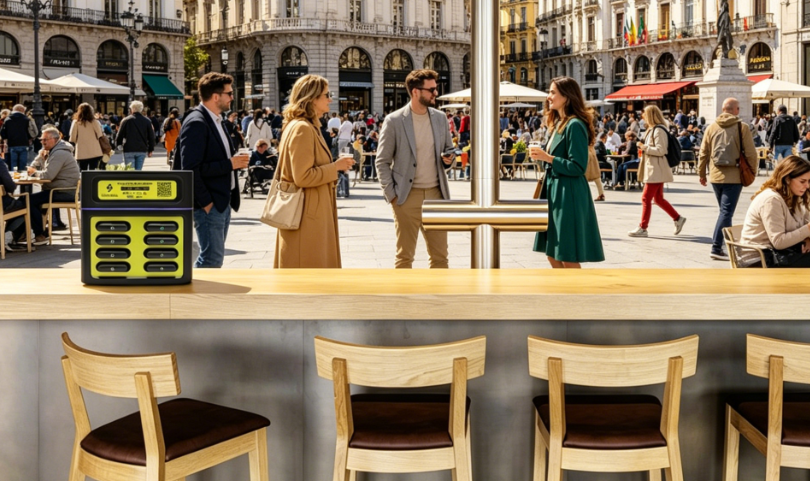
I. Market Potential and Development Prospects of Shared Power Banks in Liechtenstein
The Liechtenstein Shared Power Bank market has enormous potential and is one of the few blue ocean growth markets in Europe. Clear demand, strong purchasing power, minimal competition, and a friendly policy environment form four core advantages supporting long-term growth.
- Solid economic foundation and strong willingness to pay
Liechtenstein’s per capita GDP exceeds $180,000, ranking among the highest globally. Residents and tourists have low price sensitivity and are willing to pay a premium for convenience. Shared Power Banks in Liechtenstein can adopt premium pricing, charging CHF 3–5 per hour, with a daily cap of CHF 12–15. User acceptance is high, and single-device revenue far exceeds the European average, providing a high-profit margin. - Tourism-driven economy with concentrated demand scenarios
Liechtenstein receives over 1 million international visitors annually. Attractions such as Vaduz Castle, Malbun Ski Resort, Rhine Valley hiking areas, and Triesenberg scenic viewpoints see continuous visitor flow throughout the year. High-frequency smartphone use for photography, navigation, ticketing, and social media creates strong charging demand. Public free charging facilities are scarce. During peak seasons (winter skiing, summer hiking), device turnover can reach 8–12 times per day, indicating explosive demand. - High digitalization and mature payment habits
Smartphone penetration in Liechtenstein exceeds 95%, with widespread adoption of mobile payments (Apple Pay(アップルペイ), グーグルペイ, credit cards, PayPal). Both local residents and international visitors are accustomed to QR code-based, cashless transactions. Shared Power Banks in Liechtenstein can seamlessly integrate with the local payment system, enabling QR code rentals, automatic settlement, and registration-free access, lowering user barriers and increasing device utilization. - Blank competitive landscape and optimal entry window
Currently, Liechtenstein has no local professional Shared Power Bank brands. Only a few hotels and cafes place small quantities of power banks sporadically, with no standardized network, unified pricing, or large-scale operations. The market is at an absolute early stage, with ample untapped locations and low user education costs. Entering now allows new players to quickly secure prime locations in Vaduz, Malbun, and Stein, establishing a first-mover advantage and market barrier to become a leading Shared Power Bank brand in Liechtenstein.
II. Local Brands and Operations of Shared Power Banks in Liechtenstein
The Liechtenstein Shared Power Bank market is still in its infancy. Local brands are nearly nonexistent, with only three types of players present: small businesses with their own devices, international brand pilot deployments, and niche regional brands testing the market. No competitive landscape has formed. A few European Shared Power Bank brands (e.g., Chimpy from Switzerland, ChargeFuze from Germany) have attempted entry but only deployed a small number of devices at 1–2 core locations such as Vaduz Airport and central train stations. They did not cover all scenarios, establish local operations teams, or deeply adapt to Liechtenstein’s payment and consumption habits.
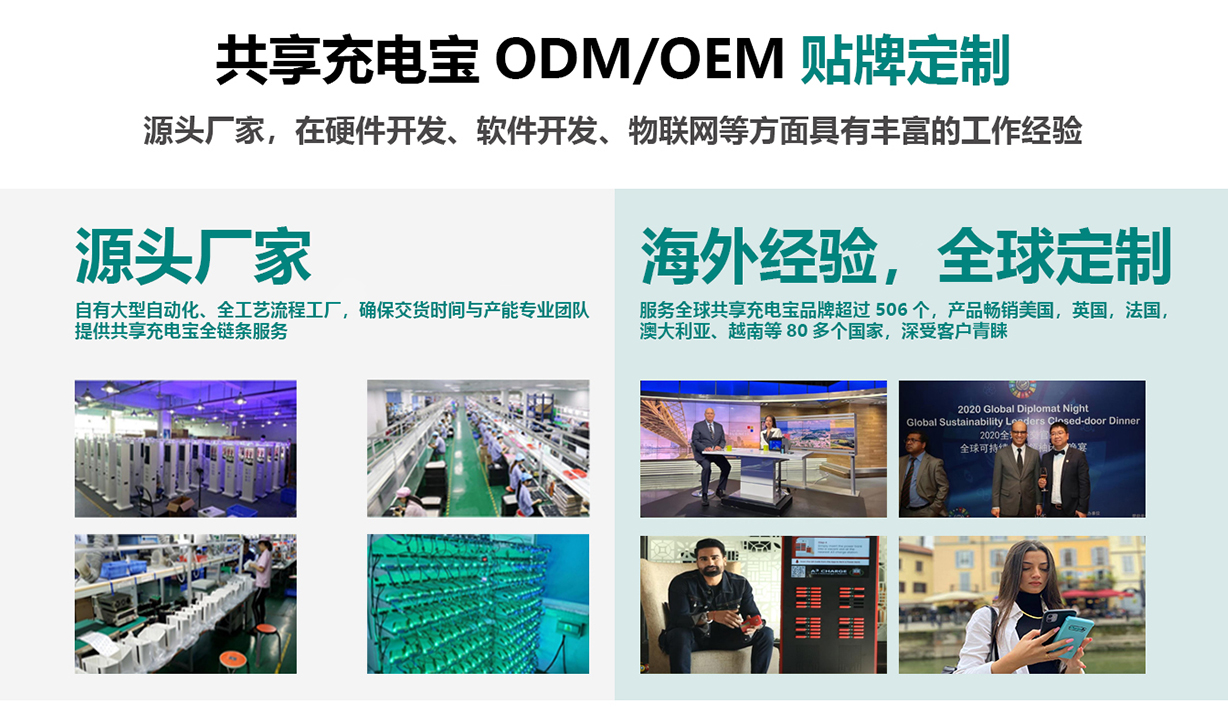
Professional brands such as Zhongdian Core’s Litapower provide an excellent entry opportunity. Litapower has completed multiple pilot deployments across Liechtenstein. Through real-time operations and data analysis, Litapower continuously optimizes device placement, improving usage rates and user satisfaction.
Litapower can quickly adapt to Liechtenstein’s payment systems (supporting Visa, Mastercard, Apple Pay(アップルペイ), グーグルペイ, PayPal, and Swiss EPS), consumer habits, and business environment. It gradually achieves large-scale deployment across multiple Shared Power Bank scenarios. Litapower offers an integrated “hardware-software + operational support” solution, with 6-port tabletop, 12-port wall-mounted, and 24-port floor-standing units with screens. Custom solutions can be provided according to partner needs, perfectly meeting operational requirements for different Liechtenstein Shared Power Bank scenarios.
III. Deployment Scenarios and Market Entry Strategy for Shared Power Banks in Liechtenstein
In Liechtenstein, optimal deployment scenarios for Shared Power Banks primarily include commercial districts, tourist attractions, office spaces, and transportation hubs. Large shopping centers and high-end commercial areas are core deployment locations, with long user dwell times, high spending, and high device utilization. Vaduz Castle Square, ski resort entrances, Rhine Valley scenic spots, and popular hiking trails see significant battery demand from both tourists and locals for navigation, photography, and payment, making these locations key demand-driven deployment points.
Shared Power Banks in Liechtenstein represent the golden blue ocean of Europe’s high-end sharing economy. With enormous market potential, a blank competitive landscape, clear deployment scenarios, and a mature revenue model, Liechtenstein is an ideal destination for global Shared Power Bank brands looking to expand internationally.