 レンタルパワーバンク,共有パワーバンクメーカー
Norway is known for its high standard of living, advanced digital infrastructure, and attractive tourism destinations. Oslo, Bergen, and Trondheim welcome visitors with shopping districts, レストラン, cultural attractions, and convenient transport connections. Outdoor tourism, seasonal events, and busy urban lifestyles also create situations where people rely on smartphones for navigation, tickets, bookings, and payments. A phone charging station can provide convenient charging access while creating additional revenue opportunities for local businesses. As the European shared power bank market develops, Norway offers potential for operators with a suitable location strategy and reliable equipment.
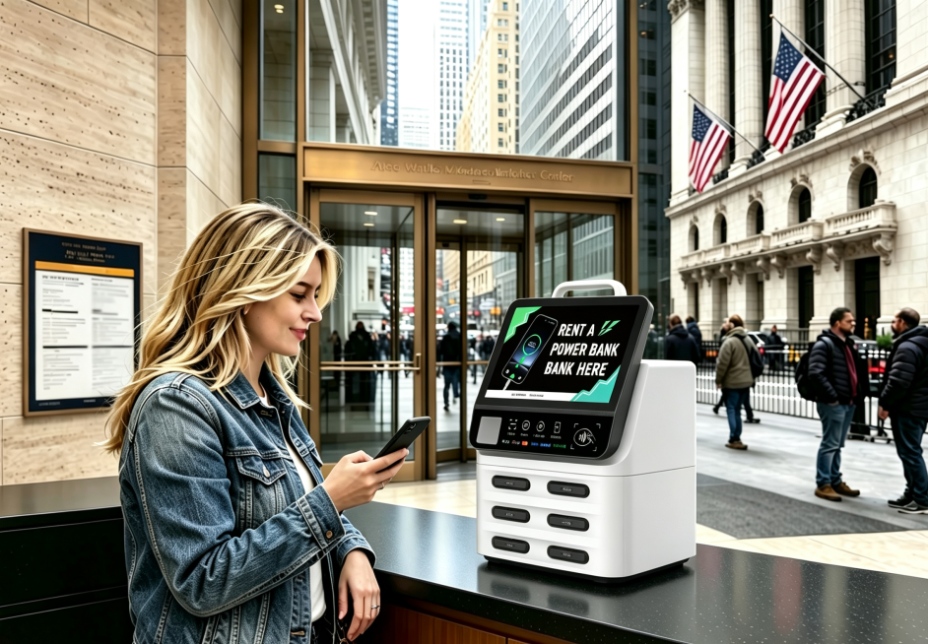
I. Norway Phone Charging Station Market Analysis and Strategy
Norway’s widespread use of digital services and cashless payments supports the development of convenient rental services. Visitors often use smartphones throughout the day, particularly when traveling between attractions, using public transport, or attending concerts and sporting events. A phone charging station allows customers to rent a power bank when their battery runs low and return it after use.
For investors, Oslo is a practical starting point because of its commercial activity, transport network, and visitor traffic. Bergen’s tourism industry and Trondheim’s urban centers may also provide expansion opportunities. Potential locations include railway stations, ショッピングセンター, レストラン, ホテル, entertainment venues, and busy pedestrian areas.
Norway market entry and implementation steps:
(1) Localized deployment
Provide Norwegian and English interfaces for local users and international visitors. Payment integration can include Visa, Mastercard, and suitable mobile payment options such as Vipps, depending on provider availability and terminal compatibility. A phone charging station should offer clear rental prices, a simple user journey, and convenient return instructions.
(2) Station placement
Consider an initial pilot deployment of 100–300 units across selected locations, subject to investment budgets and venue agreements. Prioritize Oslo’s transport hubs, shopping districts, レストラン, tourist areas, and event venues. Track rental frequency and operating expenses before expanding into Bergen, Trondheim, or other cities.
(3) Backend management and operations
A remote management platform can monitor equipment status, rental orders, revenue, and location performance. Operators can use these insights to adjust prices, relocate underperforming stations, launch promotions, and improve utilization. Data-driven decisions help a phone charging station network grow in line with actual customer demand.
II. How to Launch and Profit from a Phone Charging Station in Norway
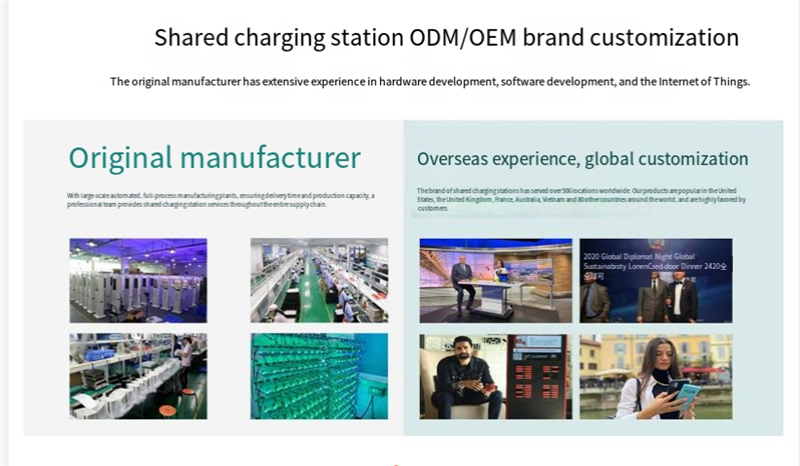
Zhongdian Hexin, through its overseas brand Litapower, provides shared power bank hardware, software systems, and OEM/ODM customization services. With operations across more than 80 countries and regions and experience serving over 300 shared power bank brands, Litapower supports partners developing their own local charging businesses.
A phone charging station solution for Norway can include rental stations, portable power banks, management software, multilingual interfaces, payment integration, and customized branding. A phone charging station for business can be tailored to different venues, while a portable charger station or phone charger vending machine provides additional deployment options.
Norway phone charging station revenue models
The primary revenue source is rental fees based on usage duration. Operators can adjust prices according to demand, rental periods, and special events. Stations with advertising screens may generate extra income through local advertising partnerships. Membership programs, prepaid packages, and promotional offers can encourage repeat rentals.
To build a sustainable phone charging station business in Norway, investors should validate local demand, secure suitable venue partnerships, select reliable equipment, and optimize operations through backend data. Starting with a focused pilot and expanding according to performance can help control investment risks and establish a recognizable local brand.