 レンタルパワーバンク,共有パワーバンクメーカー
Introduction: Why Is Israel a Middle Eastern Market Worth Considering for Shared Power Banks?
Israel has a high internet penetration rate, a mature digital payment system, and two major commercial and tourist cities: Tel Aviv and Jerusalem. For shared power bank operators, combining tourist traffic, everyday commercial consumption, and mobile payments is a key consideration when entering the local market.
The answer is Israel. で 2025, Israel received 1.34 million inbound visitors, including 1.32 million overnight visitors, representing year-on-year growth of 37.8% (Israel Central Bureau of Statistics, 2025). The country had 8.72 million internet users, with an internet penetration rate of 91.3% (DataReportal, 2025). Mobile connections reached 10.4 million, equivalent to 109% of the population. These figures indicate a strong foundation for mobile device usage alongside a recovering tourism market.
This article focuses exclusively on Israel and examines shared power bank market opportunities and implementation strategies from four perspectives: three key market advantages, SII standards certification and Ministry of Communications (MoC) type approval, the digital payment ecosystem, and location-based opportunities in Tel Aviv and Jerusalem.
1. Israel’s Shared Power Bank Market: Three Key Advantages
Israel has three important advantages worth considering for the development of its shared power bank market.
Advantage 1 | Recovery in tourism and demand from international visitors — Israel received 1.34 million inbound visitors in 2025, including 1.32 million overnight visitors, representing year-on-year growth of 37.8%. Tourism revenue reached USD 3.188 billion (Israel Central Bureau of Statistics, 2025). International visitors rely on their phones for navigation, モバイル決済, social media, and instant communication at airports, ホテル, historical attractions, and dining districts. These activities create demand for shared power bank rentals across multiple locations.
Advantage 2 | A mature mobile internet infrastructure — Israel has a population of approximately 9.55 million, with 8.72 million internet users and an internet penetration rate of 91.3%. Mobile connections reached 10.4 million, while social media user identities totaled 7.01 million (DataReportal, 2025). The number of mobile connections exceeds the country’s population, reflecting a strong foundation for smartphone and mobile communication usage. For shared power bank services, this provides favorable conditions for QR-code rentals, online payments, and app-based management.
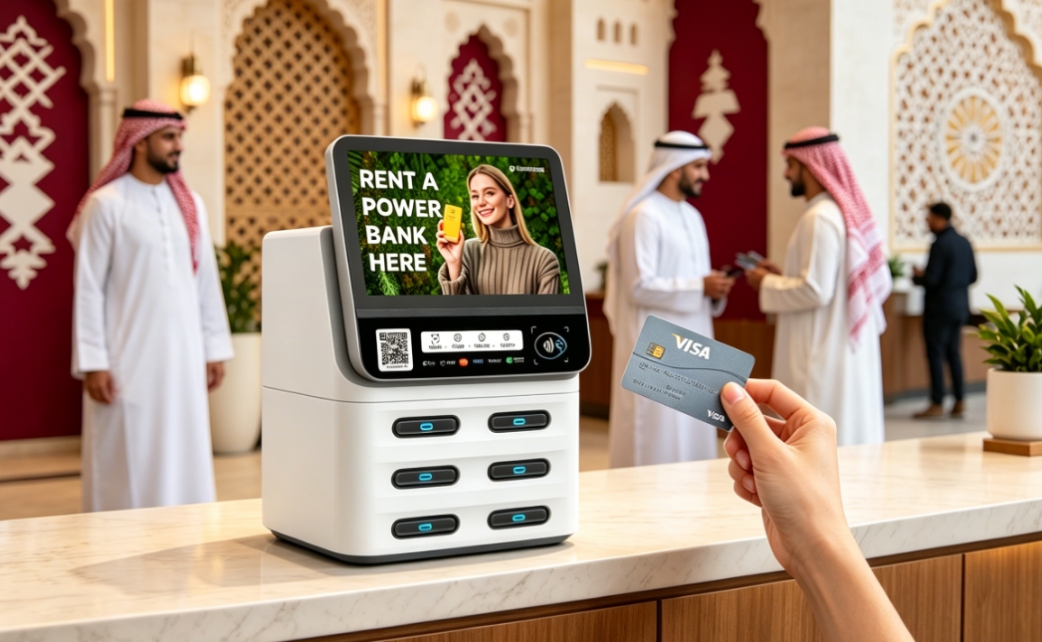
Advantage 3 | Increasing frequency of digital payments — According to the Bank of Israel’s Banking Supervision Department, 47% of Israelis used digital wallets weekly in 2025, compared with only 5% in 2019. Digital wallet transaction value reached approximately ILS 98 billion, an increase of 44.9% year on year, accounting for more than 41% of in-store card spending (Bank of Israel, Banking Supervision Department, 2025). Digital wallets are becoming an important everyday payment method, supporting combined collection models for shared power banks through QR codes, electronic wallets, and bank cards.
2. Market Compliance: SII and MoC Are Two Key Regulatory Requirements
Entering the Israeli market with shared power bank equipment requires particular attention to electrical safety, battery standards, and wireless communication type approval. Battery safety is governed by relevant standards issued by the Standards Institution of Israel (SII). Portable power banks are subject to SI 62133 Part 1/2, which became mandatory on May 28, 2022 (Intertek, 2022).
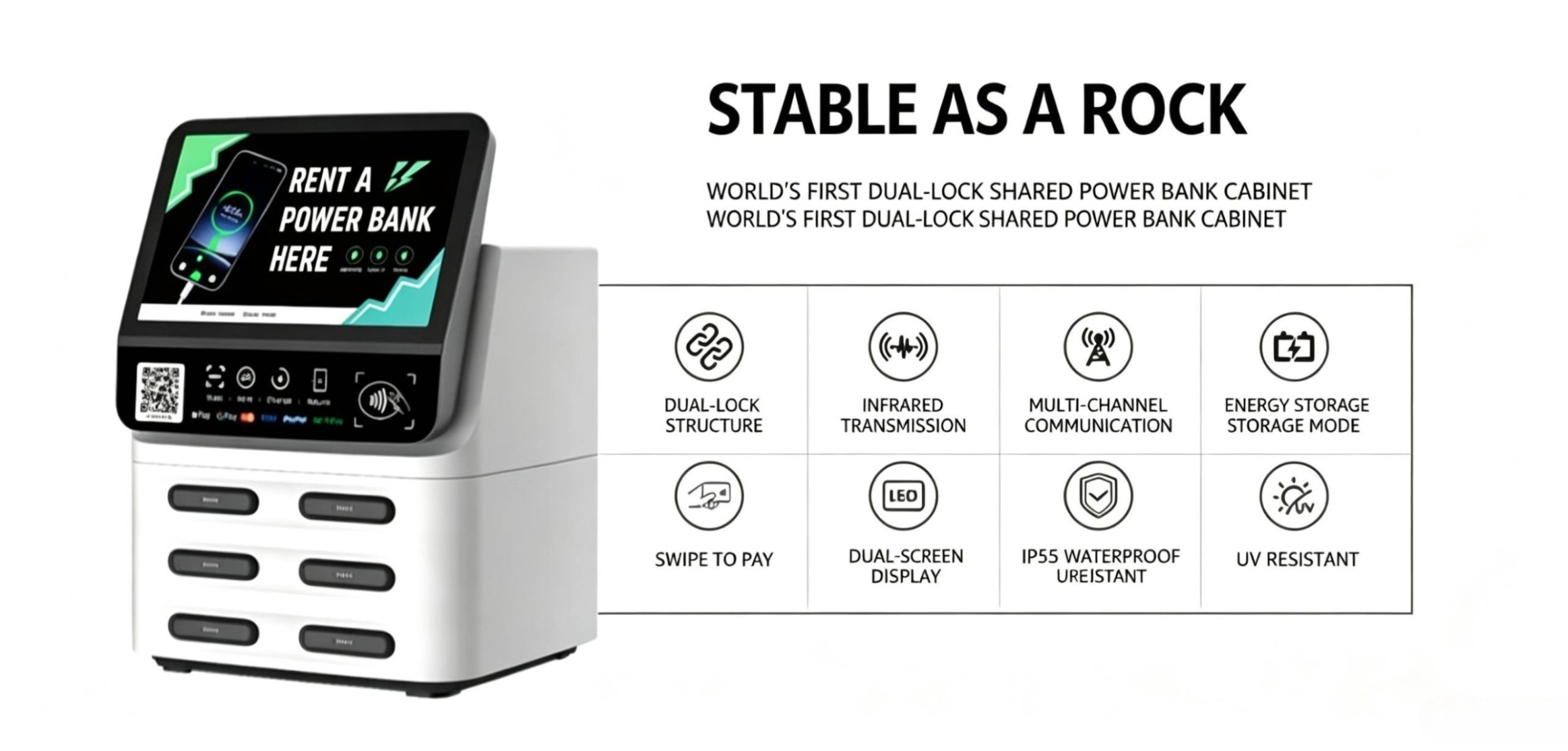
同時に, shared power bank cabinets containing Bluetooth, Wi-Fi, or cellular communication modules are subject to wireless equipment type approval by Israel’s Ministry of Communications (MoC). Reforms implemented in 2025 to recognize qualifying European-compliant products have reduced some duplicated compliance costs, but they have not eliminated the separate approval requirements for wireless equipment.
2.1 Three Key Requirements for Equipment Entry into Israel
① Scope of application — Power banks and related battery products are subject to SI 62133 Part 1/2, corresponding to IEC 62133-1/2:2017. Lithium battery imports also involve UN38.3 transportation test reports, MSDS documents, and other relevant transportation safety documentation.
② Certification timeline — Equipment containing wireless communication modules must apply for type approval from Israel’s Ministry of Communications (MoC). Certificates are issued only to a local representative in Israel. The approval process takes approximately 8–9 weeks, and certificates are valid for two years (FGX, 2026).
③ Certification costs — Publicly available local sources do not provide a unified certification fee schedule for SII and MoC approval specifically applicable to shared power bank cabinets. Actual costs depend on the equipment model and specific testing requirements.
2.2 Additional Considerations
① Environmental recycling registration — Israel’s Environmental Treatment of Electrical and Electronic Equipment and Batteries Law, 5772-2012, requires relevant importers and manufacturers to assume responsibility for electronic waste collection and recycling. Annual recycling targets for electronic waste involve 50% of the weight of products sold annually, while battery-related targets range from 25% 宛先 35% (Knesset Research and Information Center, 2024). From 2024 宛先 2029, recognized compliance organizations include MAI and T.A.M.I. Failure to meet these obligations may result in enforcement procedures.
② Permits for public-space deployment — In October 2025, the Tel Aviv Administrative Court overturned a municipal ruling concerning permits for commercial occupation of sidewalks. The transition period was set at a maximum of six months (Chinese Headlines Israel, 2025). Therefore, deploying commercial cabinets in public spaces requires attention to formal planning and municipal permit requirements. Commercial leasing inside shopping malls should not be treated as equivalent to placing equipment on public sidewalks.
2.3 Zhongdian Hexin’s Compliance Certifications
All shared power bank cabinets and power banks under Zhongdian Hexin Litapower have obtained market access certifications including CCC, CE, FCC, and PSE. The batteries comply with the IEC 62133 safety standard for portable lithium batteries. The products also hold CB (IECEE) mutual recognition test reports, comply with RoHS restrictions on hazardous substances, and are supplied with UN38.3 transportation test reports.
3. Payment Ecosystem: Growing Digital Wallet Usage and Support for International Bank Cards
Israel’s payment ecosystem is expanding beyond traditional bank card transactions toward greater use of digital wallets. For shared power banks, which involve small-value, high-frequency, and immediate transactions, local digital wallets such as Bit and PayBox, together with international payment methods such as Visa, Mastercard, and Apple Pay, are well suited to the service model.
3.1 Three Advantages of Digital Wallets
① User adoption — According to the Bank of Israel’s Banking Supervision Department, 47% of Israelis used digital wallets weekly in 2025, a significant increase from 5% in 2019. Digital wallets have therefore established a strong foundation in everyday consumer payments (Bank of Israel, Banking Supervision Department, 2025).
② Transaction value — Digital wallet transaction value reached approximately ILS 98 billion in 2025, increasing by 44.9% year on year and accounting for more than 41% of in-store card spending (Aurora Israel, 2025). Shared power bank rentals are generally low-value transactions, and digital wallets can reduce the number of steps users need to complete payment.
③ Convenience for international visitors — Apple Pay and Google Pay in Israel can be linked to overseas Visa and Mastercard bank cards, providing international visitors with familiar mobile payment options. Supporting both international bank cards and local wallets allows operators to accommodate visitors with different payment habits.
3.2 Litapower’s Current Payment Integration in Israel
For its Israeli projects, Zhongdian Hexin Litapower has worked with local operators to complete the launch and interface integration testing of three payment methods: Bit, PayBox, and Apple Pay. Payment integration on the rental system’s app has also been completed. Customers independently select their preferred payment service providers, and the contracts are signed under their own companies.
4. Key City and Location Opportunities in Israel
Deployment in Israel can focus on two distinct location strategies in Tel Aviv and Jerusalem. Tel Aviv is characterized by commercial consumption, seaside leisure, and nightlife, while Jerusalem offers opportunities related to historic districts, sightseeing, and market shopping.
At the national transportation level, Ben Gurion Airport handled 19.16 million passengers in 2025, including 18.47 million international passengers, representing year-on-year growth of 33% (Israel Airports Authority, 2025). Airport traffic, together with commercial and tourism activities in the two cities, forms an important source of potential demand for shared power banks.
4.1 Tel Aviv: Commercial Consumption and Seaside Nightlife
Tel Aviv is an important commercial and startup center in Israel. Its consumer locations include cafés and restaurants, indoor shopping areas, seaside leisure destinations, and nightlife venues. The Tel Aviv Light Rail Red Line carries approximately 120,000 passengers per day (Chinese Embassy in Israel, 2025), demonstrating the close relationship between transportation and commercial activity.
(1) Rothschild Boulevard + Sarona Market: Café Culture, Dining, and Indoor Shopping
Rothschild Boulevard is one of Tel Aviv’s representative pedestrian and dining districts, with cafés, バー, and business activity spaces nearby. The area remains active throughout the day, while dining venues often operate late into the night. Shared power bank cabinets can be placed around restaurants, cafés, and leisure areas where visitors tend to spend time.
Sarona Market is a major indoor food market in Tel Aviv, featuring 91 shops and approximately 8,700 square meters of commercial space. It receives around 1.4 million visitors annually, based on the visitor figures reported by Access Israel in 2023. The market operates seven days a week, with concentrated dining, food retail, and leisure activities. Visitors typically spend time inside, making the main entrances, dining areas, and public seating spaces suitable locations for shared power bank cabinets.
(2) Tel Aviv Port + Dizengoff Center: Seaside Leisure and Shopping
Tel Aviv Port is an important seaside leisure and commercial area, attracting approximately 4.3 million visitors annually (Bein Harim Tours, 2026). Its commercial environment combines waterfront promenades, markets, レストラン, and bars. The activities of tourists and local residents often continue into the evening, making dining areas and leisure spots suitable locations for shared power bank services.
Dizengoff Center is an important shopping mall in central Tel Aviv, with more than 420 stores across five floors (Israeltours4u, 2026). Its opening hours cover both daytime and evening periods. The mall includes electronics retailers, レストラン, and shopping outlets. Visitors tend to spend relatively long periods inside, making food courts, shopping routes, and public seating areas suitable locations for shared power bank cabinets.
4.2 Jerusalem: Historic Tourism, Markets, and Evening Activities
Demand for shared power banks in Jerusalem is closely related to sightseeing in the Old City, religious tourism, commercial pedestrian streets, and market shopping. Before the war, Jerusalem’s Old City received approximately 3.5 million visitors annually, based on 2023 figures. Visitors frequently use their phones for navigation, photography, and checking information about attractions while exploring the area.
(1) Mahane Yehuda Market + First Station: Market Shopping and Evening Activities
Mahane Yehuda Market has more than 250 businesses, according to rolling figures published on the market’s official website in 2026. During the day, it mainly focuses on food, fresh produce, and specialty goods. In the evening, the area transforms into a hub for bars and dining. This creates a continuous consumption pattern, from daytime shopping to nighttime social activities. Shared power bank cabinets can be placed near main entrances, concentrated dining areas, and evening activity zones.
First Station is a well-known open-air commercial and cultural venue in Jerusalem. It combines markets, performances, and family activities, with events updated weekly. Compared with traditional shopping malls, this type of open-air commercial space is more focused on leisure and event-related stays. Shared power bank devices can be placed near restaurants, event areas, and public seating spaces.
(2) Mamilla Mall + Jaffa Gate in the Old City: Tourist Routes and Historic Attractions
Mamilla Mall connects the King David Hotel area with Jaffa Gate, serving as an important commercial route for visitors entering Jerusalem’s historic district. The pedestrian shopping area brings together international and local brands, レストラン, and retail outlets. Its opening hours generally extend from daytime into the evening, making commercial entrances, dining areas, and visitor rest areas suitable for shared power bank cabinets.
The Old City and Jaffa Gate form an important entrance and visitor gathering area for Jerusalem’s historic district. The surrounding area connects historic buildings, religious sites, and traditional markets. Visitors need their phones throughout their trips for navigation, photography, and information searches. Shared power bank rental services can be considered near visitor service points, nearby commercial stores, and dining areas.
4.3 Deployment and Operations

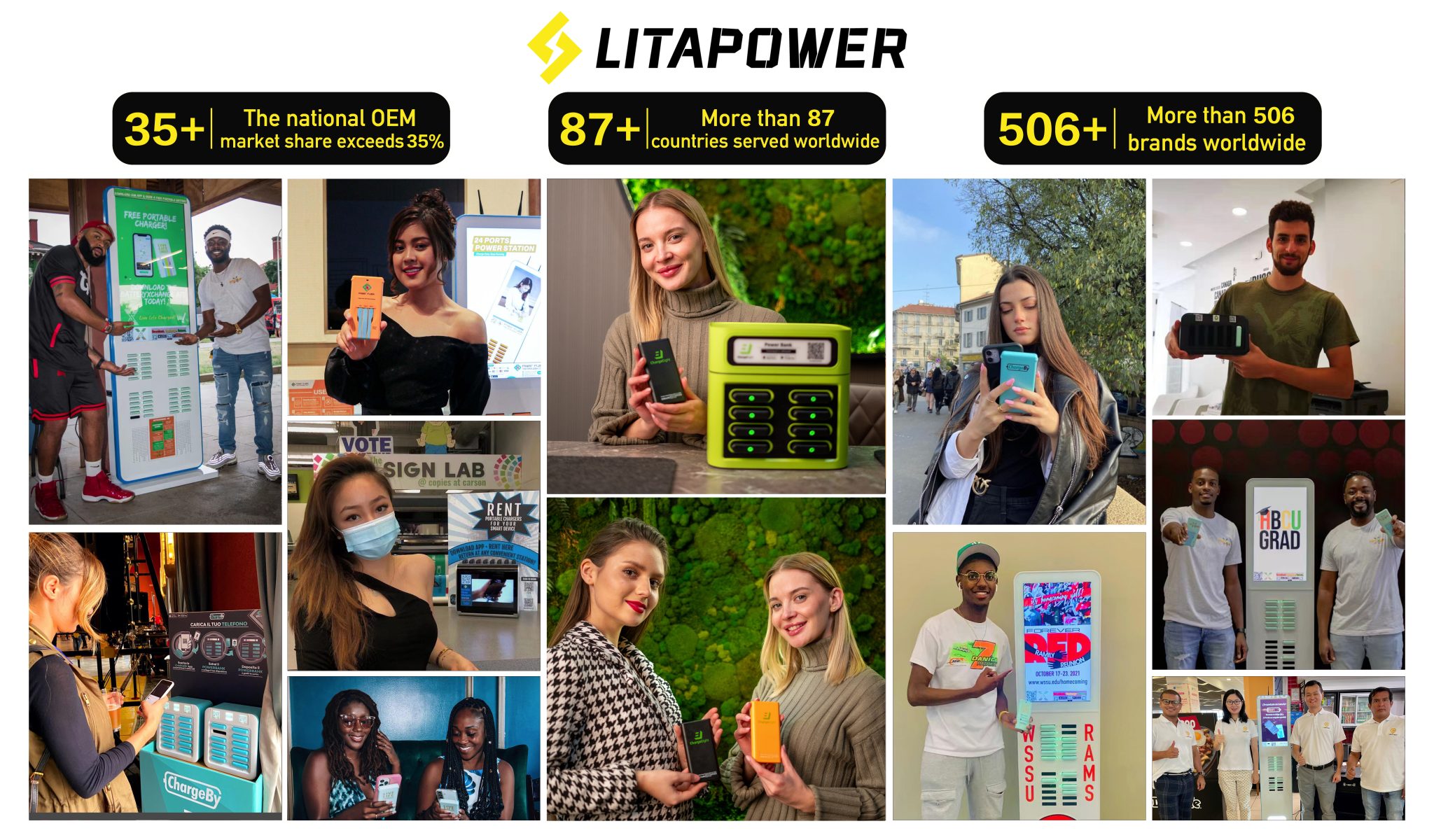
Zhongdian Hexin Litapower provides overseas brands with shared power bank software, hardware solutions, and OEM private-label customization services. Based on its experience with shared power bank projects in the Middle East, the initial Israeli deployment can begin in Tel Aviv and Jerusalem, using 8-slot cabinets at locations with strong evening traffic and shopping mall footfall. By combining venue management, backend data analysis, and dynamic pricing, operators can improve device utilization. The estimated project payback period is approximately 4–8 months.
FAQ
Q1. How large is the shared power bank market in Israel?
The potential of Israel’s shared power bank market can be assessed through tourism traffic, mobile internet access, and digital consumption. で 2025, Israel received 1.34 million inbound visitors and generated USD 3.188 billion in tourism revenue (Israel Central Bureau of Statistics, 2025). The country had 8.72 million internet users, with an internet penetration rate of 91.3% (DataReportal, 2025), and 10.4 million mobile connections. Tel Aviv Port also attracts approximately 4.3 million visitors annually (Bein Harim Tours, 2026), providing potential rental demand across tourism, dining, and leisure locations.
Q2. What certifications or registrations are required to deploy shared power banks in Israel?
Deploying shared power banks in Israel requires particular attention to SII battery safety standards and wireless equipment type approval from the Ministry of Communications (MoC). Power banks are subject to SI 62133 Part 1/2, which became mandatory on May 28, 2022 (Intertek, 2022). Type approval for wireless communication modules takes approximately 8–9 weeks, and certificates are valid for two years (FGX, 2026). Since January 2025, Israel has implemented reforms recognizing qualifying European-compliant products. Eligible CE-certified products may satisfy certain Israeli standards requirements, but this does not exempt wireless equipment from MoC approval.
Q3. What payment methods do local residents and tourists use to rent shared power banks in Israel?
Local users in Israel can use digital wallets such as Bit and PayBox, as well as bank cards and mobile payment methods such as Apple Pay. According to the Bank of Israel’s Banking Supervision Department, 47% of Israelis used digital wallets weekly in 2025. Digital wallet transaction value reached approximately ILS 98 billion, up 44.9% year on year, accounting for more than 41% of in-store card spending (Bank of Israel, Banking Supervision Department, 2025). International visitors can also pay through services such as Apple Pay linked to overseas Visa and Mastercard cards.
Q4. How can investors build their own shared power bank brand in Israel?
Many local entrepreneurs and investors in Israel use China’s supply chain for OEM private-label customization, importing equipment and operating it under their own local brands with the support of Chinese SaaS systems. Zhongdian Hexin Litapower serves shared power bank customers in 162 countries and regions worldwide, with more than 800 partner brands. By combining their own brand, rental system, and equipment, operators can establish an independent shared power bank business and retain control over local operations and revenue.
Q5. How long does it take to recover the investment in a shared power bank project in Israel?
Based on Zhongdian Hexin Litapower’s experience with shared power bank projects in the Middle East, an Israeli project deploying 8-slot cabinets in Tel Aviv and Jerusalem has an estimated payback period of approximately 4–8 months. Actual operating returns depend on venue traffic, device usage frequency, rental pricing, and venue partnership terms.
References
Israel population, internet users, and mobile connections in 2025 (DataReportal, 2025)
https://www.datareportal.com/reports/digital-2026-israel
Israel international visitor arrivals in 2025 (Israel Central Bureau of Statistics, 2025)
https://israel.fm/business/israel-sees-60-increase-in-tourist-arrivals-in-2025/
Israel tourism revenue in 2025 (CEIC, 2025)
https://www.ceicdata.com/zh-hans/israel/tourism-income-and-expenditure/tourism-income
Digital wallet usage and cash payments in Israel in 2025 (Bank of Israel, Banking Supervision Department, 2025)
https://www.wireisrael.com/news/digital-wallets-cash-bank-12
Judicial ruling on commercial occupation permits for public spaces in Tel Aviv (Chinese Headlines Israel, 2025)
https://www.52hrtt.com/sa/n/w/info/A1792994154922
Tel Aviv Light Rail Red Line passenger traffic (Chinese Embassy in Israel, 2025)
https://il.china-embassy.gov.cn/dsxx/dshd/202502/t20250206_11549731.htm