 レンタルパワーバンク,共有パワーバンクメーカー
Chile is one of the most economically stable and digitally developed countries in Latin America, with strong consumer spending power, a well-established credit system, and high acceptance of rental services. Tourism continues to drive offline consumption across hotels, レストラン, shopping, transportation, and entertainment. With frequent outdoor travel and smartphone use, demand for emergency charging is stable and essential. This makes the Chile phone charging station market suitable for overseas investors looking to enter the market with relatively low investment and develop a long-term business.
I. Background of the Phone Charging Station Market in Chile
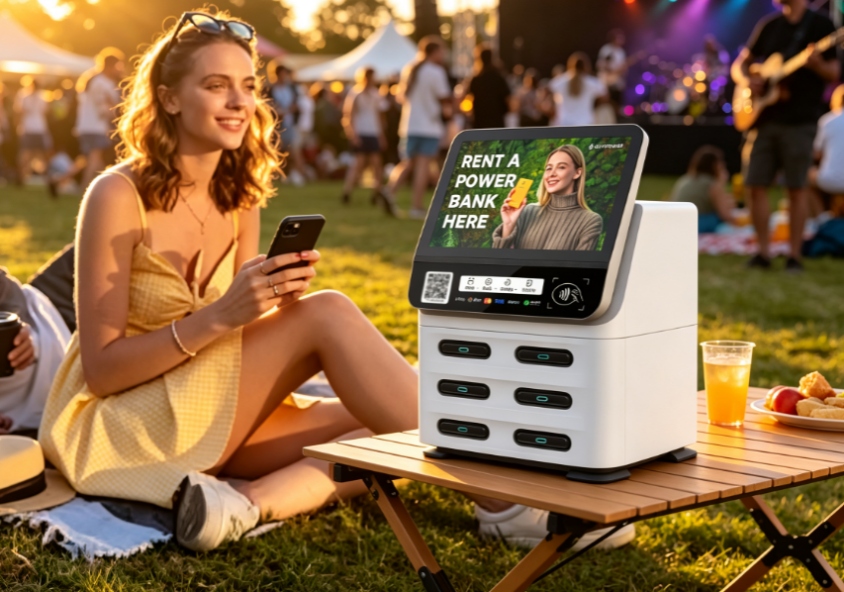
The Chile phone charging station market can focus on three major areas: tourism, urban commerce, and outdoor activities. Tourists frequently use their smartphones while traveling. When their battery runs low, a phone charging station can provide a convenient solution through QR-code rental, portable charging, and nearby returns.
Chile’s tourism scenarios have distinctive regional characteristics. In Santiago, commercial districts, ショッピングセンター, 空港, and transportation hubs are suitable for urban phone charging station deployment. In tourism regions such as the Atacama Desert and Patagonia, as well as ski resorts and national parks, operators can deploy phone charging stations in hotels, visitor centers, レストラン, and leisure venues.
For investors, these diverse scenarios provide multiple opportunities to build a localized phone charging station network and expand coverage according to regional tourism and consumer flows.
II. How to Develop a Phone Charging Station Business in Chile?
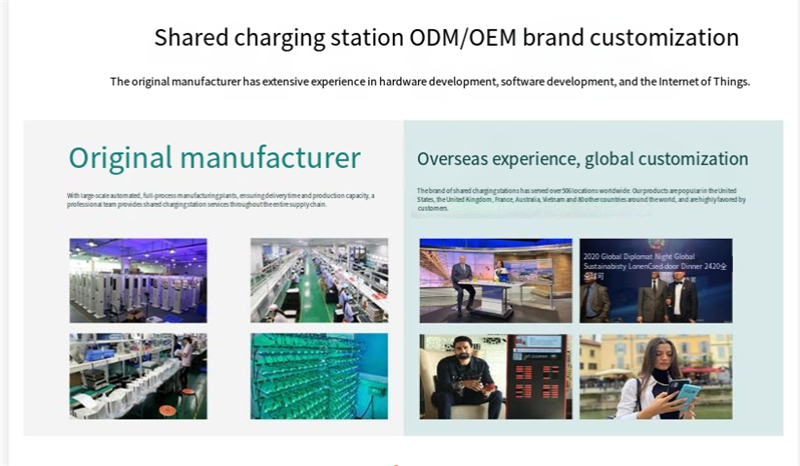
Litapower, the overseas brand of Zhongdian Hexin’s shared power bank factory, focuses on the Americas market and provides partners with phone charging station OEM/private-label customization, software and hardware solutions, pricing standards, and operations management training. These services help partners quickly build their own localized brand and establish a phone charging station business in Chile.
For operators developing a phone charging station for business, equipment, payment methods, software, and location deployment should all be adapted to local market requirements.
Payment Integration:
The phone charging station system can be adapted to bank cards, QR payments, and other local payment methods according to the Chilean market. By designing rental and payment processes that match local user habits, operators can provide a more convenient charging experience for both residents and tourists.
Market Compliance:
Chile implements mandatory certification and Sello SEC labeling requirements for regulated electrical products. A phone charging station project should therefore prepare product documentation, certification support, and relevant compliance materials. The specific equipment model should be reviewed to confirm whether it falls under mandatory SEC certification requirements before market deployment.
Location Deployment:
Phone charging stations can be prioritized for airports, 交通ハブ, ショッピングセンター, commercial districts, tourist attractions, ホテル, レストラン, カフェ, バー, and outdoor tourism locations. Operators can use backend data to analyze rental frequency and location performance, continuously optimize phone charging station deployment, and gradually expand the local network.
For different scenarios, operators can also consider a portable charger station or phone charger vending machine model. By combining suitable hardware, localized payment integration, software management, and operational support, a Chile phone charging station project can gradually expand across high-traffic commercial and tourism locations.