 Penyewaan bank daya,Produsen bank daya bersama
Rwanda’s digital economy is growing rapidly, supported by continuous improvements in local digital infrastructure. With extensive 4G coverage and steadily increasing internet penetration, smartphone usage continues to rise year by year. Citizens rely heavily on mobile devices for social networking, commuting, and daily consumption. This creates a constant demand for on-the-go charging, making the Rwanda shared power bank market a key tool for offline traffic monetization.
Rwanda is actively building a digital-first development strategy. Offline commercial and tourism scenes are expanding, but local charging infrastructure remains scarce, leaving plenty of market gaps with minimal competition. Entering the Rwanda shared power bank market allows operators to capture digital economy growth while leveraging mature African shared power bank operational models for low-cost deployment and stable long-term profitability.
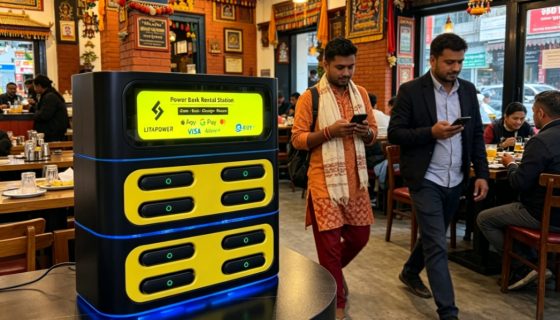
I. Market Structure and Revenue Estimation
1. High-Value Scenario Recommendations
Selecting the right locations is crucial to maximize revenue and shorten the payback period for Rwanda shared power bank operations. Based on the country’s digital economy and offline business patterns, three high-value scenario types should be prioritized:
- Kigali’s core business districts: High foot traffic and frequent device usage.
- Popular tourist attractions: Concentration of international visitors and young consumers, resulting in high rental frequency.
- Other high-demand locations: Shopping centers, event venues, and entertainment spots with predictable and repeated usage.
2. Investment and Payback Analysis
Rwanda shared power bank projects are light-asset, low-investment ventures with minimal overhead. There are no high rental, labor, or operational costs, only the cost of purchasing devices. This provides an excellent investment-to-return ratio and very low risk.
- High-traffic scenario revenue: Tourist sites, transport hubs, and central commercial areas yield 2–3 rentals per day per device, generating $70–100 monthly revenue per unit.
- Standard scenario revenue: Restaurants, hotels, and community convenience stores see 1–2 rentals per day, producing $50–70 monthly revenue per unit.
The average payback period across all scenarios is estimated at 4–6 months. Devices have a long operational lifespan with minimal additional costs, ensuring sustained pure profit, which outperforms most other African shared power bank projects.
3. Revenue Models and Multi-Channel Income
The Rwanda shared power bank business model is diversified to match local market conditions.
- Core revenue: QR-code-based device rentals, driven by constant charging demand.
- Light-asset cooperation: Free-device placement and revenue-sharing model, securing premium locations at low cost and reducing investment risk.
- Advertising revenue: On-device advertising can generate additional income from local small businesses, further boosting overall profitability.
II. Litapower Shared Power Bank Overseas Brand
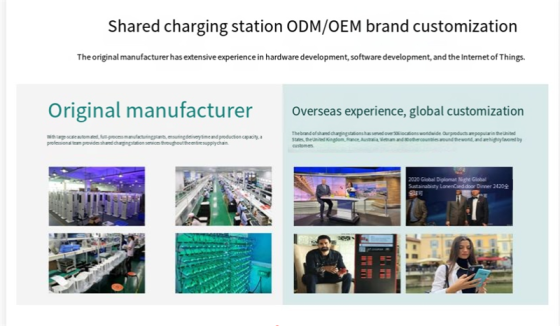
Litapower is a leading overseas shared power bank brand, specializing in the African market. It provides integrated hardware and software solutions, as well as custom services, enabling entrepreneurs to quickly launch Rwanda shared power bank projects. Litapower ensures compliance, efficient operations, and stable revenue streams, helping operators capture the full potential of Rwanda’s digital economy.