Many investors worry about policies and compliance before entering the European market. Key concerns cover data security, user privacy and cross-border payment rules. Some entrepreneurs face customs clearance failures, fines or service shutdowns due to unfamiliar local laws.
Europe adopts the world’s strictest compliance standards and complete supervision systems. Its rules are clear and unified. Proper compliance on data and devices greatly eases deployment for shared power banks. The market features mild competition and stable user payment willingness, making it a valuable overseas business track.
I. European Legal Compliance and Market Entry Strategies
1. Legal Compliance: Company Registration & Policy Rules
Legitimate business registration is the first step to launch Shared Power Banks Europe. Unlike Southeast Asia, EU countries require formal business entities for shared device operations. You can register a local company or cooperate with qualified local partners. Unauthorized operation will lead to penalties and service suspension.
EU member states follow unified basic operation rules with no hidden barriers. Minor differences exist in taxation and venue filing across countries. Operators must abide by local commercial regulations. Keep devices away from unauthorized public areas and complete tax declaration properly for Shared Power Banks Europe.
2. GDPR and Core Data Compliance Rules
GDPR is the strictest data protection regulation in Europe. All services for EU users must follow its rules. Violations may lead to heavy fines up to tens of millions of euros. User device records, operation logs and payment data generated during rental are all under GDPR supervision.
Three core requirements must be observed. Collect only necessary data and avoid excessive privacy acquisition. Deploy local European servers to keep user data within the EU and prevent unauthorized cross-border data transfer. Grant users rights to check and delete personal data, and keep complete compliance logs.
3. Market Entry: Certifications and Technical Requirements
Device certifications and system technology are major entry barriers for new operators. All hardware for Shared Power Banks Europe must pass mandatory EU certifications including CE, LVD and ERP. Uncertified devices cannot clear customs or start operation. These certifications guarantee product safety, energy efficiency and overall quality.
II. Litapower: Professional Overseas Brand for Shared Power Banks
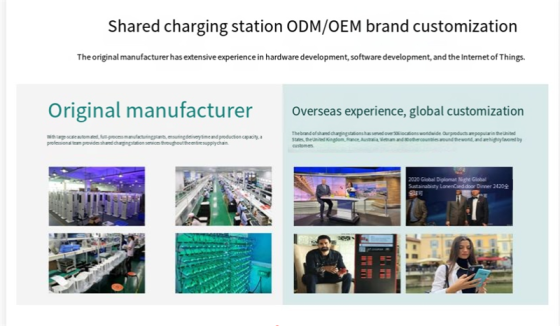
Litapower has rich experience in the European market. We are fully familiar with local policies, GDPR rules and device entry requirements. Our integrated software and hardware solutions solve common difficulties in deployment, compliance and daily operation for Shared Power Banks Europe.
The system supports multi-currency settlement and local payment access. Local European server deployment fully complies with GDPR standards. We help partners launch projects quickly and run business legally, stably and sustainably. It is easy to seize great opportunities in Europe’s blue ocean sharing economy.
 Alquiler de power bank,Fabricante de bancos de energía compartidos