 Alquiler de power bank,Fabricante de bancos de energía compartidos
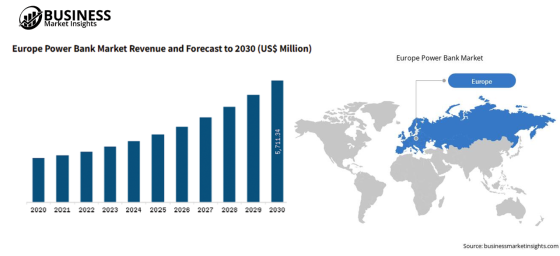
En los últimos años, Russia’s portable charger sharing market has grown rapidly, becoming one of the fastest-growing segments of the sharing economy. Driven by the widespread adoption of digital payments, increasing reliance on smart devices, and rising demand for urban mobility and tourism, the Russian portable charger sharing market is experiencing multidimensional growth, attracting increasing attention from domestic and international companies.
I. Fundamentals of the Russian Market: High Digitalization, High Mobile Payment Adoption, and High Tourism Traffic
1. High Digitalization: Widespread Adoption of Smartphones and Mobile Networks
Smartphone penetration in Russia has exceeded 85%, with nearly every young person owning a smart device. Mobile network infrastructure is steadily improving, with 4G coverage at approximately 91%, and 5G deployment already underway in Moscow, St. Petersburg, and select second-tier cities.
In Russia, smartphones serve not only as communication tools but also as central hubs for payments, navegación, entertainment, and social media. The frequent use of mobile phones by urban residents and tourists has made “battery anxiety” a widespread phenomenon, creating a natural market demand for portable charger sharing services.
2. High Payment Maturity: Mobile Wallets and Digital Payments
Mobile payments are gradually becoming mainstream in Russia. User acceptance of Apple Pay, Google Pay, and local wallets such as Mir Pay and SberPay continues to rise. In 2025, contactless payment transaction volumes exceeded 700 billion rubles, representing year-over-year growth of more than 20%, indicating that Russian users have become accustomed to using their mobile phones for daily purchases.
For shared power bank operators, this means the payment barrier is virtually non-existent. Users can easily scan a QR code to rent a device and have payments settled automatically, thereby increasing service utilization and repeat purchase rates.
3. High Tourism Traffic: Diverse Demands in Cities and Tourist Attractions
Cities such as Moscow, St. Petersburg, Sochi, and Vladivostok welcome millions of domestic and international tourists annually. Tourists rely heavily on charging during long-distance travel, city sightseeing, and business activities—particularly for smartphone photography, navegación, and social media sharing—which drives the frequency of shared power bank usage.
II. Litapower’s Expansion and Advantages in Russia
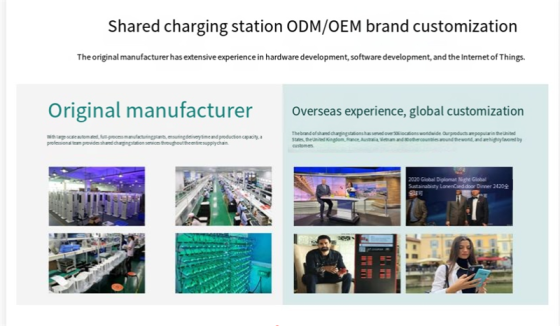
In Russia’s sharing economy market, the Litapower brand—a subsidiary of China Electric Power Core—is steadily entering the local market. Leveraging mature software and hardware systems, stable and reliable product quality, and extensive experience in overseas market operations, Litapower has successfully integrated with Russia’s mainstream mobile payment platforms. By quickly adapting to local consumer habits and the business environment, Litapower has established an initial presence in high-traffic locations such as airports, Centros comerciales, and co-working spaces, providing users with efficient and convenient charging services while building local brand awareness.
The Russian shared power bank market is projected to reach 1.8 billion rubles in transaction volume by 2025, representing a year-over-year growth of 35%. Over the next three years, the market is expected to maintain rapid growth as coverage expands into second-tier cities and tourist attractions. Meanwhile, shared power banks are gradually evolving from mere convenience tools into an integral part of urban digital infrastructure, offering long-term strategic value to businesses.