 Powerbank zum Verleih,Hersteller von gemeinsam genutzten Powerbanks
Southeast Asia is an important overseas market for shared power banks. With developed tourism, high population density, widespread mobile internet use, and diverse outdoor mobile scenarios, the region has strong demand for convenient on-the-go charging. Overall market coverage remains relatively low, while the number of established brands is still limited in some markets, resulting in relatively lower competitive pressure. With the characteristics of low investment, high return potential, and easy deployment, Southeast Asia has become a preferred market for many overseas business teams.
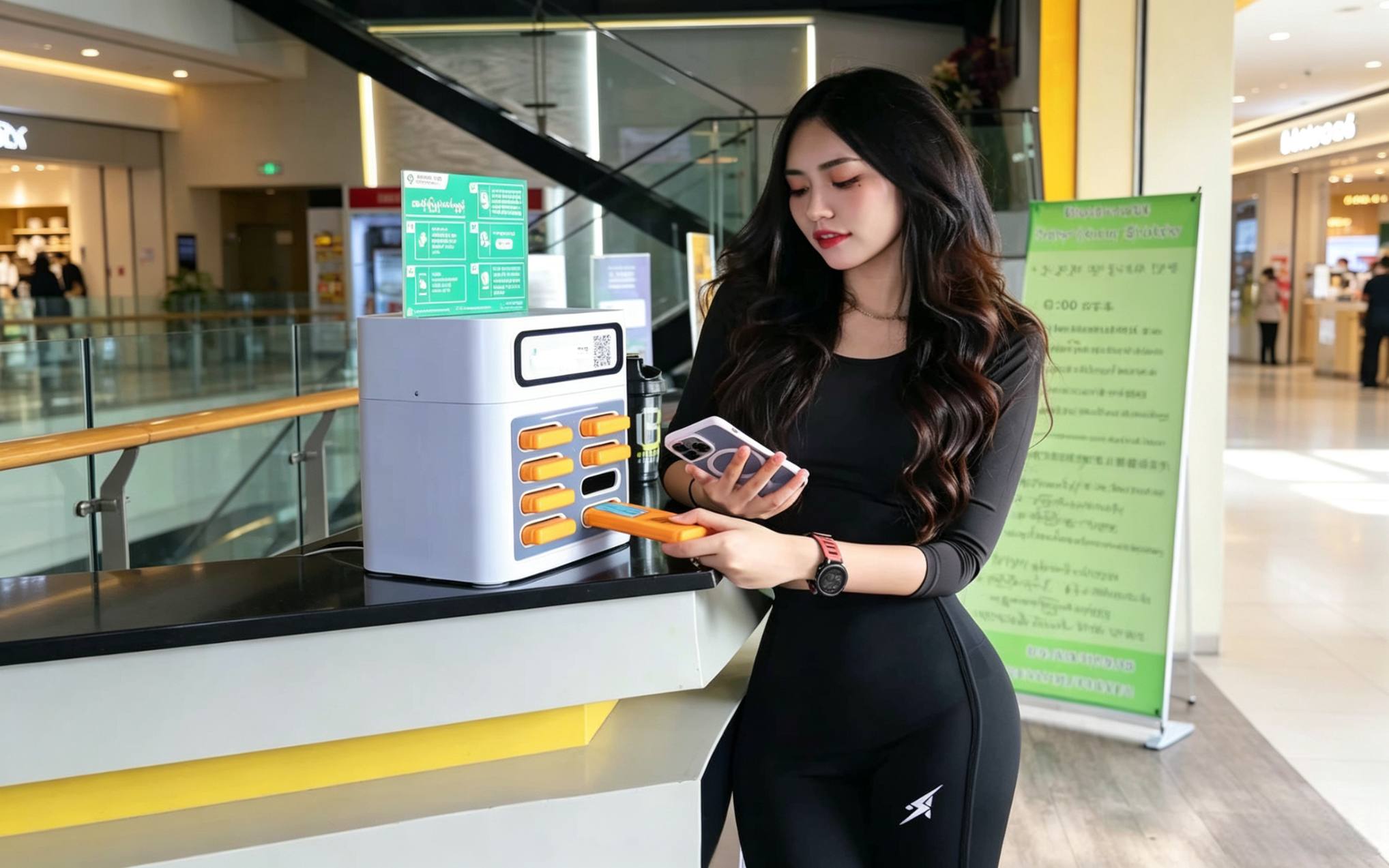
I. What Are the Advantages of the Southeast Asian Shared Power Bank Market?
Southeast Asia includes major tourism markets such as Thailand, Vietnam, Indonesia, Malaysia, and the Philippines, with diverse scenarios including airports, Einkaufszentren, Hotels, Sehenswürdigkeiten, Restaurants, Gitter, Nachtclubs, and outdoor activities. Tourists rely on their smartphones for navigation, payments, ticket purchases, photography, and social communication, while shared power banks can meet users’ charging needs whenever and wherever they need them.
- Strong Charging Demand:
Tourism and outdoor consumption scenarios are highly active across Southeast Asia, and tourists and younger consumers rely heavily on smartphones. In particular, long stays at tourist attractions, nighttime entertainment venues, commercial districts, and transportation hubs can further increase demand for temporary charging services.
Southeast Asia shared power banks can be deployed according to different scenarios, creating opportunities to develop the Southeast Asian shared power bank market.
- Relatively Low Market Coverage:

Compared with China’s mature shared power bank market, different countries and cities in Southeast Asia are at different stages of development. In some markets, equipment coverage is still expanding, creating opportunities for new brands to enter and establish their presence.
- Relatively Lower Competitive Pressure:
Southeast Asia consists of many countries with significant differences in consumer habits. Localized operations need to address local payment methods, pricing, and usage scenarios. For service providers with hardware and software customization and localized operational capabilities, differentiated branding and high-quality locations can help establish market competitiveness.
II. How to Succeed in the Southeast Asian Market? Key Considerations
Core Challenge: How to Achieve Localized Deployment?
Local Payments: According to the target country, operators should integrate local e-wallets, QR codes, and mobile payment methods while supporting international payment methods such as Visa and Mastercard. Digital payment infrastructure in Southeast Asia continues to improve, and eight ASEAN member states have deployed national-level QR payment systems.
Location Partnerships: For regular locations, operators can cooperate with local businesses. For key locations such as airports, railway stations, and large shopping malls, resources can be developed through local partners.
Market Compliance: Based on the product certification, data protection, payment, and business operation requirements of different countries, compliance planning should be completed in advance.
Hardware Equipment: Some areas of Southeast Asia experience high temperatures, high humidity, and frequent rainfall. Equipment therefore needs good water resistance, moisture resistance, and heat resistance to maintain stable performance during long-term outdoor use and high-frequency operation.
Key to Success: Core Strategies
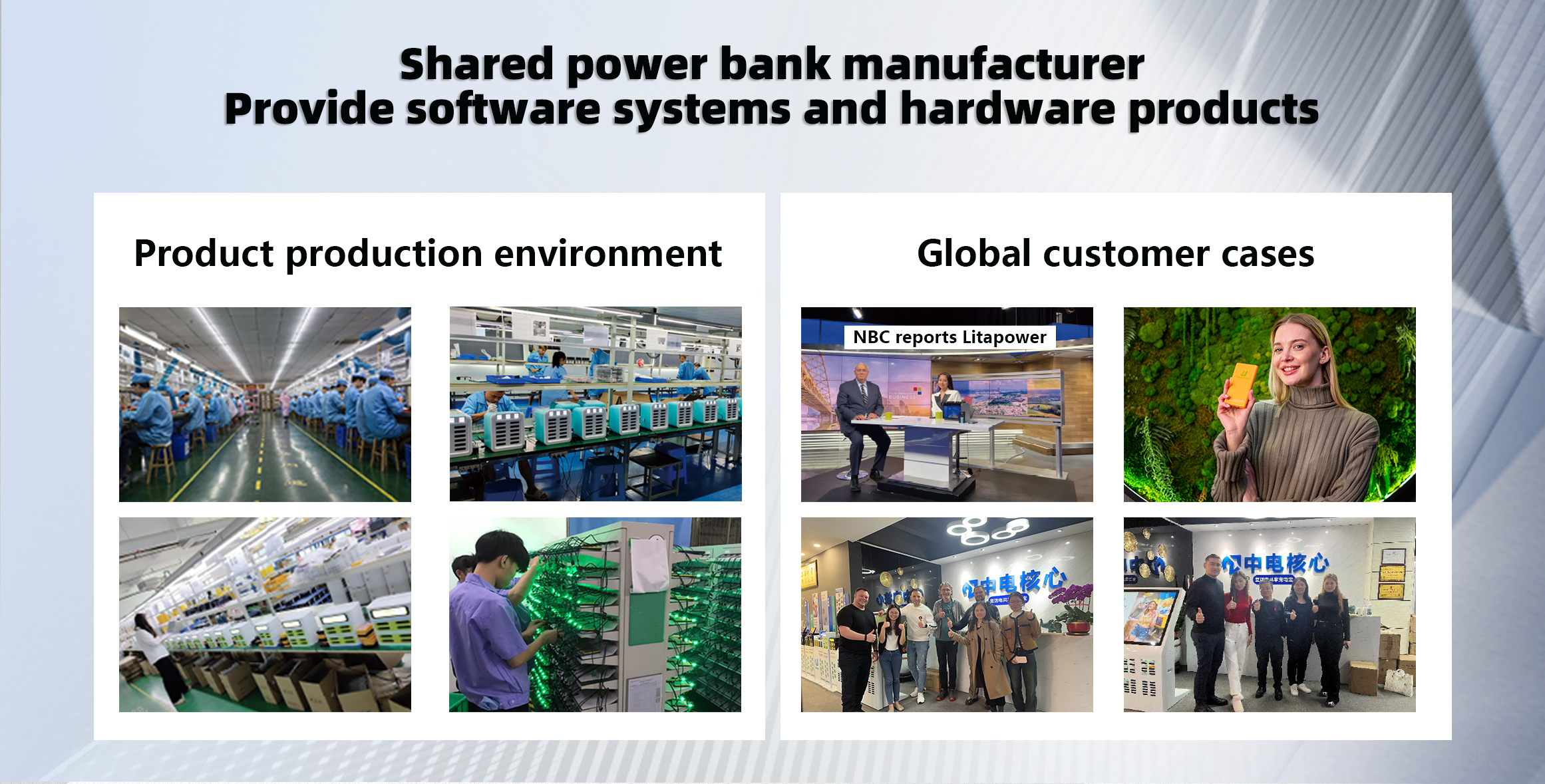
Choosing the right service provider is extremely important. Litpower, the overseas brand of Zhongdian Hexin’s shared power bank factory, is a shared power bank solution provider offering charging software, hardware solutions, and OEM/private-label customization services for Southeast Asian clients, helping partners achieve rapid project deployment and stable operations.
(1) Deployment Scale:
If too few units are deployed, operating costs can remain high and revenue sharing can become difficult. It is recommended to start with several hundred units to achieve large-scale regional coverage, effectively spread operating costs, and increase the overall profit potential.
(2) Mainstream Markets:
Operators should enter mainstream locations in their target countries, including airports, railway stations, large shopping malls, and tourist attractions, as well as high-traffic bars, Nachtclubs, and KTV venues. Operators can also cooperate with local brands to strengthen brand credibility.
When evaluating locations, key factors include foot traffic, whether the average dwell time exceeds 0.5 Stunden, the proportion of younger users, and business hours. Nighttime scenarios deserve particular attention.
(3) Brand Promotion:
To increase brand awareness, operators can use influencer partnerships, short videos, posters, events, sports competitions, football matches, music festivals, and other promotional activities to strengthen brand influence and increase users’ willingness to rent.
(4) User Operations:
Operators can attract users through low-price customer acquisition campaigns, holiday promotions, and dynamic pricing during events. Membership and other value-added services can also be used to improve user retention and continuously grow the user base.
For operators developing a phone charging station for business in Southeast Asia, these strategies can be combined with a portable charger station or phone charger vending machine model to create a localized charging service network across high-traffic locations.