 Powerbank zum Verleih,Hersteller von gemeinsam genutzten Powerbanks
Introduction: Why Does Saudi Arabia Have Huge Potential for Shared Power Banks?
Saudi Arabia is continuously expanding its tourism and entertainment industries. International tourists, urban residents, and large commercial venues are collectively driving demand for mobile device charging services. For investors planning to enter the Middle Eastern market, the key considerations go beyond whether local demand exists. They must also evaluate whether equipment can clear customs smoothly and whether payment methods can accommodate both local residents and international visitors.
Saudi Arabia is a promising market. According to the Saudi Ministry of Tourism’s 2025 Tourism Statistics Annual Report, the country welcomed 29.3 million inbound tourists in 2025, with inbound tourism expenditure reaching SAR 176.6 billion (Saudi Ministry of Tourism, 2025). The country also recorded 48.7 million mobile connections, equivalent to 140% of its population (DataReportal, 2025 data).
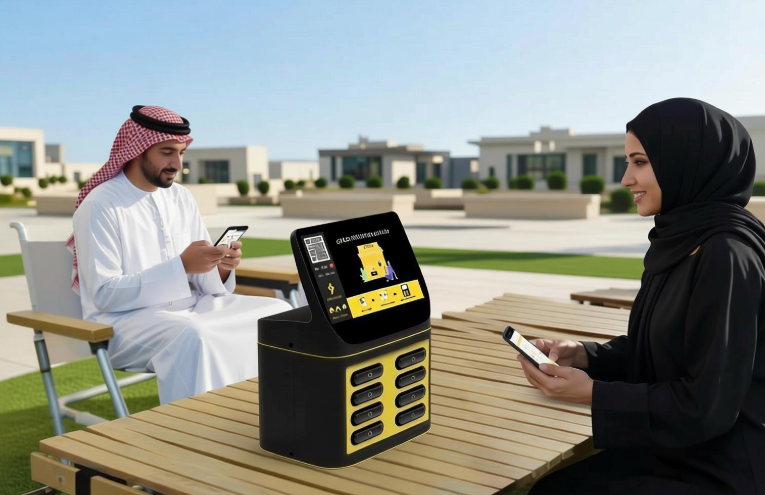
This article focuses on Saudi Arabia and examines the implementation opportunities for shared power bank projects from four perspectives: three key market advantages, SASO and SABER certification, the local payment ecosystem, and business scenarios in Jeddah and Riyadh.
I. Saudi Arabia Shared Power Bank Market: Three Key Advantages
Saudi Arabia’s market opportunities mainly come from tourism traffic, mobile device penetration, and the widespread adoption of digital payments. Together, these three factors support the commercial development of shared power bank services.
Advantage 1 | Growing Tourism Traffic
In 2025, Saudi Arabia welcomed 29.3 million inbound tourists und 93.3 million domestic tourists, with total tourism expenditure reaching SAR 304 billion (Saudi Ministry of Tourism, 2025).
Airports, historical districts, waterfront leisure areas, and large entertainment projects create consumption scenarios where visitors spend extended periods of time. Their demand for mobile navigation, photography, social media, and digital payments also increases during these activities.
Advantage 2 | Widespread Mobile Device and Internet Penetration
Saudi Arabia has a population of approximately 34.7 million, with 34.4 million internet users and an internet penetration rate of 99.0%. Mobile connections have reached 48.7 million (DataReportal, 2025 data).
The number of mobile connections exceeds the country’s population, demonstrating how deeply smartphones are integrated into everyday life. Shared power bank operators can provide convenient on-demand charging services in shopping malls, Sehenswürdigkeiten, Verkehrsknotenpunkte, and other high-traffic locations.

Advantage 3 | A Mature Digital Payment Ecosystem
Electronic payments accounted for 85% of retail payments in Saudi Arabia, with 14.6 billion electronic transactions recorded throughout the year (Saudi Central Bank, SAMA, 2025).
The widespread adoption of electronic payments provides a solid foundation for unattended rental devices. Operators can design payment processes around local bank cards, mobile wallets, and international bank cards.
The combination of tourism traffic, mobile device penetration, and electronic payment infrastructure gives Saudi Arabia favorable conditions for developing shared power bank rental services.
II. Key City Market Analysis in Saudi Arabia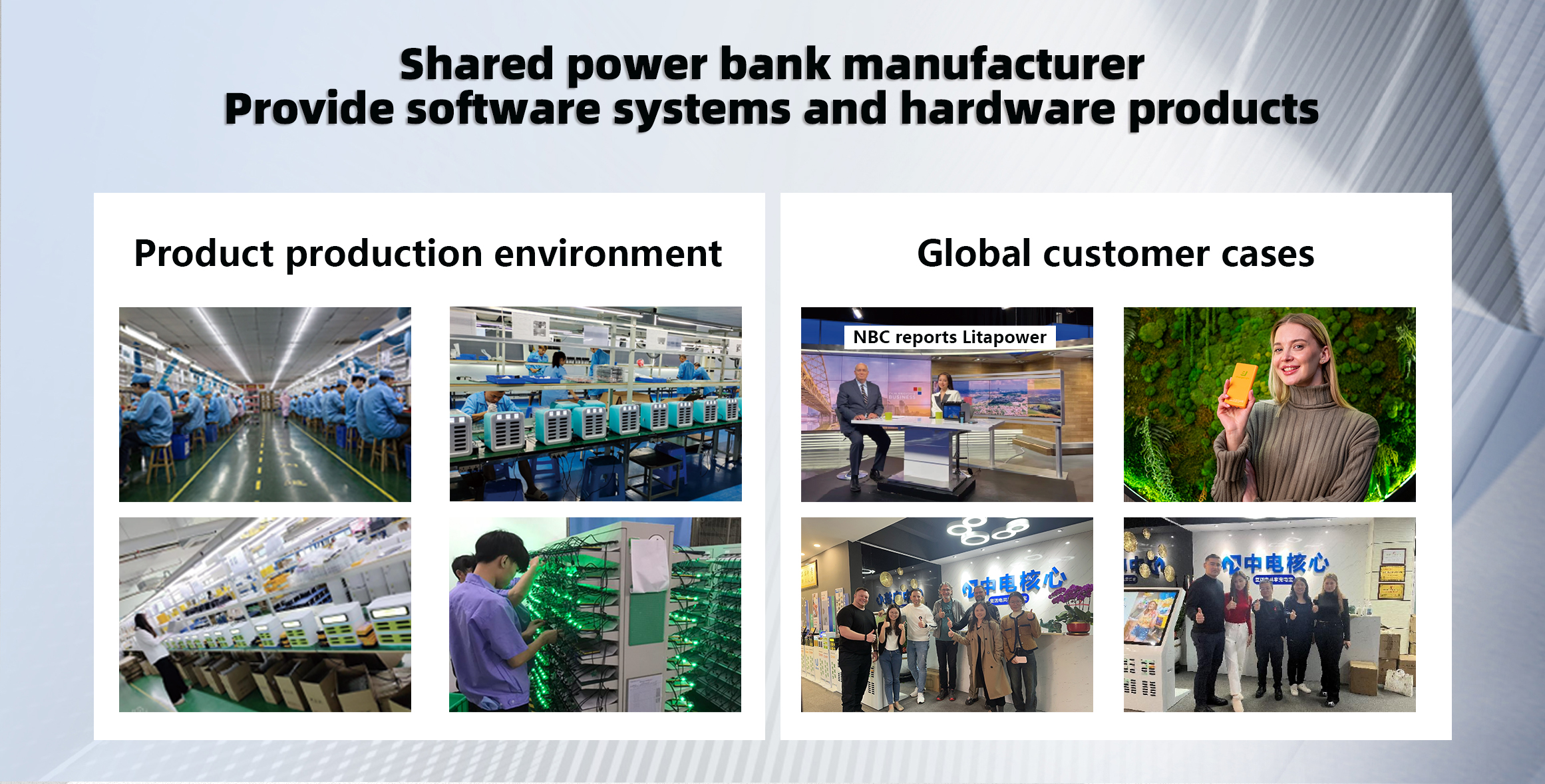
Shared power bank deployment in Saudi Arabia can target two main customer groups: tourism and leisure consumers, as well as commercial and entertainment consumers.
Jeddah connects Red Sea tourism, waterfront leisure, and historical districts, making it suitable for deployment in tourist and family-oriented consumption scenarios. Riyadh, meanwhile, is characterized by commercial spending and winter entertainment activities, making it suitable for serving local residents’ nighttime leisure and shopping needs.
In 2025, King Abdulaziz International Airport in Jeddah handled 53.5 million passengers, while King Khalid International Airport in Riyadh handled 40.8 million passengers (General Authority for Statistics, GASTAT, 2025).
2.1 Jeddah: Red Sea Gateway and Nighttime Tourism Consumption
Jeddah is an important gateway to Saudi Arabia’s Red Sea region. In 2025, King Abdulaziz International Airport handled 53.5 million passengers, representing a year-on-year increase of 9.0% (General Authority for Statistics, GASTAT, 2025).
Waterfront destinations, historical districts, and large-scale entertainment events create different visitor scenarios, making tourism and leisure venues suitable starting points for shared power bank deployment.
(1) Jeddah Corniche + Al Balad Historical District
Jeddah Corniche is accessible throughout the day, with peak leisure activity generally beginning after 18:00. Families and tourists gather around waterfront restaurants, making nearby dining venues and rest areas suitable locations for shared power bank rental services (Saudi Tourism Authority, 2026).
Al Balad is a UNESCO World Heritage Site, with shops generally operating between 10:00 und 23:00. Pedestrian shopping and nighttime consumption are particularly concentrated in the evening. Visitors may need temporary charging services while exploring the district, shopping, and dining (UNESCO, inscribed in 2014; operating in 2026).
(2) Red Sea Mall + Jeddah Season Event Areas
Red Sea Mall generally operates between 10:00 und 24:00, with extended weekend hours until 01:00. Indoor shopping, dining, and family leisure activities encourage longer visitor stays. Shared power bank stations are suitable for mall entrances, restaurant areas, and resting spaces (Red Sea Mall official website, 2026).
Jeddah Season event areas operate seasonally, typically hosting activities between 18:00 und 01:00. Large crowds and extended visitor stays create opportunities for shared power bank deployment near event entrances, rest areas, and dining facilities (Saudi General Entertainment Authority, 2026).
(3) Deployment and Operations
Zhongdian Hexin’s overseas brand, Litapower, provides shared power bank software, hardware solutions, and OEM private-label customization services for international markets.
Based on its shared power bank project experience in the Middle East, the initial Jeddah deployment focuses on 8-slot stations across locations such as Jeddah Corniche, Al Balad, Red Sea Mall, and Jeddah Season.
Operational strategies focus on venue management, dynamic pricing, and membership promotions. Equipment deployment and operating strategies are adjusted according to nighttime waterfront leisure demand and seasonal entertainment activities.
The estimated investment payback period is approximately 5–8 months.
2.2 Riyadh: Commercial Consumption and Winter Entertainment Hub
Airport traffic and entertainment consumption scenarios in Riyadh jointly support the deployment of commercial shared power bank services.
In 2025, King Khalid International Airport handled 40.8 million passengers, representing a year-on-year increase of 8.7% (General Authority for Statistics, GASTAT, 2025).
The Riyadh winter entertainment season generally runs from November to March of the following year. Outdoor entertainment venues and large commercial spaces create substantial nighttime consumption opportunities.
(1) Boulevard City + Diriyah
Boulevard City generally operates during the winter season from 16:00 An 02:00. Entertainment, dining, and nighttime activities are concentrated during these hours, making its main entrances, restaurant areas, and resting spaces suitable for shared power bank stations (Boulevard City official website, 2026).
Diriyah’s winter attraction opening hours are approximately 16:00 An 24:00. Combining cultural tourism with family leisure activities, the area attracts visitors who may need temporary charging services while sightseeing, dining, and participating in events (Diriyah Gate Development Authority, 2026).
(2) Kingdom Centre + Riyadh Park
Kingdom Centre generally operates between 10:00 und 23:00. Combining landmark observation experiences with shopping activities, it is suitable for shared power bank deployment near mall entrances, observation areas, and restaurant routes (Kingdom Centre official website, 2026).
Riyadh Park generally operates between 10:00 und 23:00. Family shopping, dining, and cinema activities create a comprehensive indoor leisure environment. Shared power bank stations can be placed near major mall entrances and restaurant rest areas (Riyadh Park official website, 2026).
(3) Deployment and Operations

Zhongdian Hexin’s overseas brand, Litapower, provides integrated shared power bank hardware solutions for the Riyadh project.
Based on its shared power bank project experience in the Middle East, the initial Riyadh deployment focuses on 8-slot stations across locations such as Boulevard City, Diriyah, Kingdom Centre, and Riyadh Park.
Station density is determined according to actual visitor traffic in entertainment districts, Einkaufszentren, and tourist attractions.
Operational strategies focus on backend data analysis, corporate membership promotions, and advertising space partnerships. Cooperation with shopping malls and entertainment venues helps improve equipment utilization.
The estimated investment payback period is approximately 4–6 months.
III. FAQ: Saudi Arabia Shared Power Bank Market
Q1. How large is the shared power bank market in Saudi Arabia?
The potential demand for shared power bank services in Saudi Arabia can be evaluated through three key indicators: tourism traffic, mobile connectivity, and digital payment adoption.
In 2025, Saudi Arabia welcomed 29.3 million inbound tourists und 93.3 million domestic tourists (Saudi Ministry of Tourism, 2025).
The country also recorded 48.7 million mobile connections, alongside 34.4 million internet users and an internet penetration rate of 99.0% (DataReportal, 2025 data).
Meanwhile, electronic payments accounted for 85% of retail payments (Saudi Central Bank, SAMA, 2025), providing a solid foundation for mobile-based shared power bank rentals and electronic payment collection.
Q2. What certifications or registrations are required to deploy shared power banks in Saudi Arabia?
The main requirements include SASO and SABER certification, as well as CST technical approval for wireless communication devices.
Portable power banks generally need to obtain a SABER Product Certificate of Conformity (PCoC). The estimated processing period is approximately 2–4 weeks, with costs ranging from USD 500–1,500 per model.
Each shipment also requires a Shipment Certificate of Conformity (SCoC), with an estimated processing period of 1–3 business days and costs of approximately USD 100–300 per shipment.
Equipment containing Bluetooth, Wi-Fi, or cellular communication modules may also require CST technical approval. The estimated approval period is approximately 4–8 weeks, with costs ranging from USD 1,000–2,500 per model (SASO/SABER process and testing organization guidelines and CST technical regulations, 2026).
Q3. What payment methods do Saudi residents and tourists use to rent shared power banks?
Local users in Saudi Arabia can use domestic payment methods such as mada bank cards und stc pay. Mobile wallet users can also pay through services such as Apple Pay.
In 2025, electronic payments accounted for 85% of retail payments, with 14.6 billion electronic transactions recorded throughout the year. The stc pay user base reached approximately 10 million (SAMA payment statistics and Invest Riyadh compilation, 2025).
International tourists can pay through international bank card networks such as Visa and Mastercard. Actual payment availability depends on the card issuer, wallet linking arrangements, and the supported payment terminals.
Q4. How can investors establish their own shared power bank brand in Saudi Arabia?
Local entrepreneurs and investors in Saudi Arabia can work with Chinese manufacturers through OEM private-label customization to establish their own brands and local operating systems.
Zhongdian Hexin’s overseas brand, Litapower, serves multiple international markets across Southeast Asia, the Middle East, and Europe. It provides shared power bank hardware, software systems, OEM brand customization services, and API integration solutions.
Partners can select equipment specifications, brand identities, and operating models according to local commercial scenarios, allowing them to operate their own shared power bank brands.
Q5. How long does it take to recover the investment in a shared power bank project in Saudi Arabia?
Based on Zhongdian Hexin Litapower’s shared power bank project experience in the Middle East, the estimated payback period for 8-slot stations is approximately 5–8 months in Jeddah und 4–6 months in Riyadh.
Jeddah’s opportunities mainly come from waterfront leisure areas, historical districts, and seasonal entertainment events, while Riyadh focuses more on entertainment complexes and large shopping malls.
The actual payback period depends on equipment procurement costs, venue revenue-sharing arrangements, rental prices, equipment utilization rates, and operating expenses.
References
- Saudi Arabia Population, Internet Users, and Mobile Connections (DataReportal, 2025 data)
https://datareportal.com/reports/digital-2026-saudi-arabia - Saudi Arabia 2025 Tourism Statistics (Saudi Ministry of Tourism, 2025)
https://www.spa.gov.sa/N2615174 - Retail Electronic Payments and mada Payment Data (Saudi Central Bank, SAMA, 2025)
https://barcoder.lumiverse.hr/docs/payments/SA/mada - Saudi Arabia Airport Passenger Traffic Statistics (General Authority for Statistics, GASTAT, 2025)
https://www.spa.gov.sa/fa/N2588698 - Saudi Arabia Battery and Electronic Product Certification Requirements (Testing Organization Guidelines, 2026)
https://www.gdestl.com/1315.html - Jeddah Corniche Tourism Information (Saudi Tourism Authority, 2026)
https://www.visitsaudi.com/en/jeddah