 تأجير بنك الطاقة,الشركة المصنعة لبنك الطاقة المشترك
In Bosnia and Herzegovina’s payment ecosystem, bank-led card payments remain the dominant method. BamCard serves as the local clearing hub, connecting the Visa and Mastercard networks. Meanwhile, mobile payments are rapidly catching up. The local wallet Lova Pay supports QR code payments and peer-to-peer transfers, while UniCredit Bank’s m-ba application has integrated QR code payment functionality. The Bosnia and Herzegovina shared power bank solution must be compatible with these three major payment channels to meet the full-scenario payment needs of local residents and cross-border tourists, enabling true localized deployment.
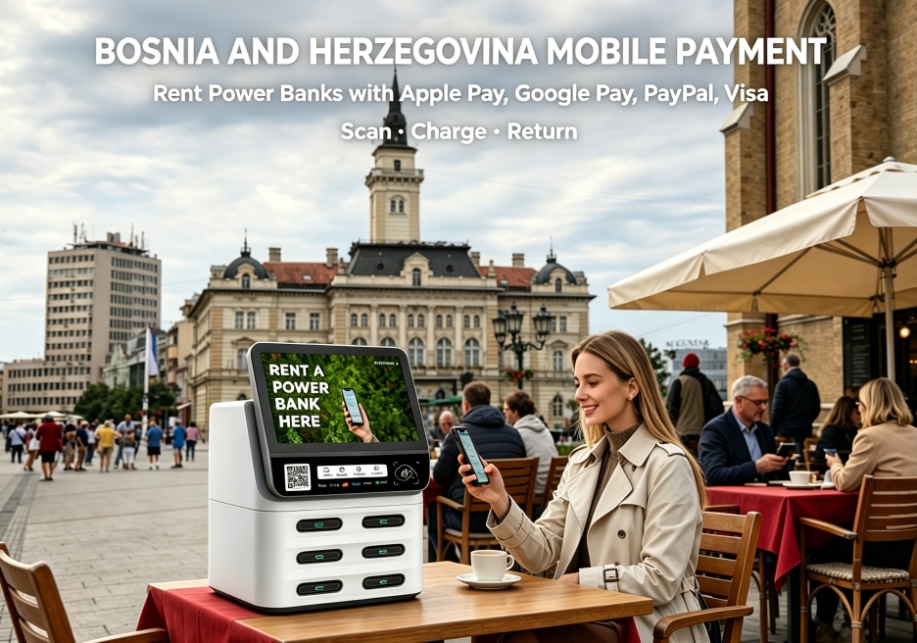
I. Payment Overview in Bosnia and Herzegovina
Cash and bank cards remain the primary methods of offline consumption in Bosnia and Herzegovina, while the penetration rate of local e-wallets is still relatively low. The mainstream payment methods include:
BamCard local bank card payments:
BamCard is the leading domestic debit card system in Bosnia and Herzegovina. It is widely supported by POS terminals in urban retail stores and is the preferred payment method for local residents in daily offline transactions.
Visa and Mastercard international card payments:
These international cards are widely accepted in supermarkets, الفنادق, and retail stores across the country. Contactless payments are rapidly becoming mainstream, making them ideal for small-value, high-frequency transactions.
UniCredit mobile banking:
The m-ba mobile application from UniCredit Bank is one of the few local banking tools that supports QR code payments for offline small-value transactions, providing an additional mobile payment option.
PayPal cross-border payments:
PayPal is widely used across Europe as a cross-border payment wallet, mainly serving inbound tourists and international business travelers.
II. Bosnia and Herzegovina Shared Power Bank Mobile Payment
Based on local consumer behavior and the characteristics of the tourism market, Bosnia and Herzegovina shared power bank services should build payment channels across two main categories to accurately match different user groups.
Local mobile payments:
Bosnia and Herzegovina shared power bank devices should prioritize integration with BamCard POS card payments, while also supporting UniCredit Bank QR code payments. In addition, Apple Pay contactless payments can be integrated to align with the local habit of card-based consumption. This setup is suitable for urban commercial districts, chain convenience stores, and other daily-use locations, ensuring stable and continuous local customer traffic.
International mobile payments:
For international tourists, Bosnia and Herzegovina shared power bank devices should support PayPal cross-border QR payments and accept Visa and Mastercard credit card payments. في نفس الوقت, Alipay and WeChat Pay cross-border payment channels can be enabled to solve the issue of users without local bank accounts. This configuration is especially suitable for tourist attractions, resorts, and hotel areas with high visitor density, significantly expanding the customer base of Bosnia and Herzegovina shared power bank services.
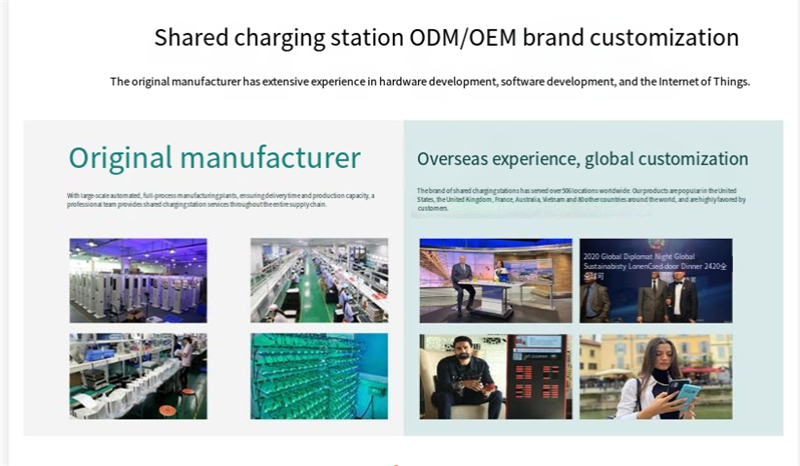
Zhongdian Hexin shared power bank factory provides Europe-customized hardware and software solutions, with completed integration of Bosnia and Herzegovina BamCard banking card payments, bank QR code payments, NFC contactless payments, and cross-border payment channels, along with independent software deployment. The company also offers OEM branding services and multi-model device support for full-scenario deployment, making it a high-quality provider for Bosnia and Herzegovina shared power bank market expansion.